Oil prices are tracking their steepest weekly increase since 2020, driven by escalating tensions in the Middle East and significant disruptions to shipping lanes. The fragile stability of global energy markets appears increasingly dictated by the volatile interplay between geopolitical conflict and supply chain anxieties.
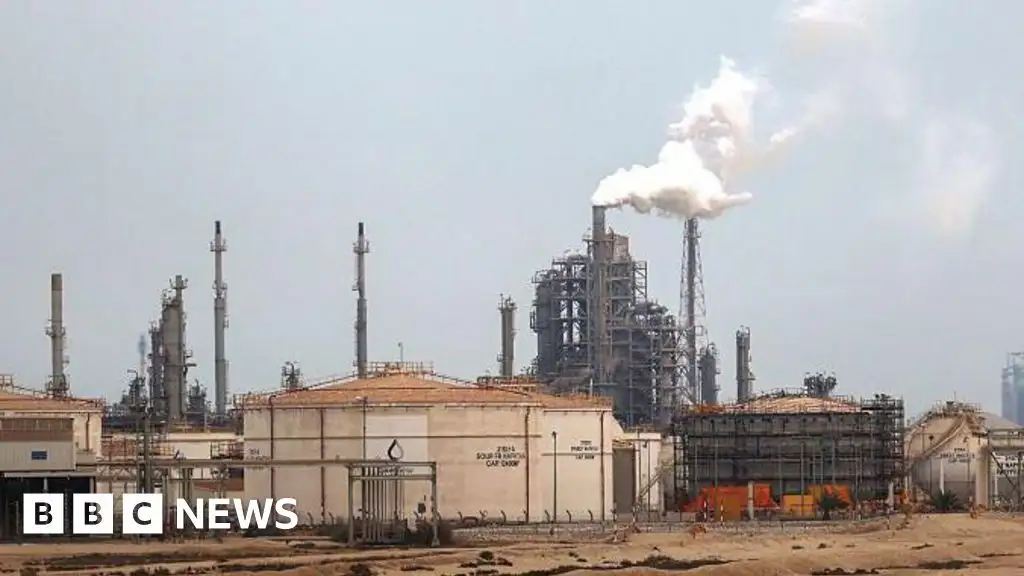
The Strait of Hormuz, a vital artery for global oil transport, faces severe disruptions, with Iran reportedly laying naval mines. This waterway normally carries about a fifth of the world's daily oil production.
Escalating Threats and Market Reactions
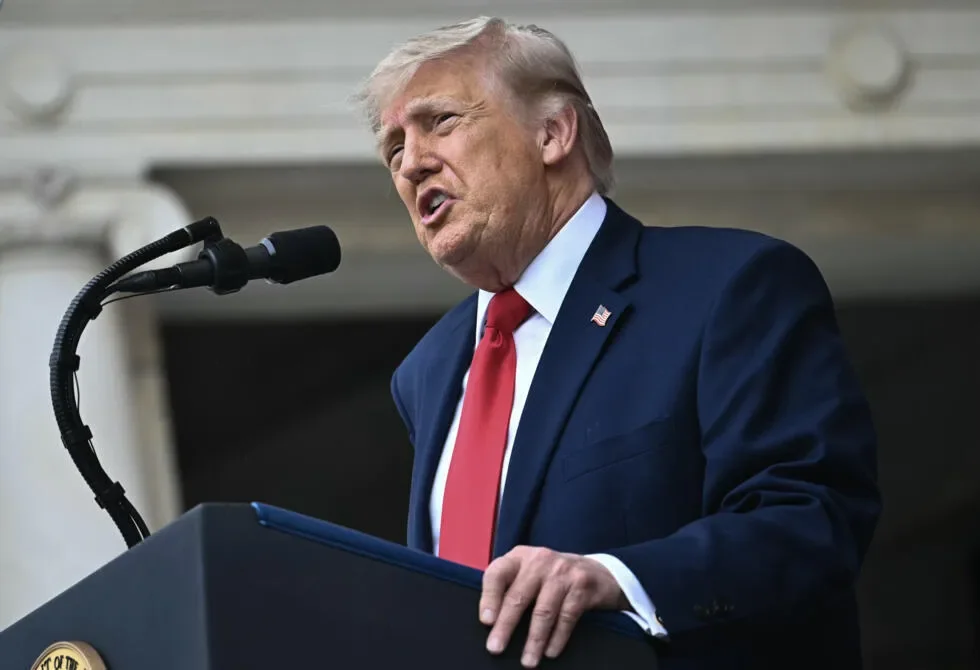
The market is reacting sharply to a series of incidents that threaten the unimpeded flow of crude. Commercial vessels have reportedly been attacked off Iran's coast, and tanker traffic through the Strait of Hormuz is facing severe disruption. This follows an earlier declaration by Donald Trump suggesting the military operation against Iran was "essentially over," which had temporarily allayed extreme market fears. However, renewed reports of mine-laying have reintroduced significant unease.
Read More: Solaris Energy SEI Stock Price Forecast Reaches $91.98 by July 2027

Price Volatility: Oil prices have experienced a significant upswing, with West Texas Intermediate (WTI) prices showing a clearly bullish structure on daily charts after a strong impulse moved through resistance zones. Some reports indicated prices temporarily surpassing the symbolic $100 per barrel threshold.
Supply Chain Concerns: The International Energy Agency (IEA) has proposed a historic release of emergency reserves from its 32 member countries, a move intended to stabilize markets. However, the sheer scale of the potential supply shock from a near-shutdown of the Strait of Hormuz might render these reserve releases insufficient.
Geopolitical Undercurrents: The ongoing confrontation involving the United States, Israel, and Iran has positioned geopolitics as a dominant fundamental factor influencing the global economy and financial markets.
Economic Ripples and Strategic Responses
The rising cost of oil is sending ripples across various economic sectors and prompting governmental interventions.

Inflationary Fears: The price surge is reigniting concerns about an inevitable inflationary shock, impacting everything from the cost of fuel at the pump to broader economic pressures on heating, food, and imported goods.
National Measures: Countries are enacting protective measures. South Korea has announced a cap on wholesale fuel prices, while China is tightening control over its refined oil exports to shield its own economy.
Market Indicators: Technical indicators on the WTI chart, including the breach of the 200-day Exponential Moving Average (EMA) and the Supertrend indicator, suggest a shift in market dynamics from a bearish to a bullish bias.
Background: A Critical Juncture
Crude oil is not only a primary energy source but also a fundamental raw material for industries manufacturing plastics, cosmetics, and medicines. The perpetual imbalance between finite supply and ever-growing demand has historically contributed to price increases. The Strait of Hormuz remains a critical bottleneck; its closure or severe disruption has historically led to significant price volatility.
The IEA and G7 are convening to discuss coordinated reserve releases, aiming to counteract the immediate price pressures. Simultaneously, reports of the Islamic Revolutionary Guard Corps (IRGC) setting naval mines in the Strait of Hormuz add another layer of immediate threat to maritime traffic. It's worth noting a report of misinformation regarding US naval escorts through the Strait, which temporarily influenced market sentiment before being clarified.