


TEHRAN MAINTAINS FIRM POSITION AMIDST WAR
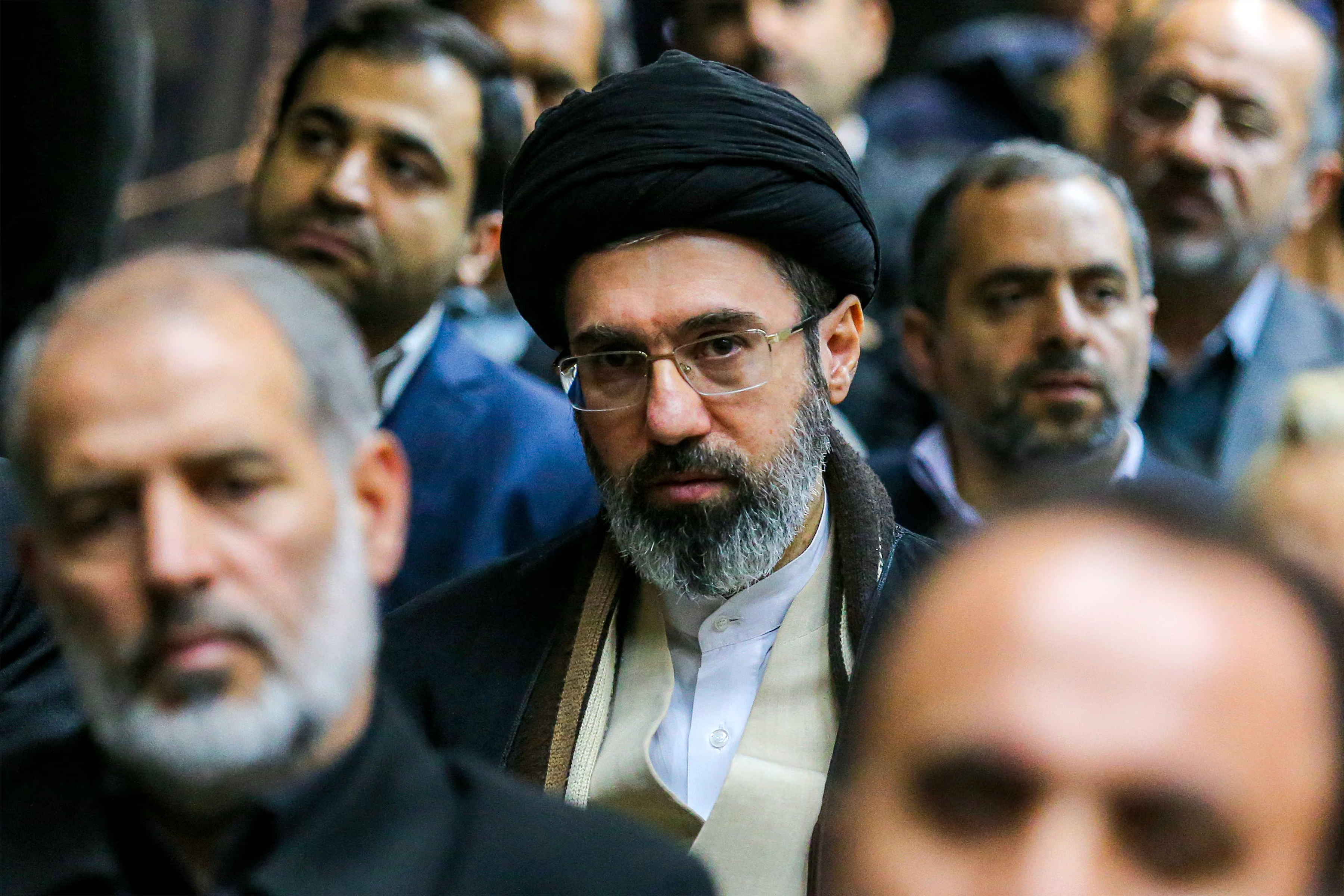
Iran's top national security official, Ali Larijani, stated unequivocally that Tehran will not surrender and will not cease its retaliatory attacks. Speaking on national television as the conflict entered its second week, Larijani, a close confidant of the late Ayatollah Khamenei, vowed to hold President Trump responsible== for the leader's death. The pronouncements come as Iran continues its engagement in hostilities, with reported strikes targeting military and commercial interests in the region.
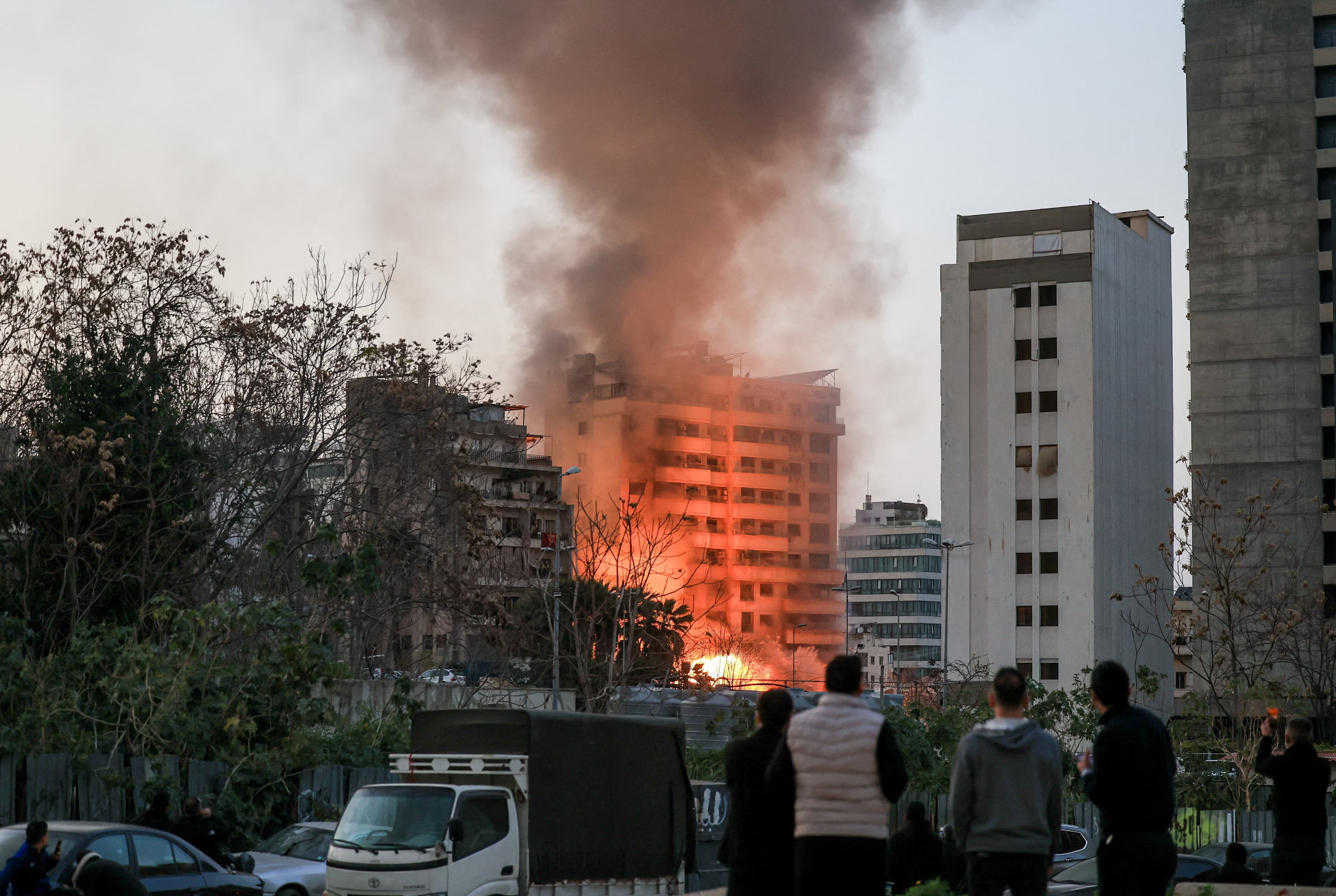
Larijani's remarks, delivered on national television, aimed to project unity within Iran's leadership regarding the war effort. The comments follow a period of heightened tensions and direct military action between Iran and a U.S.-led coalition.
REGIONAL STRIKES AND INTERNATIONAL REPERCUSSIONS
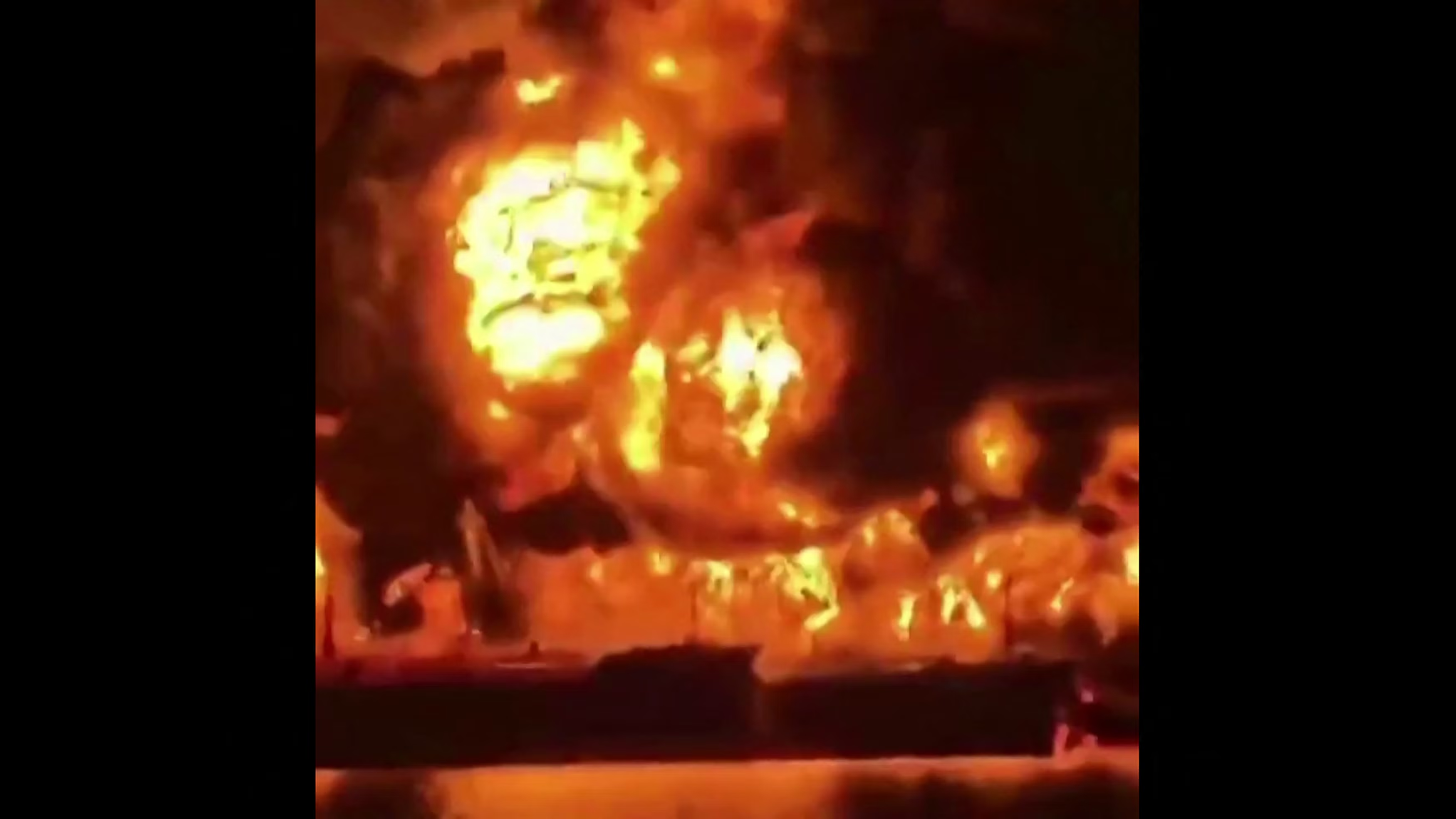
Iran has claimed responsibility for several attacks. On a recent Saturday, drone strikes were reportedly launched at a hotel in Dubai's marina, identified as belonging to Warner Brothers, and a seaport in Bahrain. Earlier, Iran had indicated striking a U.S. air base in the United Arab Emirates. These actions occur against a backdrop of continuing exchanges, with Iranian missiles reportedly targeting Gulf states and Israel conducting attacks on Iranian infrastructure.
Read More: Donald Trump Ohio and Kentucky visits for midterm election strategy in 2024
THE STRAIT OF HORMUZ AND STRATEGIC IMPLICATIONS
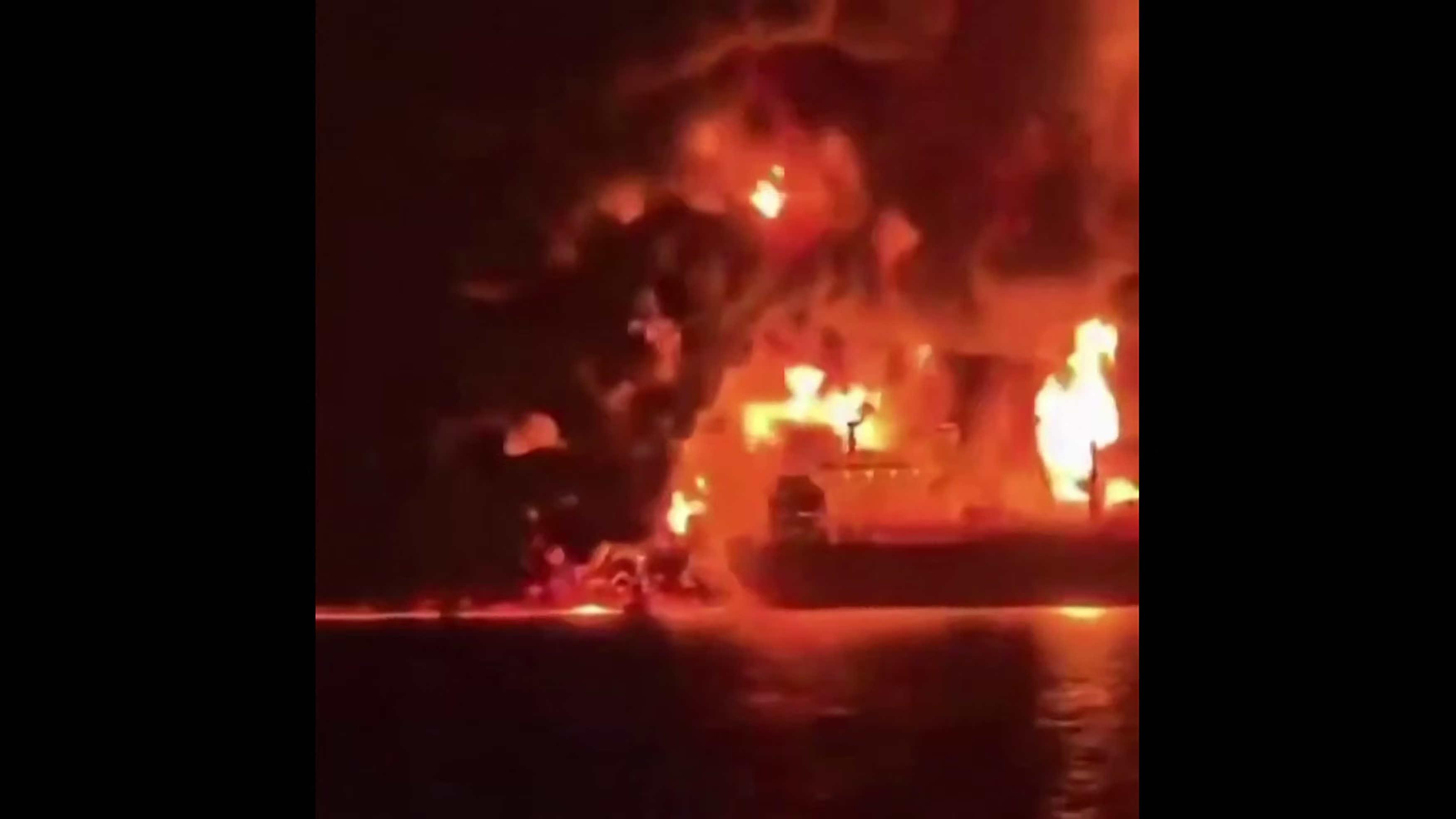
Larijani also addressed the status of the Strait of Hormuz, noting that while the waterway has not been officially blockaded, the war has rendered it effectively closed. This assertion carries significant implications for global energy markets and maritime transit. Iran also reported intercepting a majority of drones launched against it on a recent Friday.
BACKGROUND: A WEEK OF INTENSIFIED HOSTILITIES
The current phase of conflict marks the second week of U.S. and Israeli airstrikes against Iran, following the death of Ayatollah Ali Khamenei on the first day of the campaign. The initial strikes reportedly targeted critical infrastructure within Iran.
The reported timeline indicates a deliberate and sustained campaign of airstrikes initiated by the U.S. and Israel.
Iran's response has been characterized by retaliatory strikes and strong rhetorical defiance.
The involvement of President Trump has been specifically highlighted by Iranian officials.
Iran's President Masoud Pezeshkian had previously suggested a cessation of attacks on Gulf countries, a stance seemingly contradicted by subsequent events.