


The film Dark, released this week, functions as a stagnant exercise in genre tropes. Starring Ajay Karthi as a tenant entangled in the grim history of a new residence, the film fails to establish a distinct identity, settling for a recycled framework of haunted domesticity and detached investigative procedures. While Karthi offers a performance of grounded intent, the project suffers from a lack of thematic cohesion.
The film operates within the familiar mechanics of psychological thriller tropes—moving into a new home, an uncooperative landlord, and a procedural cop character—without advancing or subverting these conventions.
Comparative Breakdown: Genre Expectations vs. Execution
| Element | 'Dark' (2026) | Conventional Psychological Thrillers |
|---|---|---|
| Atmosphere | Generic / Uncommitted | Weaponized stillness or dread |
| Characterization | Routine / Functional | Visceral / Identity-focused |
| Narrative Goal | Ambiguous intent | Psychological unraveling |
Ajay Karthi portrays Vignesh, a middle-class tenant whose life remains peripheral to the narrative.
Karunakaran, played by Bhagyaraj, occupies the role of the cryptic landlord, a figure designed to obscure rather than reveal the house's history.
Natty provides a rote portrayal of an investigator, offering little variation on standard detective archetypes.
The Problem of Stillness
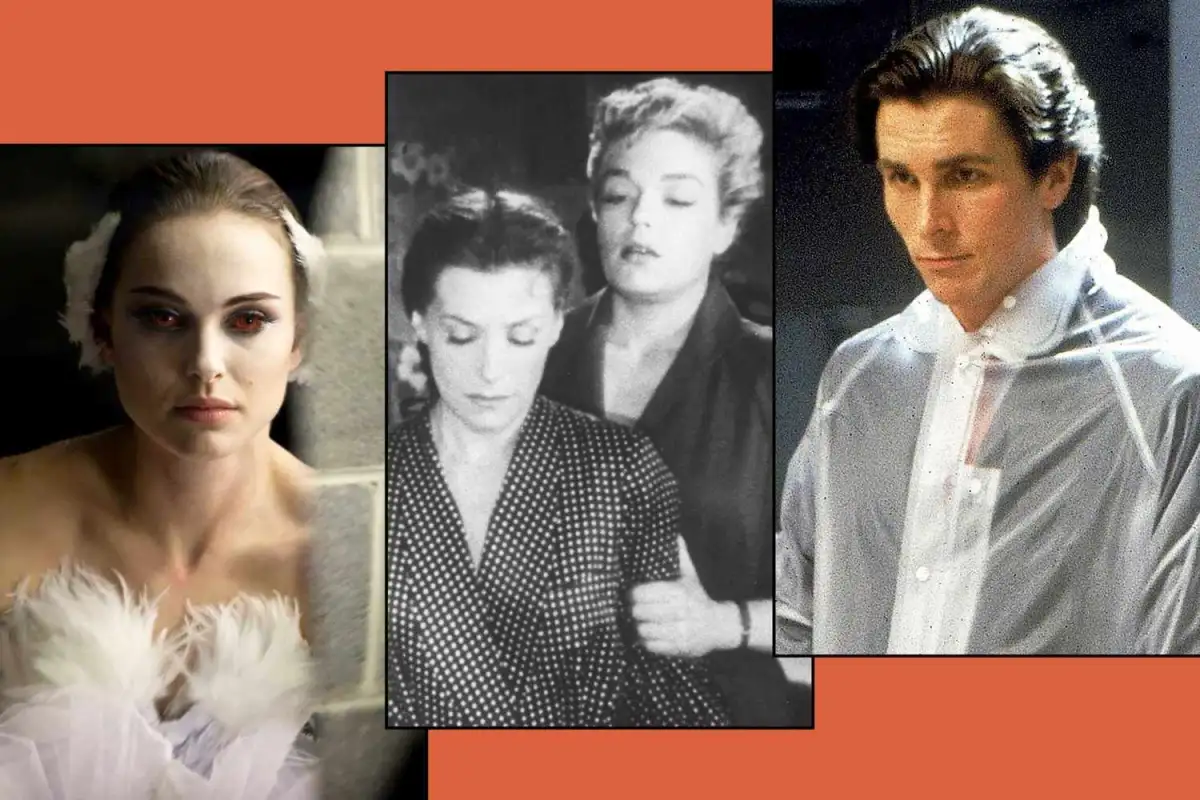
Critical discourse surrounding Psychological Thrillers often prioritizes works that effectively manipulate audience paranoia or delve into moral decay—exemplified by films like Se7en or Nocturnal Animals. Unlike these, Dark appears unable to leverage its setting as a primary instrument of tension. While successful Atmospheric Horror utilizes silence and environment to heighten psychological instability, the direction in Dark remains strictly functional. It attempts to gesture toward the protagonist's ordinary life and the property's shadowed past, yet lacks the commitment to integrate either into a meaningful Throughline.
Read More: Taylor Swift and Travis Kelce Marry at Madison Square Garden
Contextualizing the Genre
The broader landscape of contemporary cinema frequently oscillates between "slow-burn" architectural dread and the visceral, often messy exploration of the human psyche. Current Dark Thrillers that succeed typically do so by grounding their narrative in intense character performance—a departure from the detached approach seen in this production. As audiences have become conditioned to expect films that "crawl under the skin" or force an examination of Moral Decay, Dark sits as a reminder that the mere inclusion of genre signifiers—an unsettling house, a troubled history—is insufficient to create an experience that resonates beyond the frame.
Read More: The Devil's Rain 4K release sparks debate on cult status


:max_bytes(150000):strip_icc()/MORTAL-KOMBAT-II-LEWIS-TAN-050826-f54556c368f34929b0ed2ea7f658c792.jpg)


:max_bytes(150000):strip_icc():focal(799x0:801x2)/nyc-sky-taylor-swift-travis-kelce-wedding-070326-2dc0d912004b400eac2c8c8b5adeff2a.jpg)
