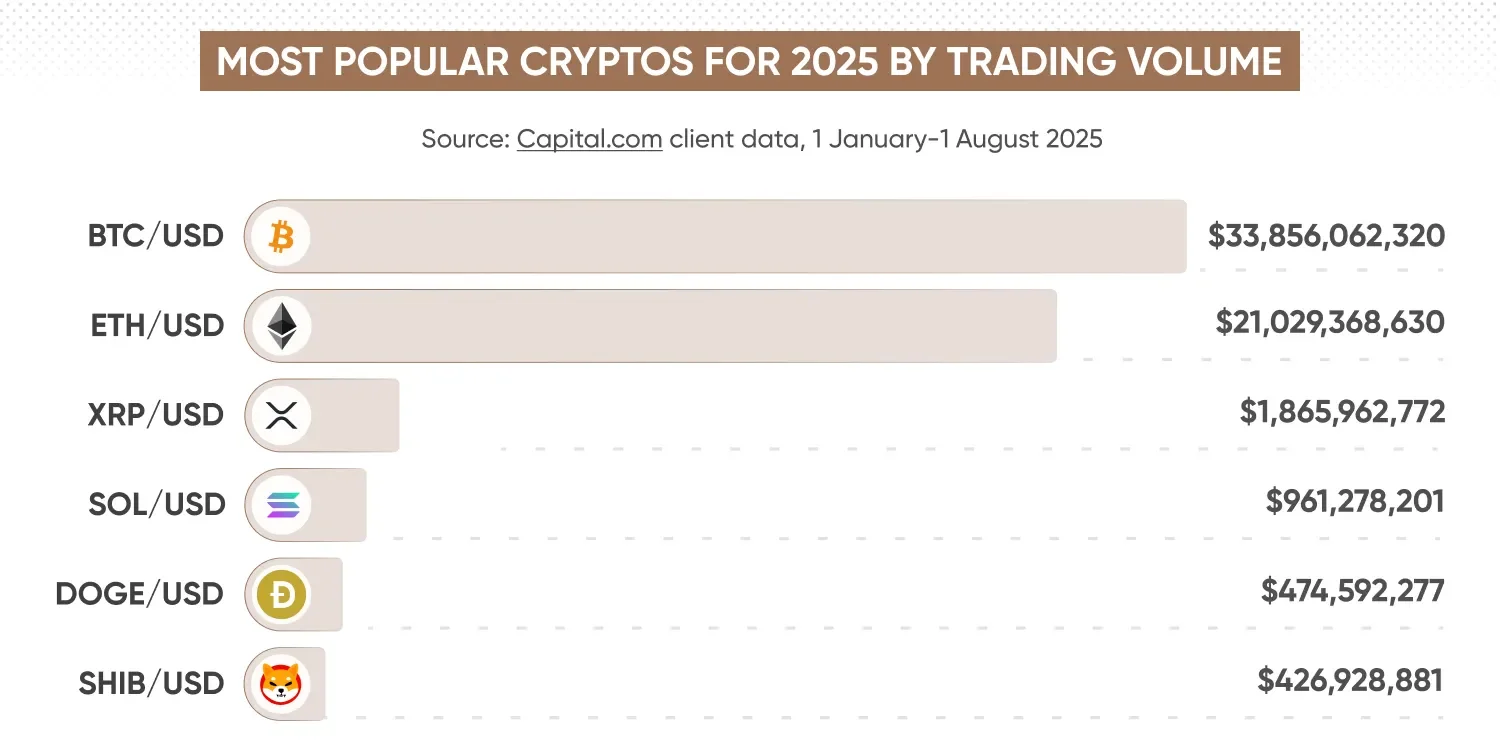
As of 17/05/2026, the financial sector is witnessing a shift in how retail capital interacts with volatile digital assets. Contracts for Difference (CFDs) have become a primary instrument for traders seeking to capture value from cryptocurrency price fluctuations without owning the underlying digital asset. Unlike traditional spot exchanges where users hold digital wallets, CFDs are derivative contracts settled in cash, betting on the direction of an asset's price.
The core tension in this market lies in the counterparty relationship: when a trader holds a CFD, they are not interacting with an open market, but with a liquidity provider—often the broker themselves—who dictates the spread and holds the opposing position.
| Feature | Crypto Spot Trading | Crypto CFDs |
|---|---|---|
| Asset Ownership | You hold the private keys/asset | No ownership (Derivative) |
| Market Access | Distributed/Public exchanges | Centralized/Closed "Box" |
| Pricing | Market-driven supply/demand | Broker-determined spreads |
| Profit Potential | Asset appreciation only | Long (rise) or Short (fall) |
The Mechanics of the "Closed Box"
Critics point to a structural asymmetry in CFD trading. Because the broker functions as the house, there is a clear conflict of interest regarding liquidity and pricing.
Read More: Solaris Energy SEI Stock Price Forecast Reaches $91.98 by July 2027
Asymmetric Incentive: In many instances, if the trader succeeds, the broker records a loss. This creates a feedback loop where providers may widen spreads during periods of high volatility to discourage or squeeze out profitable participants.
Taxation and Regulation: Jurisdictions, such as those governed by Revenue guidelines (as of April 2026), treat these gains under Capital Gains Tax (CGT). While this allows for the offsetting of losses against future gains, it complicates the fiscal reporting for individual traders, necessitating precise profit-and-loss tracking provided by platforms like Revolut.
The Perpetuals Alternative: Recent discourse suggests that Crypto Perpetuals (perpetual futures) are attempting to challenge the CFD model by decentralizing the clearing process. These tools remove the broker as the direct counterparty, potentially restoring market incentives that are currently muted in the CFD ecosystem.
"They decide the price you get. They can widen the spread whenever they want. They hope you blow up so they can keep the profit." — Market Observation, 2025
The Regulatory Landscape
The proliferation of CFDs in the digital asset space creates a complex Financialization environment. Unlike traditional stock market CFDs, which may face time-bound limitations, cryptocurrency derivatives often function without strict expiry, allowing for indefinite position holding. This flexibility serves as a double-edged sword: it enables sophisticated day or swing trading strategies but exposes retail capital to the risks of Leverage in a market where volatility is endemic.
As of today, the reliance on Broker-Centric platforms remains a hurdle for market transparency. Investors are increasingly cautioned that by opting for CFDs, they are moving away from the ethos of blockchain-based Ownership and into a high-friction, proprietary trading environment where the house retains significant control over the terms of trade.