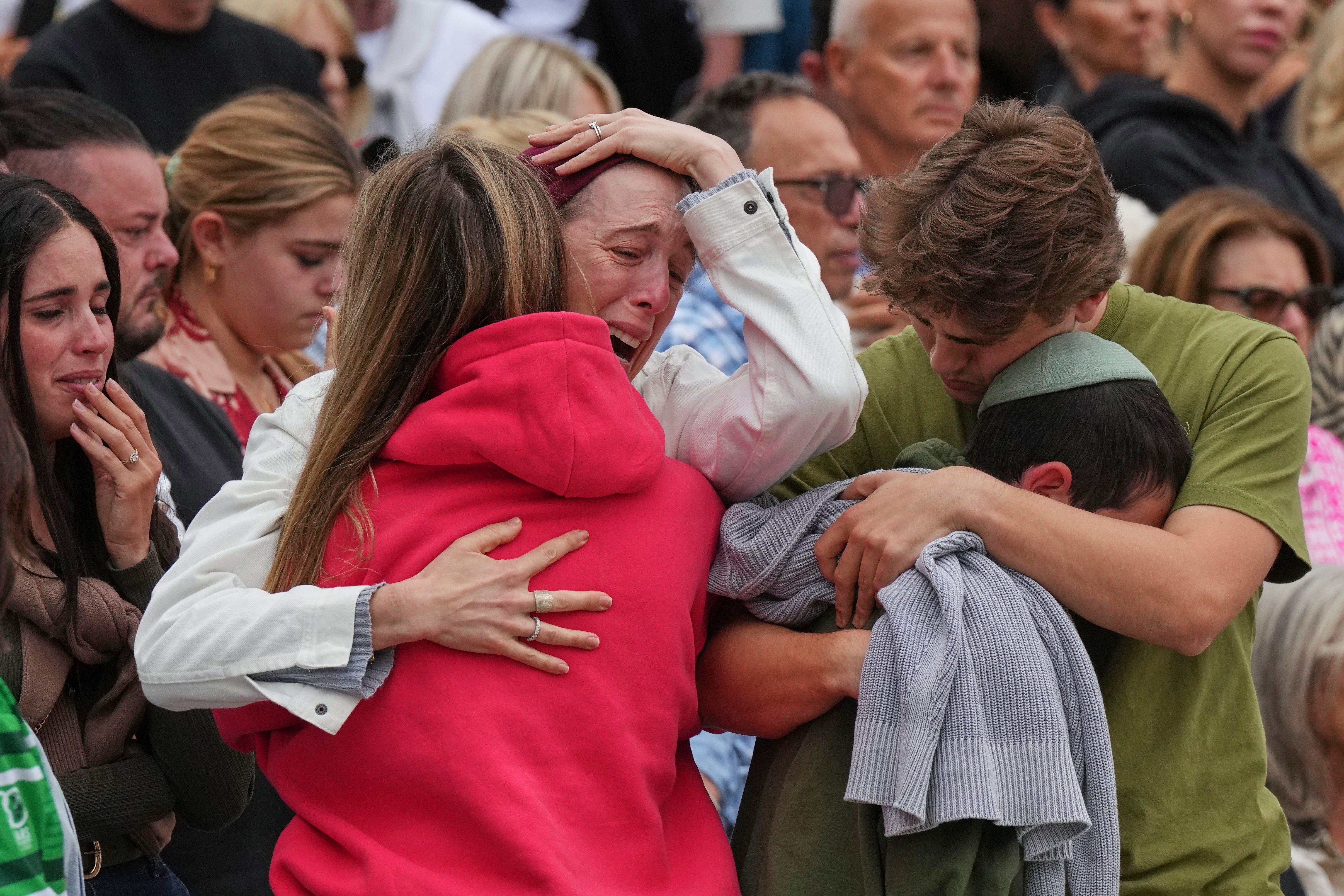
SYDNEY, AUSTRALIA – New South Wales Premier Chris Minns has publicly acknowledged a "giant intelligence failure" as the state grapples with the aftermath of the Bondi terror attack. The premier's admission, made recently, points to significant shortcomings in policing and intelligence mechanisms that allowed the horrific event to unfold, resulting in the deaths of 15 people during a Hanukkah celebration. Minns, however, stopped short of declaring the state's counter-terrorism system "broken," instead expressing anticipation for the findings of an ongoing Royal Commission tasked with dissecting the systemic errors.
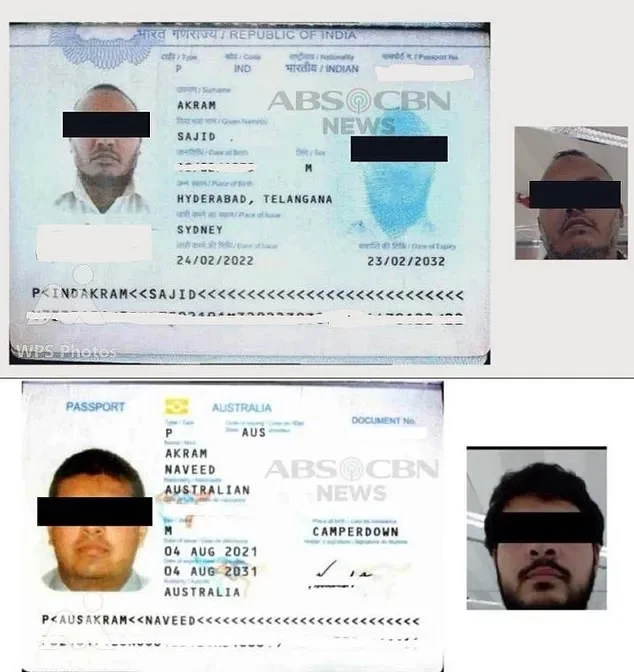
The attack, which targeted a Jewish community event, has brought into sharp focus how warnings were handled, or allegedly mishandled. Reports circulating claim that information regarding Sajid Akram, identified in connection with the attack, was lodged via two calls to the National Security Hotline in 2007 and 2024. These calls, it is alleged, were never relayed to the Australian Security Intelligence Organisation (ASIO), leaving key agencies operating without crucial intelligence.
Read More: Damascus Cafe Bomb Kills 9, Wounds 20
This alleged breakdown in information sharing is central to the burgeoning inquiry. Officials have pointed to a "catastrophic breakdown in intelligence sharing" as a root cause. It appears that both the Australian Federal Police and Border Force were aware of the Akrams' travel to regions associated with extremist activity, yet this vital information purportedly did not reach ASIO or NSW Police. This fragmentation in intelligence networks, allegedly stemming from outdated systems within Home Affairs, is now under intense examination. The existence of multiple, uncoordinated travel alert systems, some predating the Australian Border Force itself, is cited as a contributing factor to this fractured intelligence landscape.

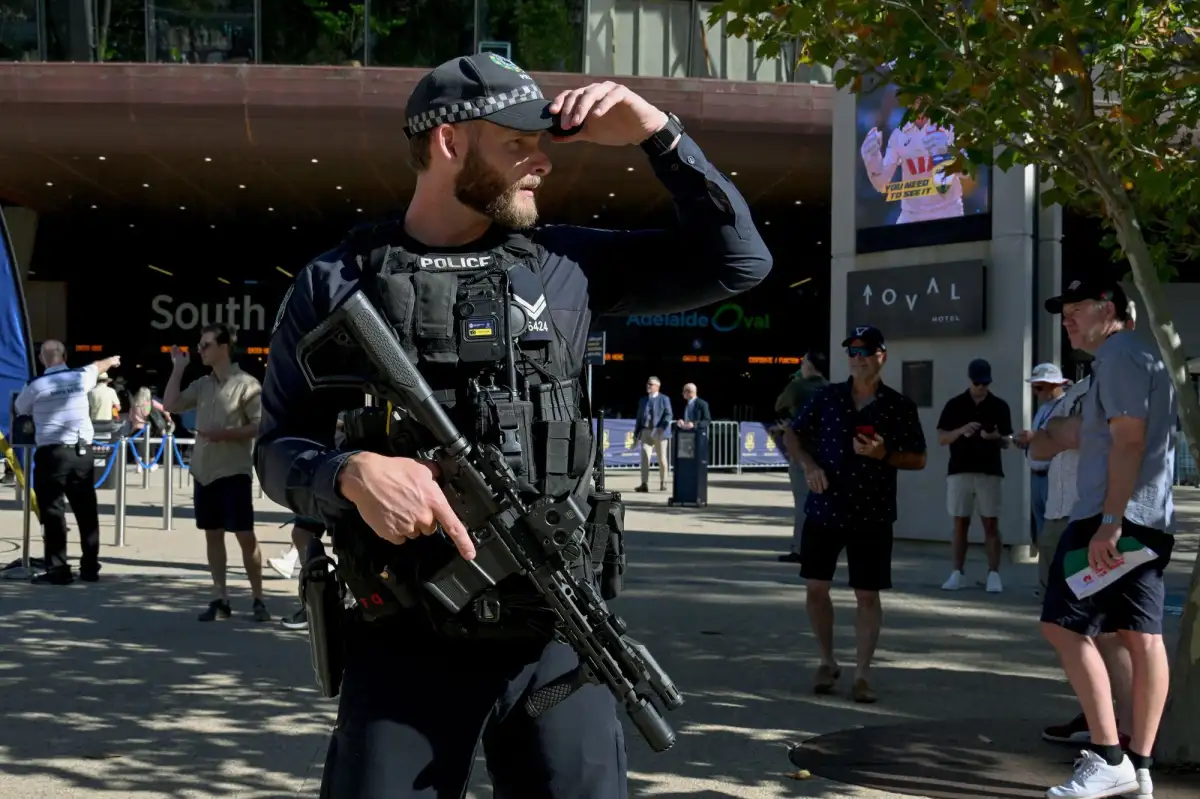
Minns has also faced pointed questions regarding the security posture for the Hanukkah event, defending the police response by stating that victims "weren't shot in the back." The attack has ignited broader questions across Australia about the capacity of authorities to prevent such incidents, particularly concerning how individuals not previously on watchlists could acquire firearms and carry out such an atrocity in a prominent public space. While the immediate aftermath saw discussions about potentially deploying the army to safeguard Jewish sites, the primary focus remains on understanding the intelligence and policing failures that preceded the Bondi massacre.
Read More: Hunter Region Gets $12 Billion Train Factory