
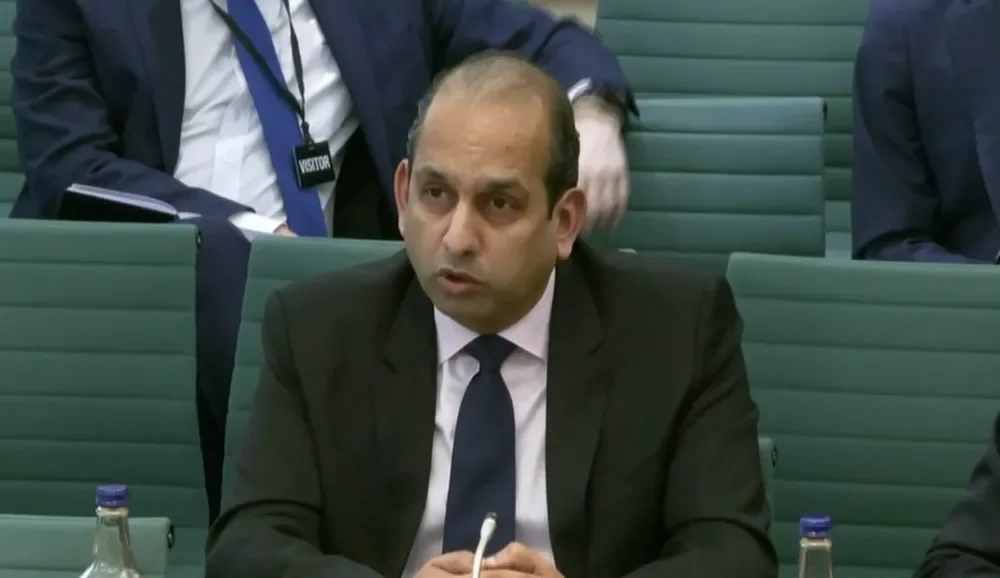
Barclays UK is initiating a significant shift, planning to open new physical branches and reinstate the "bank manager" role, a move that conspicuously contrasts with broader industry trends of branch closures and an increasing reliance on digital platforms. This strategic pivot, championed by Vim Maru, chief executive of Barclays UK, signals an intent to counter the perceived limitations of purely automated customer service, emphasizing a value for tangible human interaction in banking.
The bank explicitly aims to avoid customers being "stuck in some chatbot", highlighting a desire to offer in-person support for more complex financial needs. This directive from Maru, who took the helm of Barclays UK in 2024, follows a period where the bank had previously shuttered over 800 branches since 2018, leaving 206 operational. His tenure has marked a pause on further closures, now pivoting towards expansion.
Read More: Singareni Workers Get Up To ₹55 Lakh Insurance Cover From Union Bank
A Counter-Current Strategy
The announcement positions Barclays against rivals like Lloyds Banking Group, which had previously declared plans to close 136 branches, citing a customer shift towards mobile services. Barclays, however, maintains that many customers still value physical presence and the ability to engage with bank staff directly. This approach suggests a belief that a hybrid model, combining digital convenience with accessible human assistance, represents a more robust formula for contemporary banking.
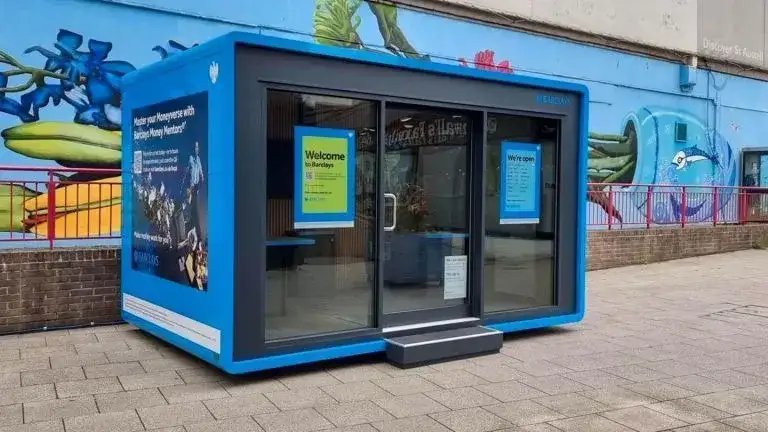
While a precise figure for the number of new sites remains undisclosed, the bank is actively pursuing growth through an expanded "footprint." This strategy is not solely confined to traditional branches; Barclays has also been exploring flexible formats, such as 'Barclays Local' and banking pods, designed to offer in-person support within community settings. These initiatives represent an evolving physical presence tailored to perceived customer needs and usage patterns.
Read More: Manchester City beats Liverpool 4-0 in FA Cup on April 4, 2026
Context and Shifting Landscape
The move by Barclays arrives at a time of considerable flux within the retail banking sector. The long-term decline of high street branches, accelerated by digital transformation, has forced institutions to re-evaluate their operational models. Barclays' decision to reinvest in physical locations, alongside the reintroduction of bank manager roles, suggests a calculated bet on the enduring relevance of face-to-face interaction, particularly for sensitive or complex financial matters. The bank's stated commitment is to offer a blend of "slick digital services and genuine, in-person support," aiming to differentiate itself in a competitive market.