


The Grand Theft Auto series maintains a commercial position as one of the most profitable media franchises in history. Its financial growth is tethered to a repetitive, structural conflict: the tension between digital excess and institutional moral authority.
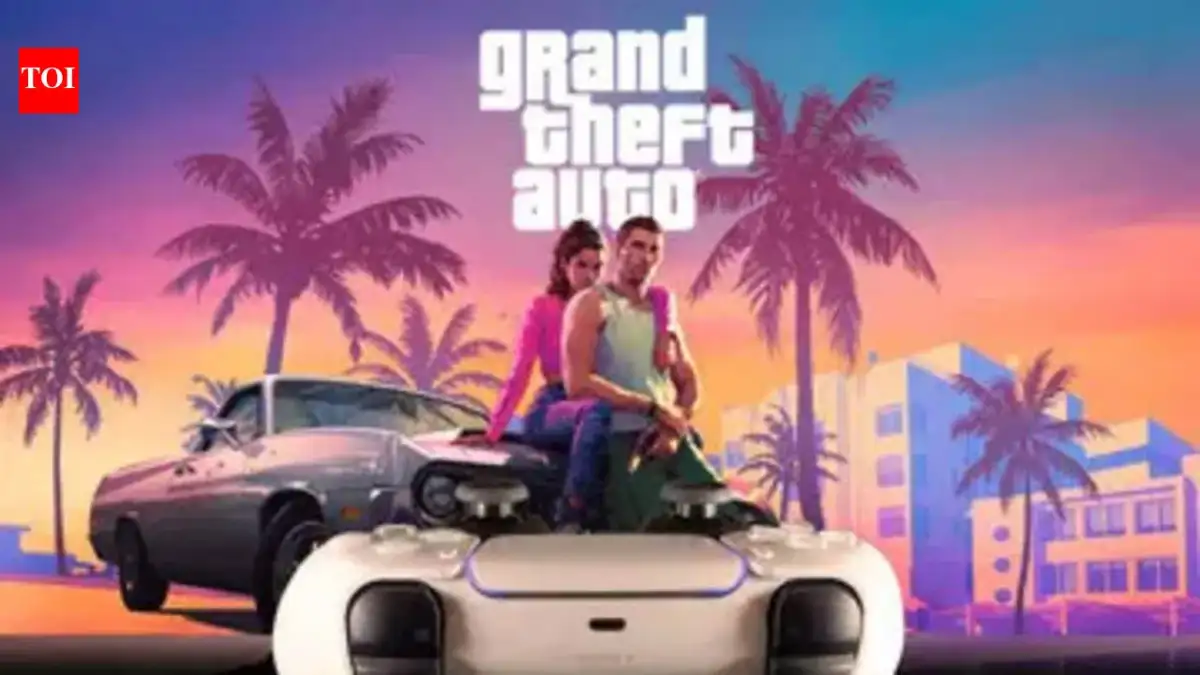
The core of the "GTA controversy" rests on a symbiosis between developers pushing boundary-testing mechanics and third-party observers—most notably former attorney Jack Thompson—using that volatility to secure platforms within cable news cycles.

Key Friction Points
The history of the franchise is defined by distinct clusters of legal and cultural pushback:

| Conflict Era | Primary Trigger | Institutional Response |
|---|---|---|
| Early 2000s | Realistic crime simulation | Legal campaigns, media panic |
| Hot Coffee | Hidden sexual content | Massive litigation, rating changes |
| GTA IV/V | "Interrogation" & satire | Accusations of psychological harm |
| Recent Era | Internal developer erasure | Tensions between publishers and studios |
The Mechanics of the Moral Panic
The series functions by design as an aggressive critique of—and participation in—societal violence. This intentionality creates a loop:
Advocacy groups frequently label the game’s content as a corrupting influence, often disregarding the satirical framing inherent to the software.
During the Jack Thompson era, these public grievances transitioned into personal vendettas, with legal filings targeting Take-Two Interactive over likeness rights and alleged real-world behavioral triggers.
Recent internal frictions, such as the 2024 removal of Grove Street Games from the startup credits of GTA: The Trilogy, indicate that controversies have migrated from external "moral" crusades to internal industry governance issues.
Explanatory Context
The longevity of these scandals suggests they are not aberrations but central to the product's identity. The game is constructed to permit the player to disrupt the social order of a virtual metropolis, an act that naturally invites scrutiny from institutions concerned with societal cohesion.
Read More: Street Fighter 6 Year 4 Pass adds Tifa and 3 new fighters in 2026
While early backlash focused on the alleged "warping" of younger users' perspectives, the discourse has shifted. It is now less about a monolithic fear of violence and more about the power dynamics within the development pipeline and the publisher-developer relationship.
The pattern remains static: each surge in media attention reinforces the series' visibility, proving that in the ecosystem of modern entertainment, public antagonism acts as a distinct engine for relevance. Whether via government scrutiny or internal studio politics, the "complication" is, for Rockstar Games, a feature rather than a flaw.




/content/opengraph/MTG-Top-10-Best-Commander-Cards-From-Magic-The-Gathering-Marvel-Super-Heroes-MSC-MSH.png)

:max_bytes(150000):strip_icc():focal(799x0:801x2)/nyc-sky-taylor-swift-travis-kelce-wedding-070326-2dc0d912004b400eac2c8c8b5adeff2a.jpg)