Chinese Foreign Minister Advocates for "Partner, Not Rival" Framing Amidst Diplomatic Overtures
"Division and confrontation would only hinder Asia’s resurgence."
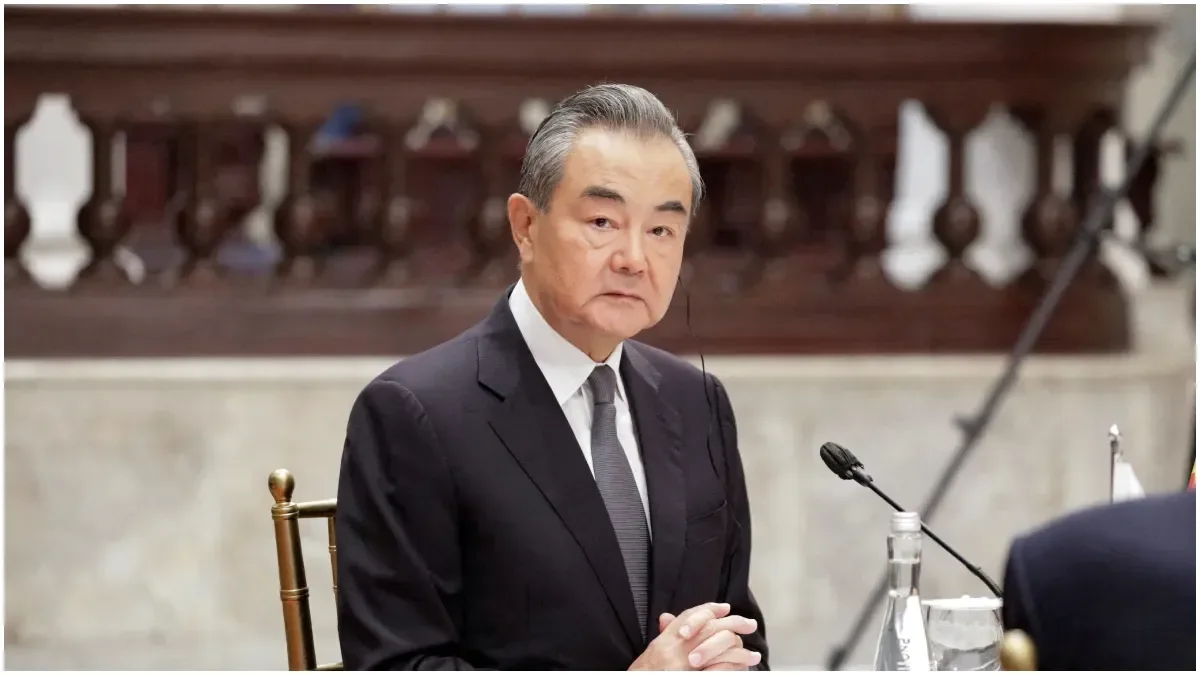
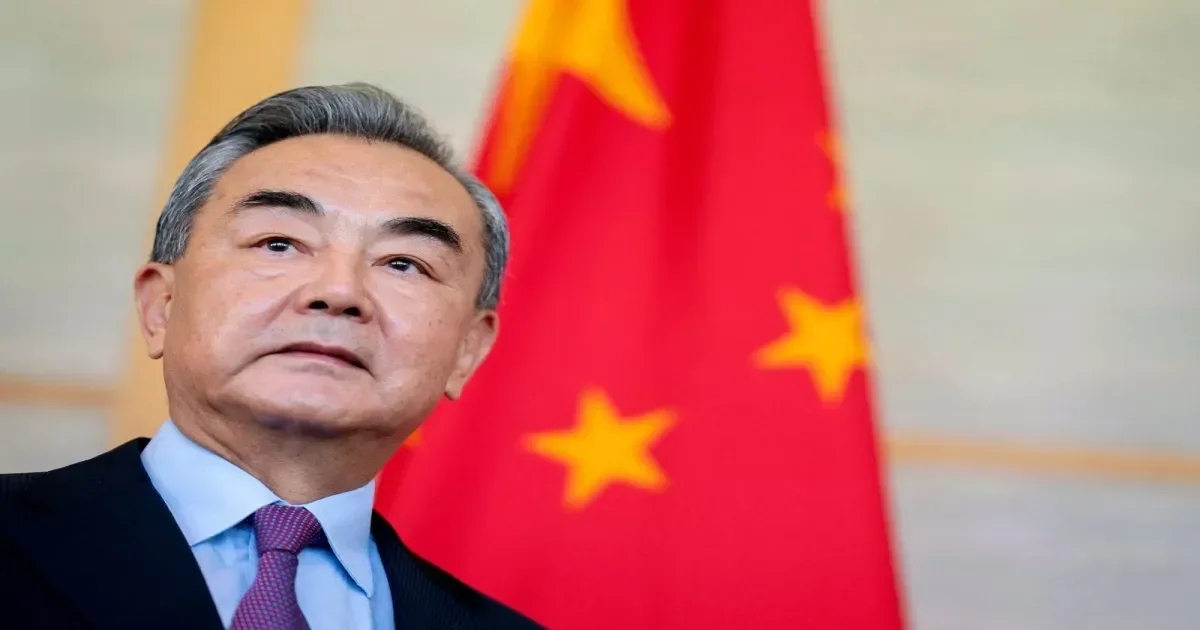
Beijing, through its Foreign Minister Wang Yi, has signaled a desire for a less adversarial relationship with India. Yi, speaking during a press conference on the sidelines of the National People's Congress, urged both nations to adopt a strategic perspective that views each other as "partners, not rivals" and as "opportunities rather than threats." This call for a recalibration of diplomatic framing comes amidst a period of re-energized interactions, record bilateral trade, and resumed visa and flight services between the two Asian giants.

Yi emphasized the tangible benefits derived from such cooperation, stating that recent interactions have brought "tangible benefits to the two peoples." He specifically highlighted the importance of mutual support in hosting forthcoming BRICS summits, noting that the bloc has since expanded to include nations like Saudi Arabia, Egypt, and Iran, underscoring a shared platform for engagement. The minister further suggested that "good-neighborliness, friendship, and cooperation" are crucial for promoting regional stability.
Read More: AFP Reviews War Crime Claims Against Australian in Gaza

Shifting Perceptions and Diplomatic Maneuvers
The Chinese Foreign Minister's remarks suggest a strategic pivot, advocating for a shift away from viewing the bilateral relationship through a lens of inherent conflict. Yi articulated a vision where both countries are seen as crucial neighbors and members of the Global South, possessing deep civilizational ties and shared common interests. He posited that mutual trust and cooperation are conducive to development, while conversely, division and confrontation would be detrimental to Asia's resurgence.

Yi's statements indicate a broader Chinese foreign policy objective, aiming to foster an environment conducive to diplomatic engagement, particularly as President Xi Jinping prepares to host US President Donald Trump for a summit. The timing of these remarks, juxtaposed with global geopolitical shifts, invites scrutiny into the underlying motivations and the potential for a sustained change in the India-China dynamic.
Read More: Tibetan Permafrost Thaw Releases Ancient Carbon, Risks Climate Tipping Point
Contextualizing the Overtures
These pronouncements follow a period of strained relations, notably the military standoff in eastern Ladakh. However, diplomatic overtures, including meetings between Prime Minister Narendra Modi and President Xi Jinping, have reportedly initiated a normalization process. This has manifested in resumed interactions at various levels, a notable surge in bilateral trade figures, and the reestablishment of people-to-people exchanges. The expanded BRICS bloc now represents a significant multilateral forum where India and China can ostensibly coordinate their efforts.