

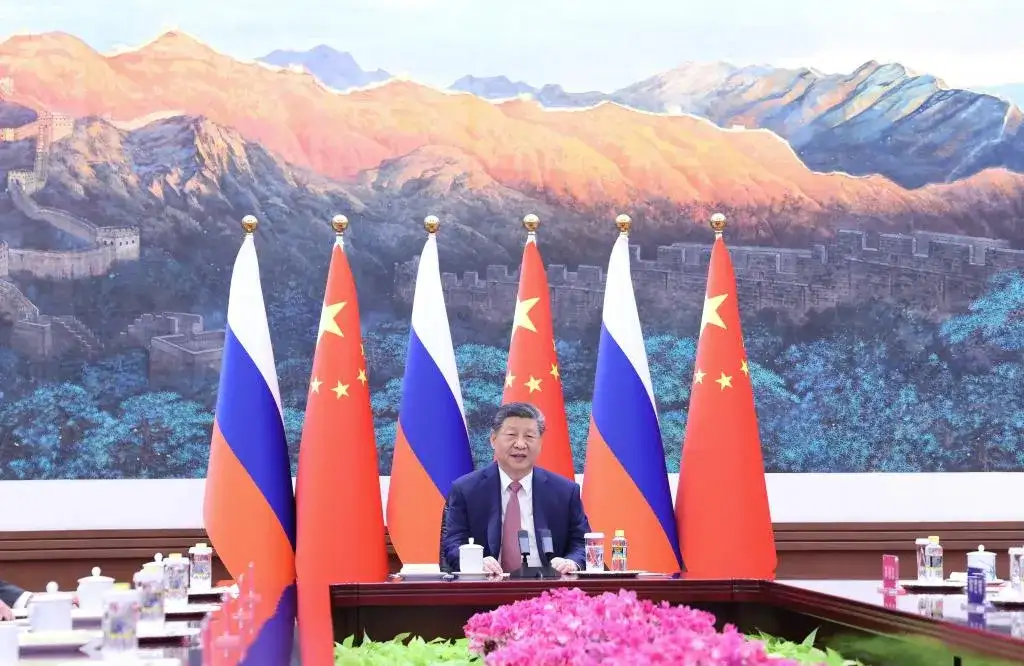
Beijing and Moscow are broadcasting an image of steadfast partnership, presenting their bilateral relationship as a bulwark against what Chinese President Xi Jinping termed "turbulent" international circumstances. Recent exchanges, including a virtual meeting on February 4, 2026, and prior discussions, underscore a sustained effort by both leaderships to reaffirm their strategic alignment.
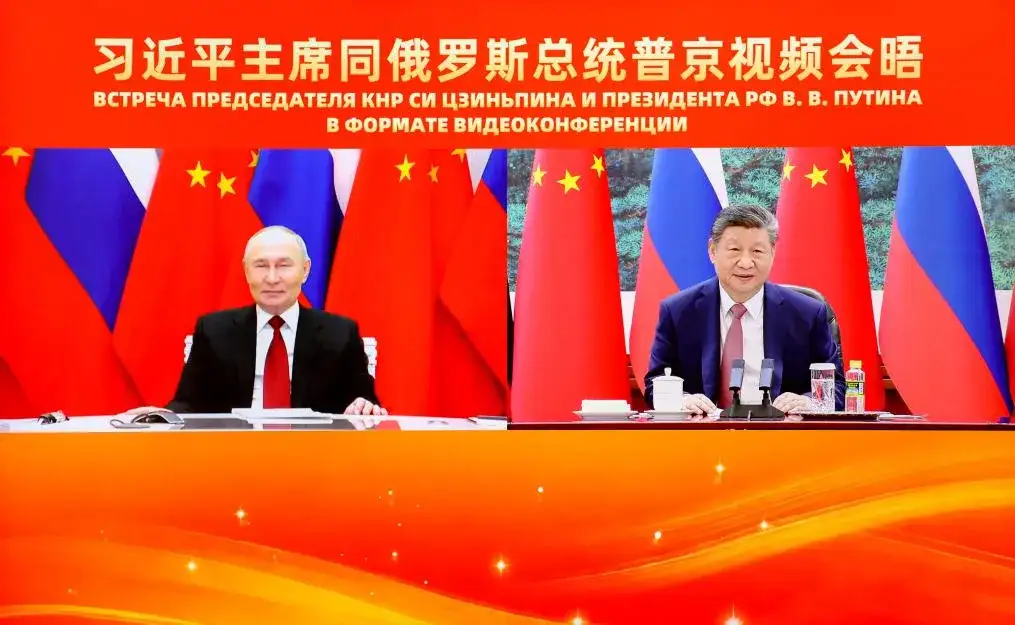
Xi has repeatedly characterized the China-Russia relationship as standing the test of geopolitical uncertainties and serving as a model for interstate conduct, emphasizing "eternal good-neighbourliness, friendship, comprehensive strategic interaction, mutually beneficial cooperation and win-win."
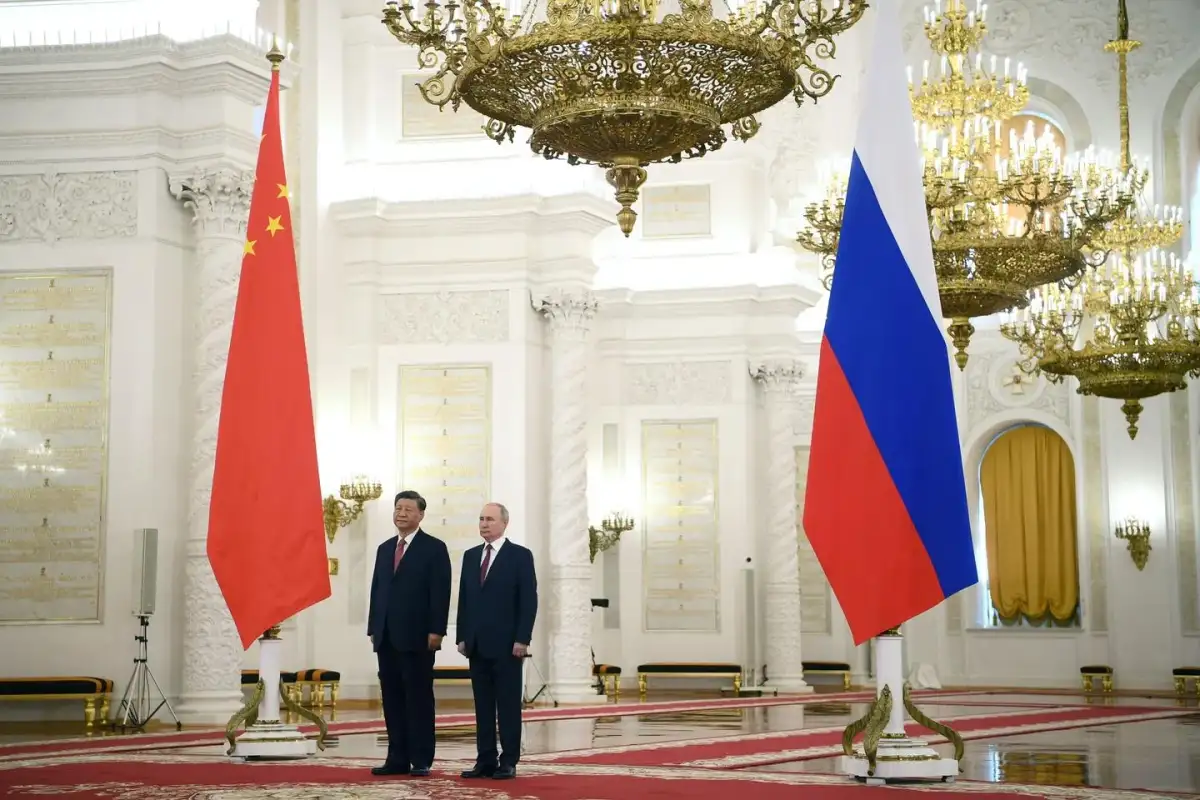
The messaging from Beijing centers on increasing "high-level exchanges" and strengthening "pragmatic cooperation across various fields." China has also signaled its intent to coordinate positions with Russia on matters concerning "core interests and major concerns," and Xi has called for "like-minded" nations to collaborate towards a "more just and equitable" multipolar world order.
Read More: Albanese signs energy deal with Brunei amid rising costs and antisemitism inquiry
Russia, in turn, has affirmed its support for China's initiatives, such as hosting the Asia-Pacific Economic Cooperation (APEC) Economic Leaders' Meeting. These interactions occur against a backdrop of significant anniversaries for the bilateral relationship, including the 30th anniversary of the China-Russia strategic partnership of coordination and the 25th anniversary of the Treaty of Good-Neighborliness and Friendly Cooperation.

STRATEGIC CONVERGENCE AMID GLOBAL TENSIONS
The narrative of enduring ties between China and Russia is being actively promoted, particularly as both nations navigate complex geopolitical landscapes. Xi's recent pronouncements highlight a desire to "deepen" these relations, framing them as a "strong driving force" in an increasingly volatile world.
The leaders have engaged in numerous high-level meetings, including virtual summits and in-person discussions, notably Xi's visit to Russia in May 2025 for Victory Day celebrations and Putin's visit to Beijing in September 2025.
These encounters often involve declarations of solidarity and mutual criticism of Western policies. During the Shanghai Cooperation Organisation (SCO) summit in Tianjin in September 2025, both leaders reportedly criticized Western governments, with Putin defending his actions in Ukraine and attributing the conflict's origins to the West.
The economic dimension of the relationship is presented as a critical component, with China serving as an "economic lifeline" for Russia, especially amidst sanctions. Reports from May 2024 noted record trade between the two countries.
Read More: Saudi Arabia now wants US to fight Iran harder
HISTORICAL CONTEXT AND EVOLVING DYNAMICS
The current emphasis on the China-Russia partnership follows years of deliberate cultivation by both Beijing and Moscow. Since at least March 2023, Xi has publicly offered support for Putin, commending Russia's domestic achievements and implicitly criticizing the United States' foreign policy.
The relationship has seen specific instances of strategic alignment, such as China abstaining from certain UN Security Council votes related to North Korea, aligning with Russia's stance.
There are also indications of a shared aspiration to counter what they perceive as U.S. global dominance, pushing for a multipolar international system.
The solidification of ties has also been observed in less public forums, with discussions regarding arms control and nuclear pacts also occurring, suggesting a broad scope to their strategic dialogue. While China has offered peace plans for Ukraine, it has not called for a Russian withdrawal, a position that has drawn criticism.


