ENERGY PACT SIGNED AMIDST GEOPOLITICAL WINDS
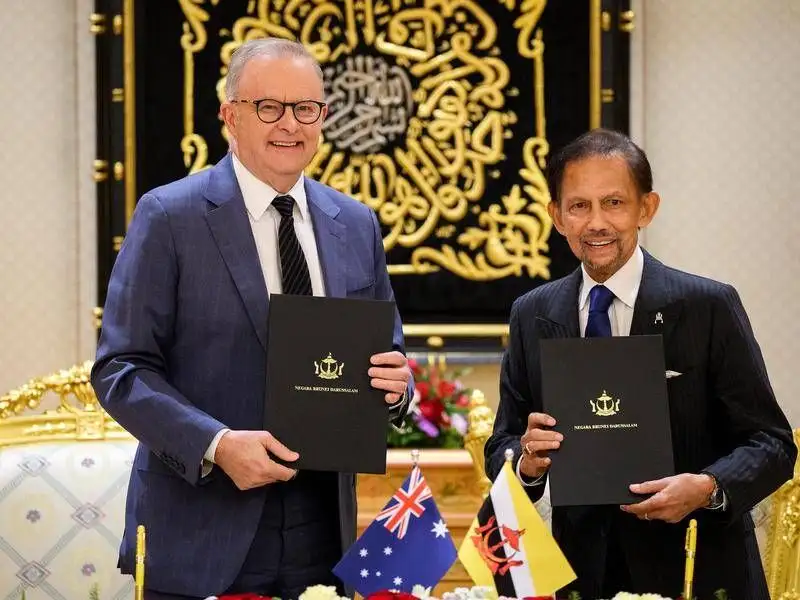
Prime Minister Anthony Albanese has inked a deal with the Sultan of Brunei, aiming for cooperation on energy and food security. The accord, formalized through a joint statement, emerges from talks held in Brunei's Royal Palace. This pact arrives as the nation’s primary source of urea, essential for agricultural fertilizer, hinges on a Brunei plant supplying nearly 10 percent of Australia's needs. Following this engagement, Albanese’s itinerary includes discussions with his Malaysian counterpart in Kuala Lumpur, also focusing on securing fuel supplies. The joint statement itself underscores a shared commitment to regional peace and prosperity between the two nations.
ROYAL COMMISSION TAKES STAGE ON ANTISMEITISM
Meanwhile, the recently established Royal Commission into Antisemitism is preparing for its inaugural public hearings, slated for May. This commission, a potent instrument for public scrutiny, aims to delve into the prevalence and drivers of antisemitism across Australia. It follows the Bondi Beach attack, an event that prompted a shift in the government's stance, with Albanese eventually announcing a federal inquiry. The commission's mandate includes examining how law enforcement confronts antisemitic acts, investigating the circumstances surrounding the Bondi incident, and fostering social cohesion. Its establishment was not without its debates, with the government initially resisting calls for a broad federal inquiry, opting instead to cooperate with a state-level investigation before eventually conceding to a national one. The terms of reference for the federal commission were seen by some as a point of contention, with criticisms that the initial proposals were too complex.
Read More: Taiwan Holds Nantou County Drills to Prepare for State Collapse
ECONOMIC UNDERTONES AND WAGE WOES
Economic narratives are also surfacing. Reports indicate that price increases have now outpaced wage growth, a situation that has the industry minister expressing a desire for steady wage expansion, advocating for greater individual economic agency beyond mere salary survival. Former Reserve Bank governor Philip Lowe has faced scrutiny for his views linking government spending to rising interest rates. Concurrently, there are discussions surrounding taxation, with a former Australian Treasury head suggesting the abolition of the capital gains tax discount. Figures within the political sphere are painting a stark fiscal picture, with concerns voiced about Australia's 'net worth' and the sustainability of the current budget, which some argue is fostering increased reliance on government support and complicating financial independence.
Read More: Goldman Sachs predicts 15 million US jobs lost to AI by 2036

BACKGROUND TO THE INQUIRIES
The Royal Commission into Antisemitism has been framed as a necessary response to rising societal tensions, particularly in the wake of the Bondi Beach shootings. Initially, the government pointed to the New South Wales state-led inquiry, suggesting federal agencies would collaborate. However, pressure from victims' families and advocacy groups, alongside observations about antisemitic incidents occurring nationwide, ultimately led to the decision to establish a federal commission. The federal inquiry, the most authoritative form of public examination in Australia, is expected to provide recommendations by December 14, 2026, exactly one year after the Bondi massacre. It’s worth noting that royal commissions, while not courts, offer a public platform for examining complex societal issues, with past instances seeing high-profile figures compelled to give evidence. The initial pushback against a federal commission has been interpreted by some as a potential misjudgment of public sentiment or a strategic delay.
Read More: FBI Analysts Review Georgia 2020 Election Data in Fulton County
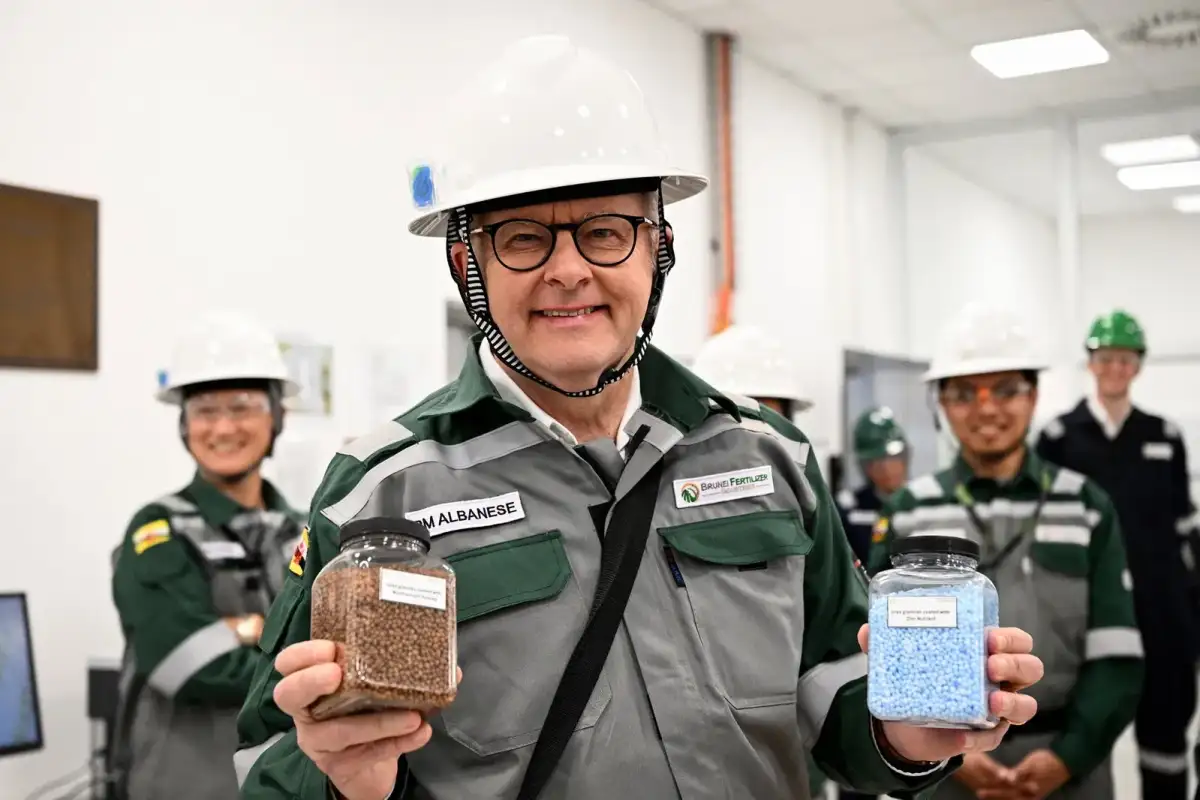
The energy cooperation with Brunei marks a pragmatic move in securing vital resources. Brunei, a significant producer of urea, plays a crucial role in Australia's agricultural supply chain. This agreement, alongside talks with Malaysia, highlights the government's focus on bolstering fuel security in a potentially volatile global climate.