SCIENCE MOVES BEYOND EARTHLY GARDENS
Researchers have successfully cultivated and harvested chickpeas using soil made to mimic lunar regolith, a significant step toward the possibility of growing food for long-term human presence on the moon. This achievement, detailed across several recent reports, involved planting the legumes in a mix of simulated lunar soil and organic matter.
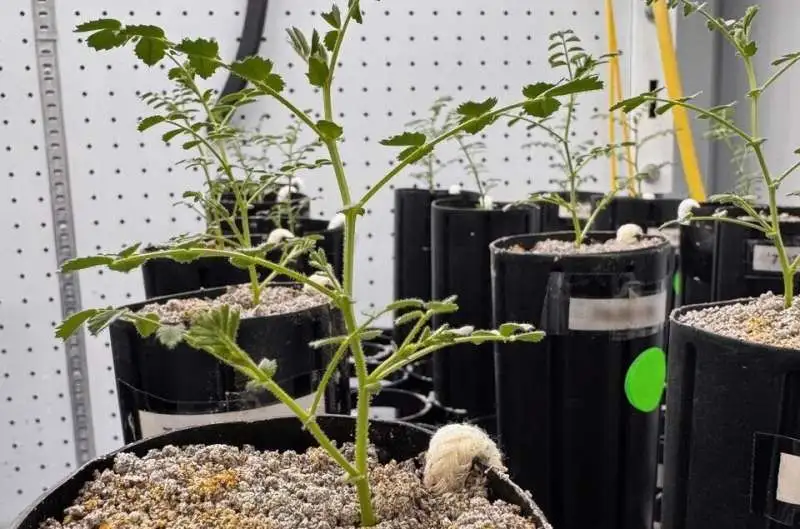
The experiments, conducted by teams including those at The University of Texas at Austin, employed simulated lunar soil sourced from laboratory environments. The success hinged on augmenting the regolith with substances like fungi and vermicompost. While the plants grew and produced seeds, higher concentrations of the simulated lunar soil led to a reduction in the number of harvestable chickpeas, though the size and quality of the individual seeds remained largely consistent.
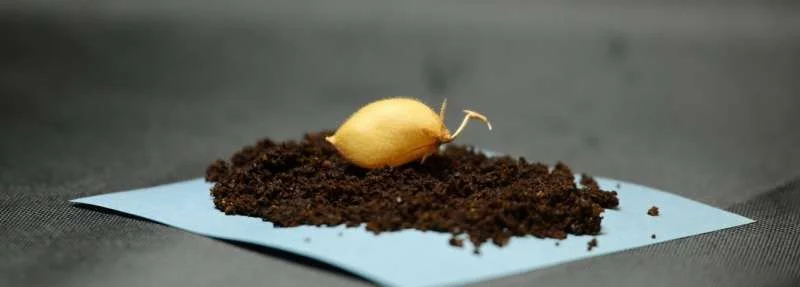
This breakthrough arrives as both the United States and China are preparing to send astronauts back to the moon in the coming years, with ambitions for establishing sustained bases. The ability to grow food in situ on the moon could prove crucial for such endeavors, potentially alleviating reliance on Earth-based resupply missions. The research hints at the possibility of a more varied future diet for lunar explorers, though questions remain about the nutritional completeness of these home-grown crops for astronaut needs.
Read More: Indigenous Data Rights Now Key in Conservation Genomics
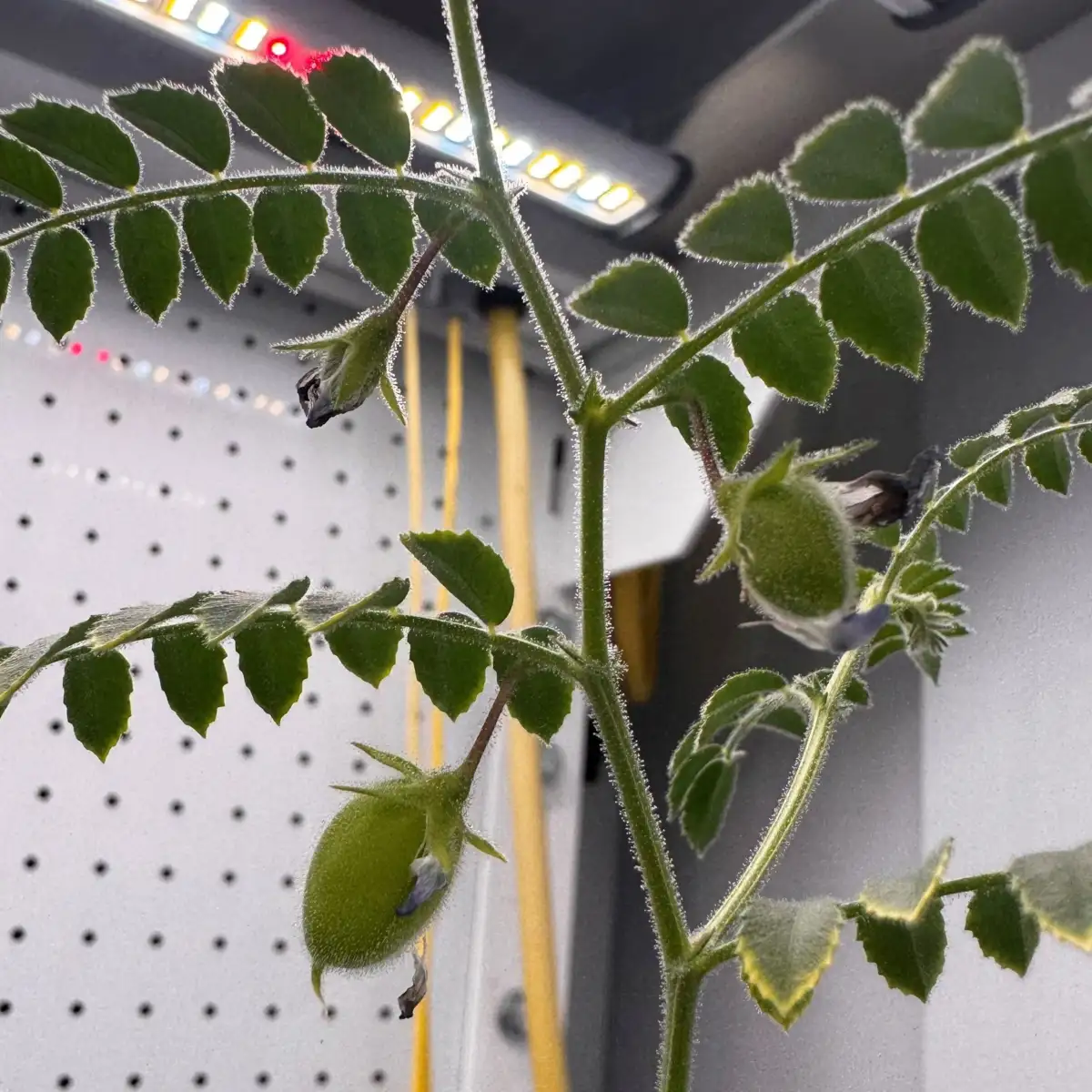
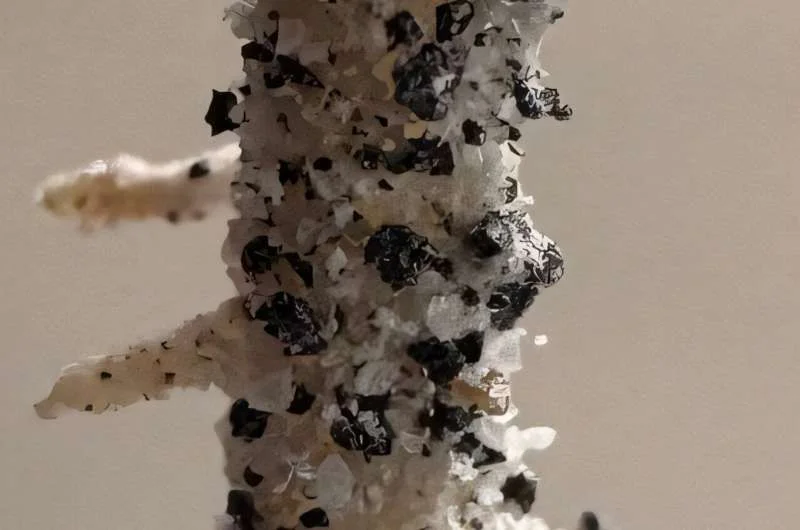
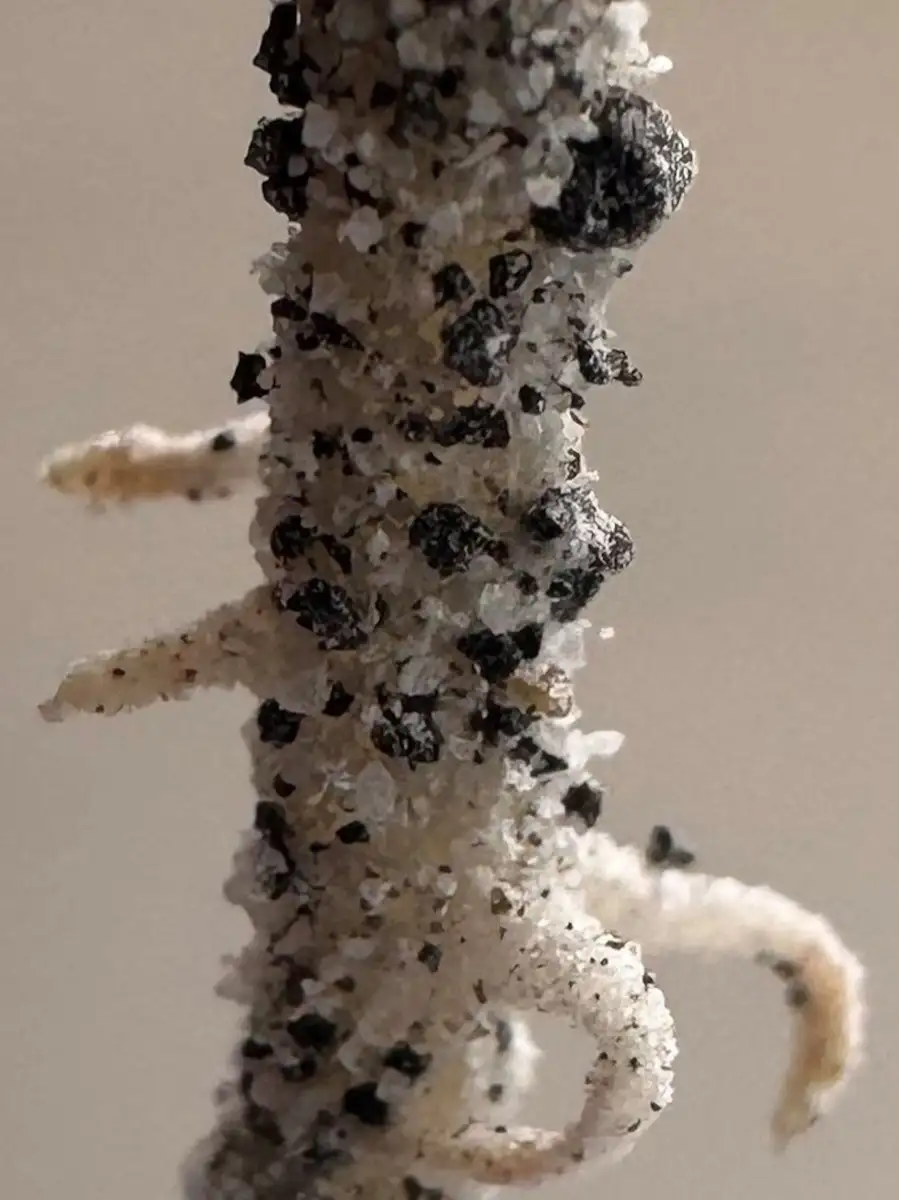
The symbiotic relationship between the chickpeas and certain fungi played a key role. These fungi appear to assist in acquiring essential nutrients while simultaneously mitigating the absorption of potentially harmful heavy metals present in the simulated regolith. This suggests a biological mechanism may be essential for overcoming some of the inherent challenges of lunar agriculture.
"As the U.S. plans to return to the moon with the upcoming Artemis II mission, a question endures: What will future lunar explorers eat?"
The simulated soil, often referred to as simulant, was derived from lab-based sources, such as the facility in Florida mentioned in one account. The research explored varying proportions of this simulant mixed with vermicompost, a type of compost. The outcome demonstrated that while chickpeas can indeed take root and reproduce in this extraterrestrial-like medium, the density of lunar material directly impacted the yield.
The idea of 'moon dirt' has long been a subject of scientific curiosity, particularly concerning its agricultural potential. Previous experiments have explored the viability of various crops in conditions that approximate the lunar environment. This latest work with chickpeas adds a specific pulse crop to the growing list of potential candidates for space farming.
Read More: NASA Robot Mission Launched to Raise Swift Telescope Orbit, Add 10 Years
"The fungi and chickpeas work symbiotically, with the fungi taking up some essential nutrients needed for growth while reducing the uptake of heavy metals."
The visual representations of these experiments, including a picture of chickpeas growing on the moon, underscore the aspirational nature of this field of study. While the immediate goal is survival and sustenance, the long-term vision involves creating self-sufficient agricultural systems beyond Earth. The implications for future space exploration, potentially extending beyond the moon to Mars, are substantial.
The research contributes to the burgeoning field of 'extraterrestrial agriculture,' pushing the boundaries of what is considered possible in off-world cultivation. The harvested chickpeas represent more than just a crop; they are a tangible symbol of humanity's efforts to expand its reach and build a future among the stars.