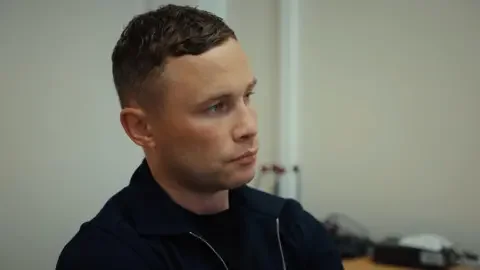
The Probation Board for Northern Ireland (PBNI) has granted television crews unprecedented access to its operational mechanisms for the documentary series Carl Frampton: On Probation, which debuted yesterday, 18 May 2026. Presented by former boxer Carl Frampton, the production tracks the daily work of probation staff as they monitor individuals within the criminal justice system and interact with crime victims.

The documentary highlights the persistent presence of childhood trauma as a recurring factor in the life stories of those under state supervision. Frampton’s investigation focuses on whether individuals burdened by past adverse experiences are capable of substantive behavioral change, and how the state balances the conflicting roles of support and enforcement.

| Element | Documentary Focus |
|---|---|
| Institutional Scope | Behind-the-scenes, administrative to field-level operations |
| Core Question | Impact of childhood trauma on reoffending cycles |
| State Role | Dual function: rehabilitative support vs. punitive accountability |
| Access | First time television cameras allowed into PBNI facilities |
Analytical Scope: The Mechanism of Oversight
The series aims to move beyond superficial reporting by embedding Frampton with probation officers tasked with "turning lives around" while simultaneously ensuring public safety.
Read More: Rob Halford Explains "Breaking the Law" Song Meaning in New Judas Priest Movie
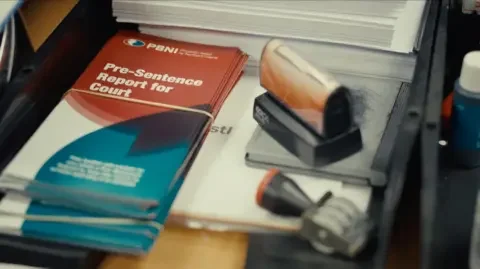
Conflict and Trauma: Research confirms that Childhood Trauma serves as a distinct predictor for future violent reoffending within Northern Ireland’s specific socio-political context. The documentary frames these histories not as excuses, but as structural realities that staff must navigate.
The Accountability Loop: The PBNI has stated that while their staff provide support, there is a hard boundary: when individuals fail to seize opportunities for change, the board pivots to holding them strictly to account. This duality—where the state simultaneously acts as a mentor and a jailer—is the central friction point of the narrative.
Background and Intent
The series follows Frampton’s previous investigations into the mental health struggles of young men in Northern Ireland. By accessing the PBNI—an organization that has historically maintained closed-door policies regarding its internal procedures—the production attempts to provide transparency regarding how the state manages recidivism.
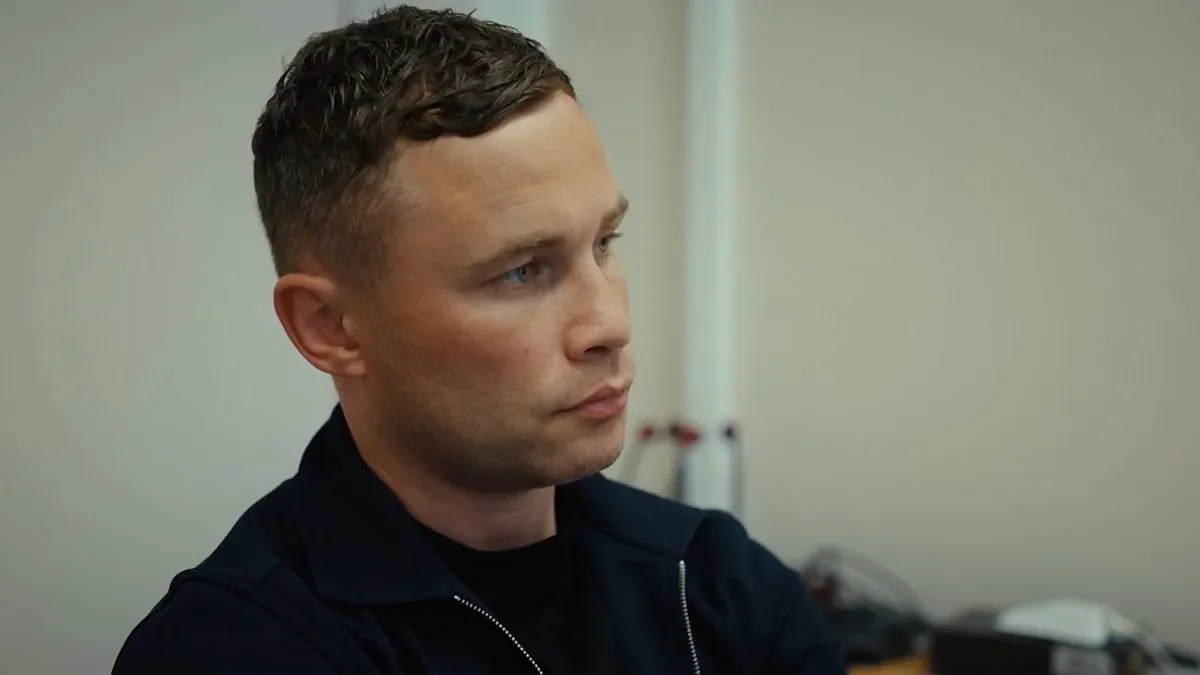
The program highlights the tension between systemic social factors, such as historical community violence, and individual legal culpability. As of today, the full six-part series is available on BBC iPlayer, offering an unfiltered view of the interplay between the justice system and the damaged histories of its subjects. Whether this documentary serves as an informative tool for social awareness or merely aestheticizes the process of institutional monitoring remains an open question.