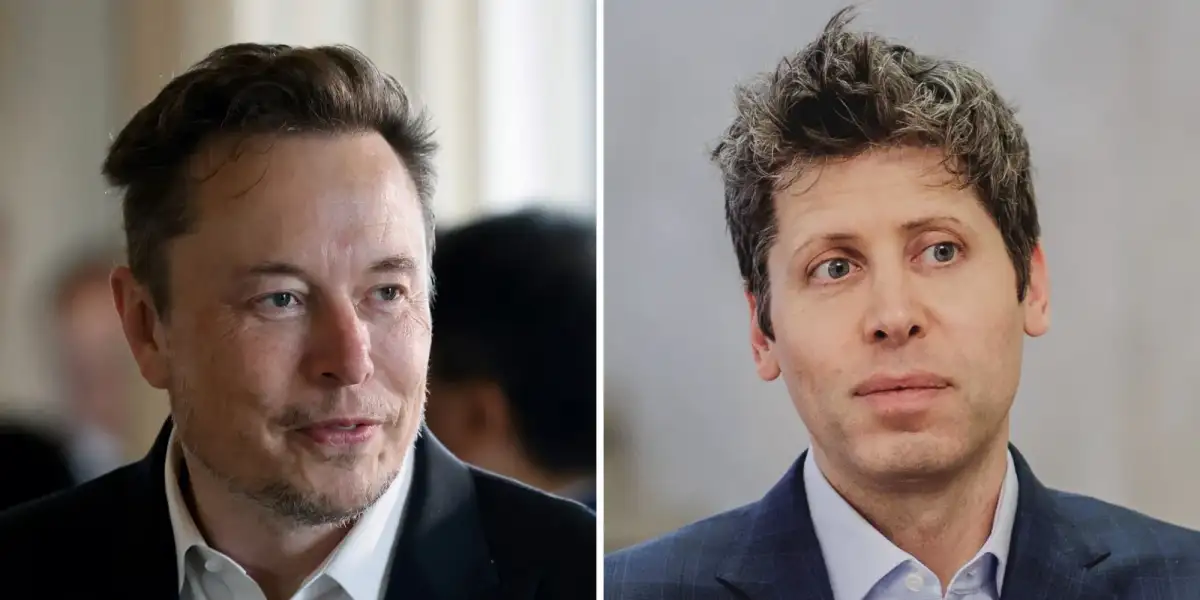
A federal jury in Oakland, California, delivered a verdict yesterday afternoon, dismissing all claims brought by Elon Musk against OpenAI, CEO Sam Altman, and President Greg Brockman. The nine-person panel deliberated for less than two hours before concluding that Musk failed to file his suit within the legally mandated window, effectively rendering his accusations moot on procedural grounds.

The court ruled that the plaintiff took notice of the alleged breaches—specifically the transition toward a for-profit model—more than three years prior to initiating legal action, thereby violating the statute of limitations.
| Core Allegation | Legal Outcome |
|---|---|
| Breach of Charitable Trust | Dismissed (Statute of Limitations) |
| Unjust Enrichment | Dismissed (Statute of Limitations) |
| Aiding and Abetting (Microsoft) | Dismissed (Statute of Limitations) |
Procedural Deadlock
Musk had sought to dismantle the for-profit entity, alleging that the leadership team "stole a charity" and abandoned the founding mission of benefiting humanity. Defense attorneys argued that Musk’s initial financial contributions were provided without restrictive conditions, negating the existence of an enforceable charitable trust. Judge Yvonne Gonzalez Rogers, presiding over the three-week trial, accepted the jury’s findings and formally dismissed the case.
Read More: Supreme Court Asks Delhi Govt About DERC Staffing Delays

"The Keywords expired because the plaintiff failed to act when the shift in corporate governance first became apparent to him."
The Aftermath
Following the announcement, Musk criticized the judicial process via his personal platform, X, and confirmed through his attorney, Marc Toberoff, that he intends to challenge the verdict in an appeals court. Microsoft, which was accused by Musk of aiding in the alleged breach of duty, issued a statement welcoming the resolution.

Contextual Undercurrents
The trial centered on the ideological and financial rift between former business partners who once collaborated on the nonprofit origins of the organization. Musk argued that the shift to a for-profit structure was a betrayal of their original mandate. Altman and the defense maintained that no perpetual non-profit promise existed and that the firm’s current path was necessary for development. The decision preserves the current corporate architecture of OpenAI, avoiding a structural collapse that could have disrupted the broader Artificial Intelligence industry's current trajectory.
Read More: Reap Seeks Engineer for Financial Partner Connections