FIRST FACE-TO-FACE MEETINGS SINCE OCTOBER BREAKDOWN
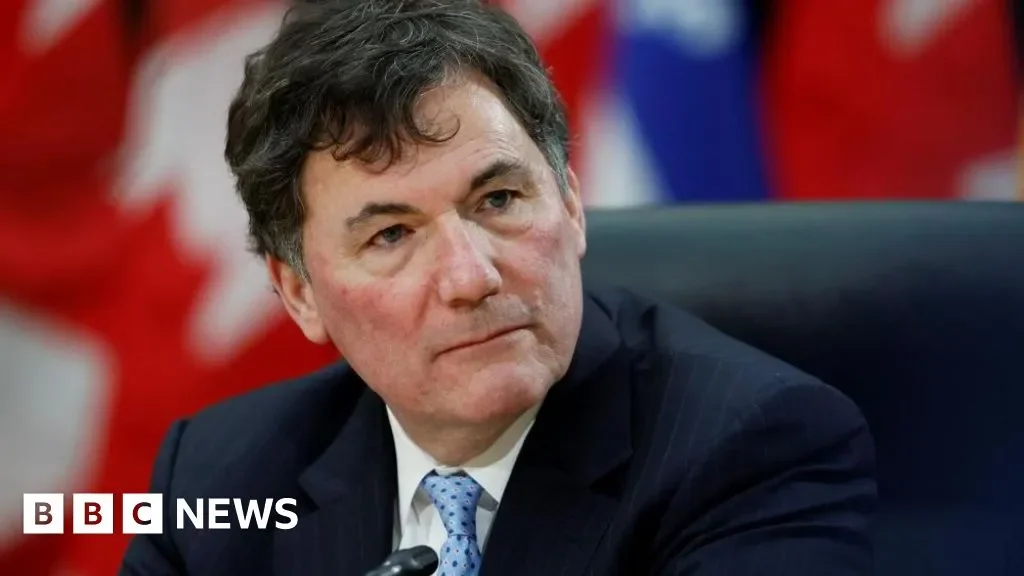
Canadian trade minister Dominic LeBlanc met with U.S. Trade Representative Jamieson Greer in Washington on Friday, marking the first direct negotiations between the two nations since formal talks stalled last fall. This resumption of dialogue signals a significant step, especially considering past pronouncements about the future of bilateral trade agreements.

The meetings focused on the upcoming mandatory review of the United States-Mexico-Canada Agreement (USMCA), a critical continental trade pact. The sessions also touched upon other "bilateral concerns," including discussions aimed at potentially removing existing tariffs affecting certain Canadian sectors. LeBlanc also used the occasion to introduce Canada's newly appointed chief trade negotiator to the United States, Janice Charette, and the new ambassador to the U.S., Mark Wiseman, to Greer.

KEY ISSUES AND POTENTIAL DEALS
Both sides have indicated a willingness to continue working on trade issues, with plans for further discussions in the coming days. Minister LeBlanc had previously indicated that a deal to remove tariffs could be integrated into bilateral agreements alongside the USMCA review. This suggests a two-pronged approach to addressing trade friction.
Read More: US May Add Tariffs on Australian Goods Due to Forced Labour

The U.S. Trade Representative's office confirmed that bilateral discussions between U.S. and Mexican negotiators are scheduled to commence the week of March 16, as part of the broader joint review of the trade agreement. The USMCA itself faces scrutiny this year, with past comments from U.S. officials casting a shadow over its long-term stability.
BACKGROUND OF TENSIONS
The timing of these renewed talks is notable. Negotiations between Canada and the U.S. were abruptly halted in October, ostensibly over a television advertisement, though the underlying issues of trade tariffs and agreement terms have long been a point of contention. The U.S. has previously imposed, and continues to discuss, tariffs on various Canadian goods, including a 50 percent tariff on Canadian-made aircraft, which has had tangible economic consequences, such as job losses in sectors like automotive manufacturing.
Read More: World Cup 2026 travel rules block teams and referees in April 2026
The current administration in Canada, under Prime Minister Mark Carney, has publicly expressed a desire to diversify Canada's economic partnerships, partly due to a perceived unreliability in trade relations with the United States. Despite this, the necessity of resolving bilateral trade issues remains paramount.