Gigantic Wave Unleashed in Tracy Arm Fjord
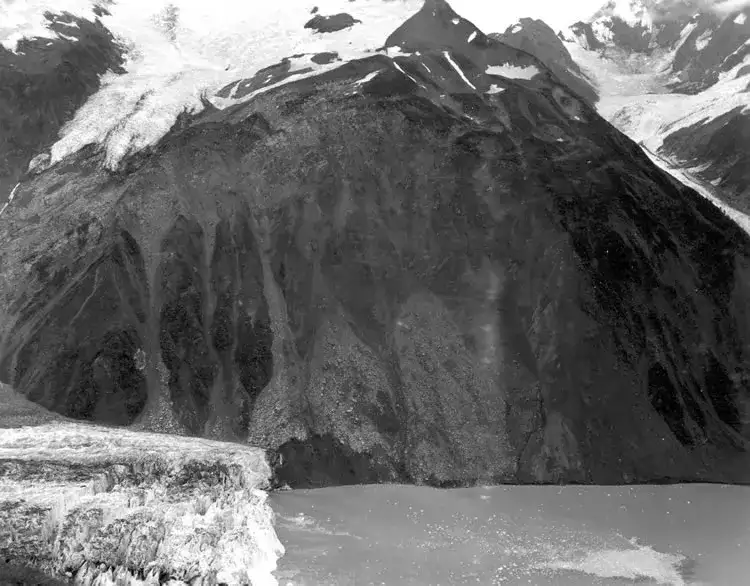
A colossal wave, estimated to be nearly 500 meters tall, surged through Alaska's remote Tracy Arm Fjord last summer. This immense surge, triggered by a massive landslide, now stands as the second-largest megatsunami ever documented. The sheer force of the event, described as a "mountainside collapse," has led some cruise operators to suspend visits to the popular tourist destination due to safety concerns.
The sheer power of that amount of rock plunging into the fjord in under a minute created a gigantic wave almost 500 metres tall.
Lingering Dangers and Future Risks
Scientists examining the aftermath of the Tracy Arm Fjord megatsunami warn that the area will remain hazardous for an extended period. Continued rockfall and smaller landslide events are anticipated from the exposed scar left by the initial collapse. These ongoing geological shifts could potentially generate future, albeit likely smaller, local tsunamis. While the waters have reportedly calmed, the risk of further destabilization persists.
Read More: Amazon Land Use Changes Cause Disease Clusters in Brazil
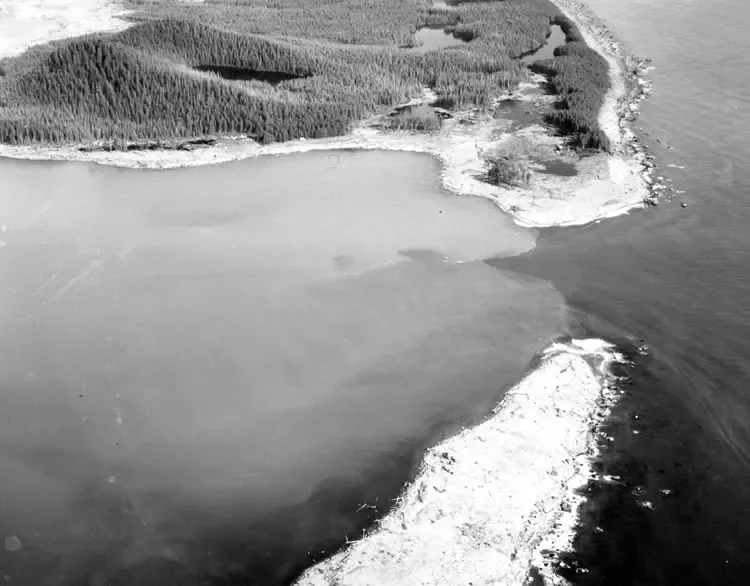
Alaska's geography, characterized by steep mountains, narrow fjords, and frequent seismic activity, makes it particularly susceptible to such megatsunamis.
The event serves as a stark reminder of nature's unpredictable and overwhelming power.
Fortunately, the Tracy Arm Fjord megatsunami occurred in an unpopulated area, avoiding human casualties.
Historical Precedent: Lituya Bay
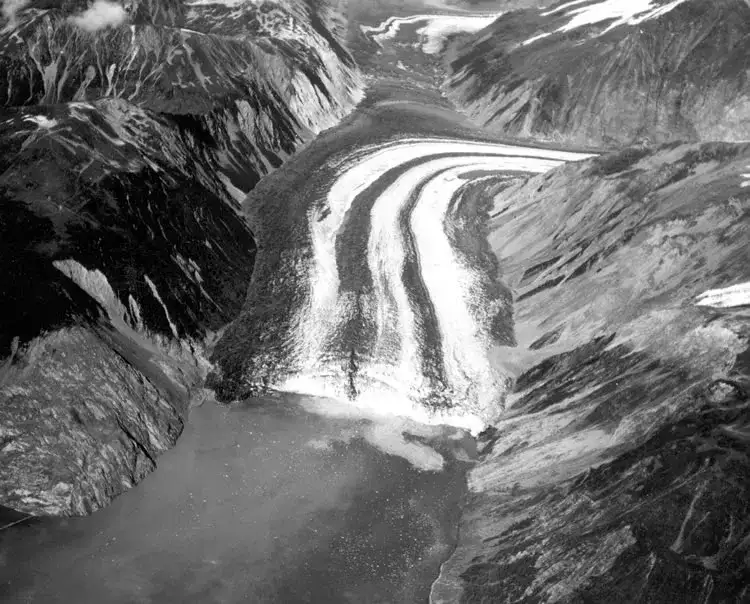
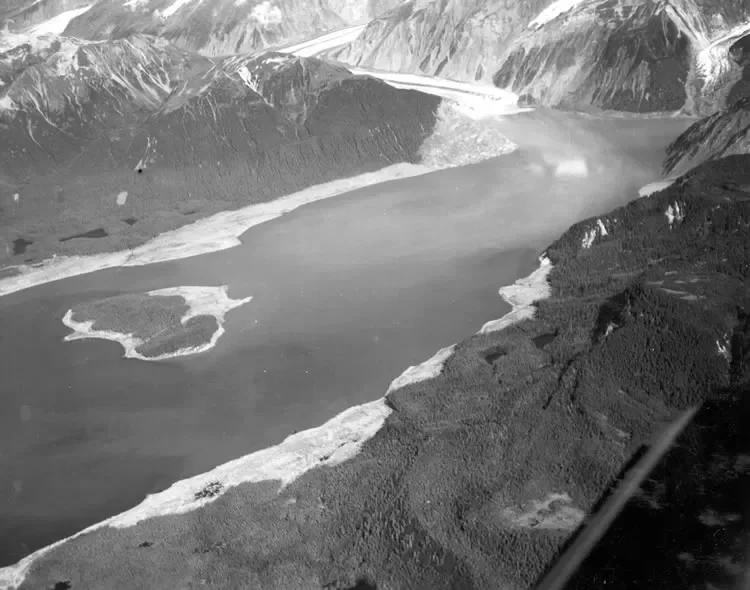
This recent event in Alaska echoes the Lituya Bay megatsunami recorded on July 9, 1958. That colossal wave, reaching an astonishing 1720 feet (over 520 meters), was also caused by a landslide into a confined body of water. The Lituya Bay event fundamentally challenged existing scientific understanding and underscored the immense destructive capacity of these rare but potent natural phenomena.
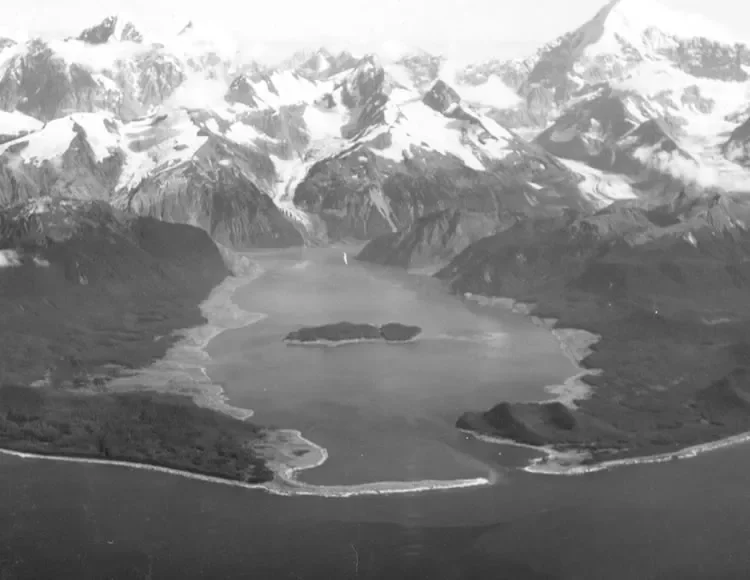
"Any large movement of land in or near the ocean can generate a tsunami: earthquakes, landslides, or volcanic eruptions." - Alaska Earthquake Center
Understanding Megatsunamis
Megatsunamis, distinct from typical seismic tsunamis, are primarily generated by massive underwater or near-water landslides. The displacement of water by such large-scale geological events creates extraordinarily tall waves. Alaska's geological makeup, prone to both landslides and earthquakes, makes it a prime location for these events. Awareness and safety protocols are deemed crucial for anyone in coastal Alaska.
Research following the Tracy Arm event aims to improve understanding and potentially mitigate risks associated with future megatsunamis.
The study of such extreme events provides vital data for hazard assessment and safety planning.