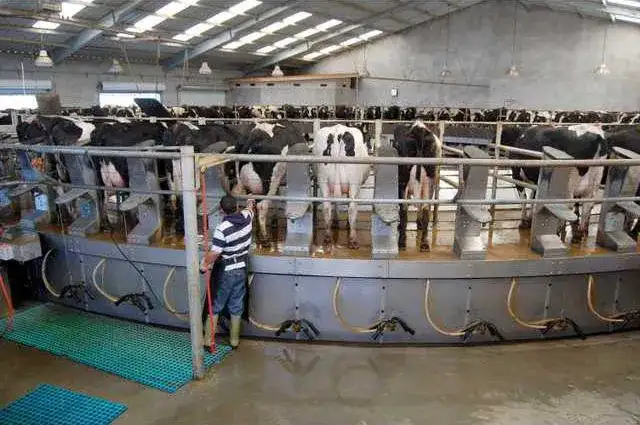
A recent analysis by Stanford researchers highlights structural failures in the regulatory monitoring of Confined Animal Facilities (CAFs) across California. Under the Porter-Cologne Water Quality Control Act, these facilities are mandated to submit annual reports on waste management practices to Regional Water Quality Control Boards. The data indicates that current oversight mechanisms frequently fail to capture accurate metrics, leaving a persistent blind spot regarding the discharge of manure and wastewater into the regional ecosystem.
| Metric | Regulatory Requirement | Reported Reality |
|---|---|---|
| Compliance | Mandatory annual reporting | Inconsistent data submission |
| Enforcement | Water quality oversight | Reactive, fragmented response |
| Focus | Pollution mitigation | Often shifts to bureaucratic output |
Core insight: The administrative layer designed to safeguard water quality remains disconnected from the physical volume of waste generated by industrial-scale livestock operations.
The Triple Constraint
The industry faces a tightening intersection of regulatory pressure, water scarcity, and infrastructure shift. Operators are navigating:
SGMA (Sustainable Groundwater Management Act): Restrictions that limit extraction rights.
Economic Contraction: Projections suggest a potential 10% reduction in dairy herd populations by 2040, driven largely by the high cost of regulatory compliance.
Infrastructure Volatility: Political friction surrounding dam removal and water allocation priorities in the Central Valley.
"The regulatory environment is becoming a double squeeze—operational costs are ballooning while the underlying water rights necessary for long-term viability face existential threats," according to regional industry summaries.
Technical Limitations in Waste Mitigation
Beyond administrative hurdles, physical management of dairy waste remains complex. University of California Cooperative Extension (UCCE) programs note that water intake and mineral content in feed—specifically when Total Salts (TS) exceed 500mg per liter—directly correlate to the volume of manure excretion. Efforts to minimize environmental impact are hampered by the inability to effectively track these inputs across thousands of independent dairy sites, further complicating attempts to satisfy the Porter-Cologne Act.
Read More: Amazon Land Use Changes Cause Disease Clusters in Brazil
Background: The Legacy of Pollution Concerns
The tension between industrial dairy operations and groundwater health is not nascent. Advocacy organizations such as Food and Water Watch have for over a decade highlighted potential contaminants in the Central Valley water supply, including nitrates, E. coli, and trace pharmaceuticals. Critics of existing oversight boards argue that a failure to enforce discharge permits facilitates groundwater degradation. Conversely, dairy industry representatives maintain that focus on regulation ignores the technical challenges and proactive water-use strategies currently being implemented by producers. The conflict remains locked in a recursive cycle: stricter reporting requirements generate more data that regulatory boards often lack the capacity to synthesize into meaningful enforcement.
Read More: University of La Verne 2026 admissions and rankings update
Keywords: Porter-Cologne Water Quality Control Act, Groundwater Contamination, Confined Animal Facilities