Climate Change Alters Rodent Havens, Raising Hantavirus Spillover Fears
New models suggest climate change is set to reshape weather patterns, directly influencing the distribution of rodents that carry hantavirus. This shift is poised to elevate the risk of these viruses jumping from animals to humans. Evidence points to this phenomenon in southern South America, where researchers have identified eleven hantavirus genotypes linked to human illness across thirteen rodent species. The Andes hantavirus strain, in particular, is under scrutiny due to its capacity for human-to-human transmission.
Cruise Ship Outbreak Highlights Transmission and Gaps
An outbreak aboard the international cruise ship MV Hondius has brought hantavirus into sharp focus. The incident underscores the potential for silent spread and severe respiratory complications within travel networks, particularly with strains like the Andes hantavirus capable of human-to-human transmission. While most hantaviruses transmit via animal-to-human contact, the Andes strain can spread between people. This has led to confirmed cases and deaths, prompting contact tracing among passengers who departed the vessel. Health experts suggest some infections on the ship may have occurred between individuals through close contact.
Read More: India IVF Costs And Social Barriers Limit Access In April 2026
Human-to-Human Spread and Public Health Concerns
The MV Hondius outbreak, specifically involving the Andes hantavirus strain, is notable because this variant can spread from person to person. This capability distinguishes it from other hantaviruses that primarily infect humans through contact with infected rodents. Such transmission pathways, similar to other severe respiratory viruses, can trigger an excessive inflammatory response. The outbreak illuminates significant deficiencies in public health systems, raising concerns about swift responses to current situations and preparedness for future widespread pathogen threats.
Uncertainty on Pandemic Potential
Despite its severity, experts argue hantavirus is unlikely to become the next pandemic. Its extreme lethality is considered a limiting factor; individuals sicken rapidly once symptoms manifest, often incapacitating them before they can widely transmit the virus. If hantavirus were a respiratory virus that spread asymptomatically, its pandemic potential would be considerably higher. The recent cruise ship event, though concerning, has not been framed as a high-consequence virus by some health officials, a fact deemed "disconcerting" by some observers given the observed response.
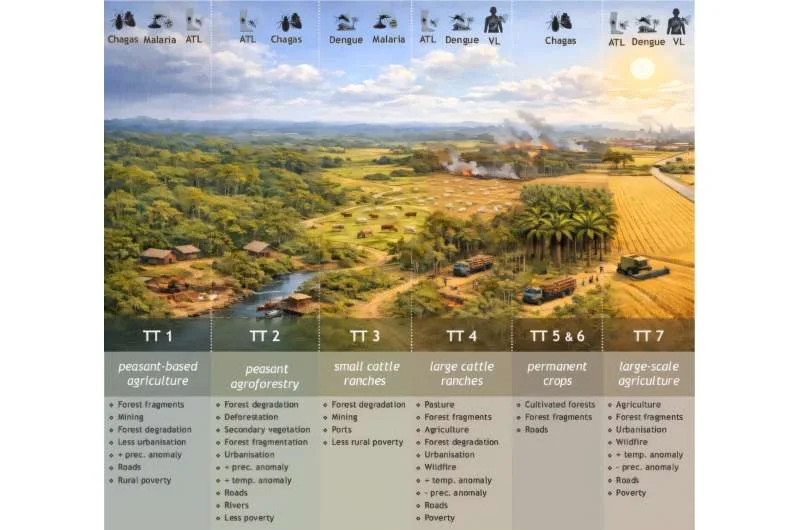
Read More: Amazon Land Use Changes Cause Disease Clusters in Brazil
Background: Hantaviruses and Their Impact
Hantaviruses are a group of viruses carried by rodents. When transmitted to humans, they can cause two distinct types of disease, depending on the specific strain. In the New World, these include arenaviruses like the Guanarito virus (Venezuela and Colombia), Machupo virus (Bolivia and Paraguay), and Junin virus (Argentina), all of which can lead to severe hemorrhagic fevers with high hospitalization rates. Two new hantavirus genotypes were recently identified in Argentina. The identification of new strains and their spread within human populations, especially when combined with changing environmental conditions, warrants continued scientific observation.