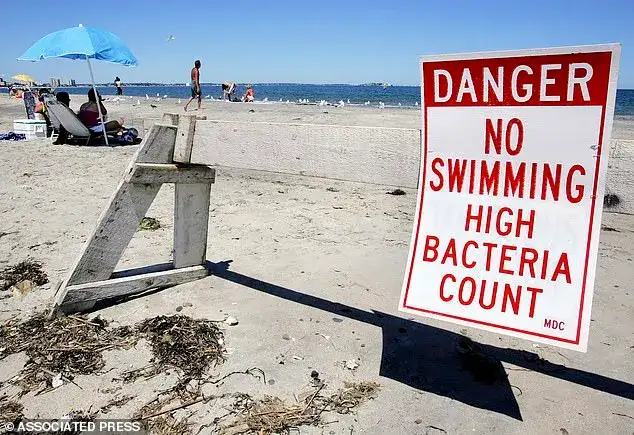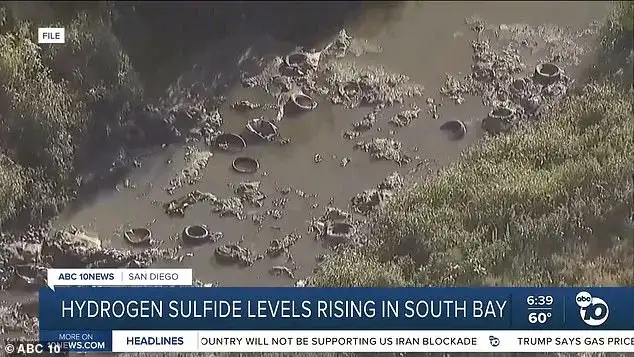
Millions of gallons of untreated sewage from Mexico's Tijuana River continue to pour into the Pacific, creating a recurring biohazard crisis along the Southern California coastline. The contamination has led to widespread beach closures and health advisories, impacting communities from San Diego County to as far north as implied by the sheer volume of the flow. Recent data indicates persistent and severe bacterial levels, with some beaches, like Tijuana Slough, being closed for hundreds of days over the past five years. This persistent pollution extends beyond the water, with elevated levels of airborne contaminants like hydrogen sulfide detected in coastal areas.
Persistent Contamination & Health Warnings
The Tijuana River Valley serves as the conduit for this vast flow of waste, stemming from inadequate and overloaded wastewater treatment infrastructure, broken pipelines, and poor stormwater management in Tijuana, Mexico. This has resulted in frequent and prolonged closures of beaches near the border, including well-known spots like Imperial Beach, Silver Strand, and Coronado Beach.
Read More: Amazon Land Use Changes Cause Disease Clusters in Brazil
Beach Closures: San Diego County has documented 73 beach closures across the area in the last five years due to unsafe bacteria levels.
Extreme Cases: Tijuana Slough, the closest beach to the Mexican border, has faced closure on 333 occasions in the same five-year period.
Air Quality Concerns: Elevated levels of hydrogen sulfide, a gas associated with wastewater, have been detected in the air, impacting local air quality.
"Sewage can also impact air quality, with local counties detecting elevated levels of hydrogen sulfide in the air from wastewater and sewage flows from the Tijuana River Valley earlier this year."
Wider Scope of Beach Safety Concerns
The issues along the California coast are not isolated incidents. A recent report indicates that a significant percentage of U.S. beaches tested in 2024 showed potentially unsafe contamination levels.
Nationwide Trends: 61% of U.S. beaches tested in 2024 had contamination levels exceeding safety thresholds on at least one day.
Regional Variations: The West Coast, Gulf Coast, East Coast, and Great Lakes all show substantial percentages of beaches exceeding EPA safety guidelines.
Common Sources: Polluted runoff, failing sewer systems, and industrial operations are identified as common culprits for beach contamination.
"Now is not the time to slash the water infrastructure funding that communities sorely need to stop the flow of nasty bacteria and pollution to our beaches."
A History of Cross-Border Pollution
The problem of sewage contamination from the Tijuana River is not new, with documented issues dating back to at least the 1930s. Cross-border agreements and infrastructure upgrades have been attempted over the years, but relief has remained insufficient.
International Efforts: Both the U.S. and Mexico have engaged in agreements aimed at improving wastewater treatment and infrastructure, though challenges persist.
Infrastructure Needs: There is ongoing advocacy for new infrastructure to manage and clean up the Tijuana River, both on the U.S. side and to address upstream issues.
Funding Dynamics: Federal funding for such projects has seen fluctuations, with some administrations reportedly scaling back support for certain initiatives while focusing on others.
Environmental Impact and Vulnerable Communities
The contamination from the Tijuana River has also been observed from space, with NASA's EMIT instrument detecting wastewater plumes containing cyanobacteria pigments. Beyond the immediate beachgoing public, the broader issue of environmental contamination is raising concerns.
Satellite Detection: NASA satellite data has been used to identify the massive wastewater plume originating from the Tijuana River.
Endangered River Status: The Tijuana River has been named the second most endangered river in the U.S. by advocacy groups, citing pollution as a primary factor.
Broader Flooding Risks: Separate research highlights that thousands of toxic sites across the U.S. face risks from coastal flooding, with disproportionate impacts on vulnerable populations, a factor that could exacerbate existing pollution crises.
"The Tijuana River carries not just water but millions of gallons of untreated sewage."
This ongoing crisis underscores the complex interplay of transboundary pollution, aging infrastructure, and the persistent threat to public health and coastal ecosystems.
Read More: India IVF Costs And Social Barriers Limit Access In April 2026