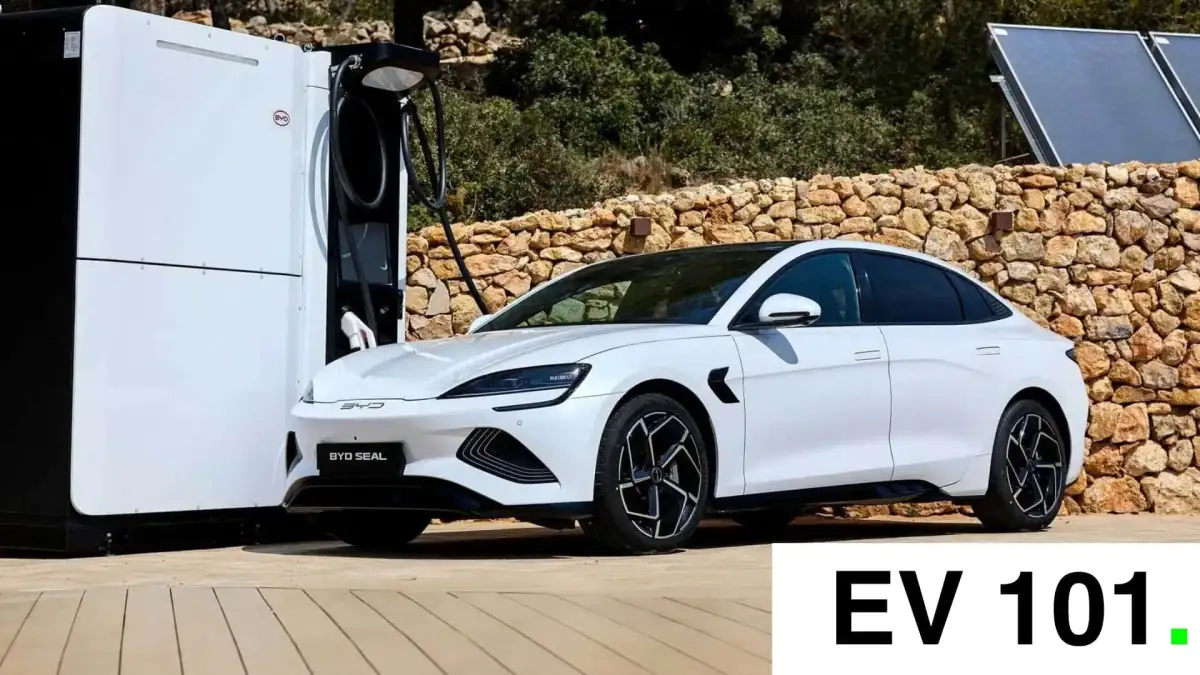
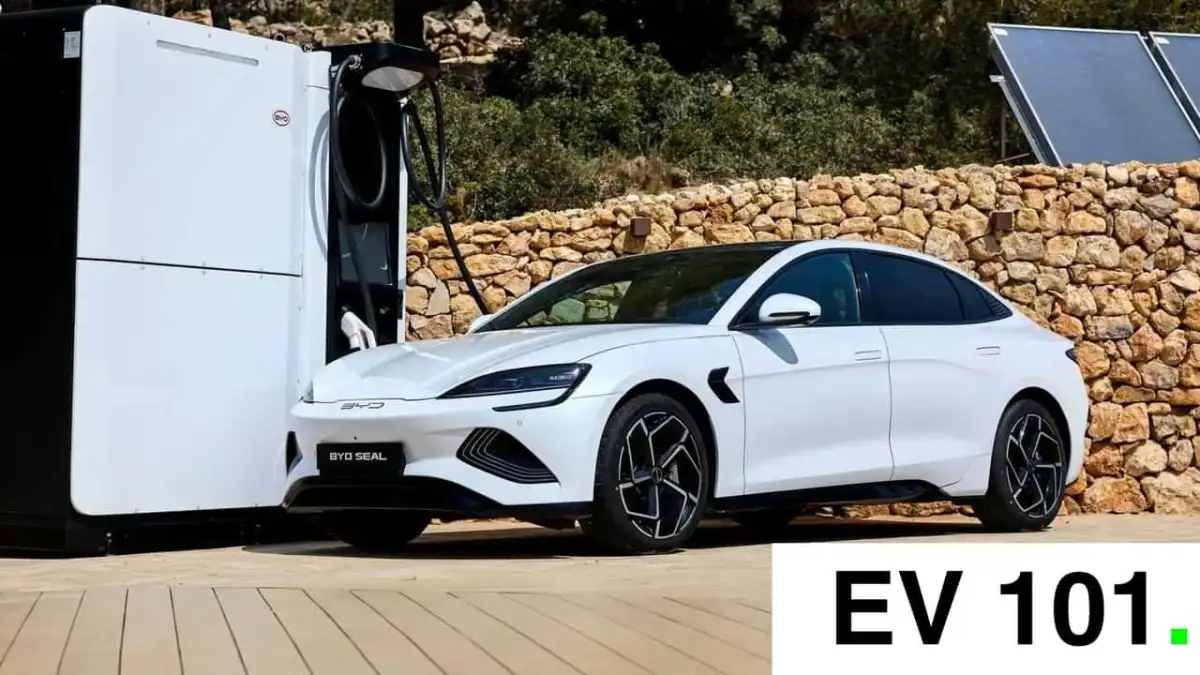
[SHANGHAI] The global automotive landscape is in a state of profound reordering. While BYD has recently claimed the mantle of the world's largest electric vehicle maker, outselling Tesla Inc., its position is far from unassailable. Fierce domestic competition and a relentless price war within China, its primary market, have begun to erode BYD's dominance, signaling a potentially turbulent period ahead. The company, despite its rapid ascent, faces scrutiny over its technological edge and product differentiation.
The narrative of BYD's ascendance is complex, marked by its success in making affordable EVs popular both in China and internationally, even without a direct presence in the crucial United States market. BYD vehicles are currently available in over 112 cities across 102 countries, spanning six continents. The automaker also produces hybrid models, contributing to its broad market appeal. However, recent reports indicate a stall in its sales momentum, with the company losing its position as China's best-selling automaker to state-owned SAIC Motor Corp. in September 2025, and posting its second consecutive quarterly profit decline in October 2025.
Read More: Tesla Model Y L 6-Seater US Launch Date and Price Details
Beyond BYD, other Chinese brands are making significant strides, leveraging technological innovation to carve out their own niches. Aito, for instance, is identified as the fastest-growing Chinese car brand, distinguishing itself by integrating advanced technology into its offerings, attracting a segment of tech-savvy consumers. This suggests a market where technological integration is becoming a key differentiator, even as established players grapple with market saturation.
The competitive environment in China remains exceptionally intense, with approximately 150 car brands and over 50 electric vehicle manufacturers vying for market share. This crowded field, coupled with aggressive price wars, has directly impacted BYD's performance. Founder and CEO Wang Chuanfu himself acknowledged a slowdown in domestic sales, attributing it to the erosion of BYD's technological lead and insufficient product differentiation. This internal assessment, reported by state-run media, underscores the challenges even a market leader faces in such a dynamic sector.
Read More: China Ethnic Unity Law starts July 1 2026 for all citizens
BYD's global ambitions are clear, but so are the hurdles. The capabilities of its vehicles, particularly regarding autonomous driving, remain a point of discussion. Despite offering affordable price points, BYD asserts that its vehicles deliver a sense of luxury, attempting to broaden their appeal. The company's ability to sustain its growth will likely depend on its capacity to innovate and differentiate itself further in an increasingly competitive global market.