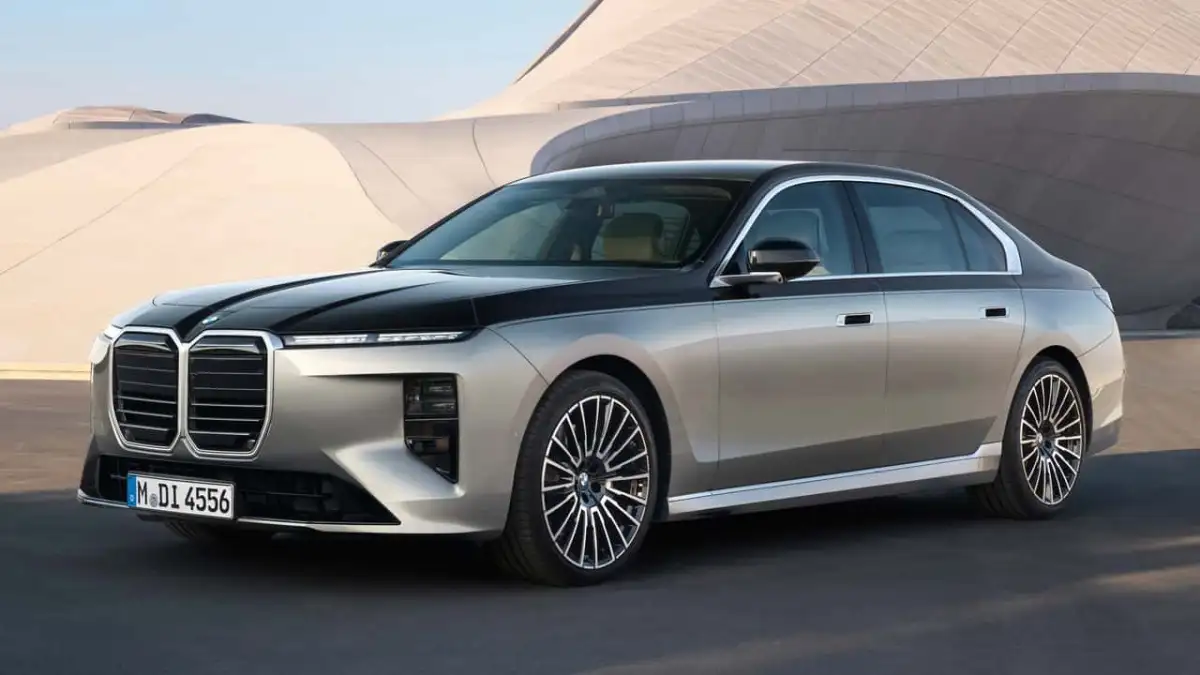
BMW's flagship sedan, the 7 Series, has undergone its most substantial mid-cycle overhaul. This refresh injects a dose of its upcoming 'Neue Klasse' design and technology, focusing heavily on an updated interior and increased electric vehicle range. The revised model aims to redefine luxury with a dashboard dominated by a panoramic display and an emphasis on digital interfaces, signaling a clear shift towards an electrified future.
The interior is arguably the most dramatically altered aspect, featuring a full-width display and incorporating elements from BMW's 'Neue Klasse' models, such as the iX3 SUV and i3 sedan. This includes a sweeping digital screen across the dashboard and a new, "oddball" steering wheel. For rear passengers, an optional 31.3-inch 8K "Theater Screen" is available, promising a cinematic experience, though it does block the rearview mirror, necessitating an optional digital rearview camera mirror.
Read More: Tesla Model Y L 6-Seater US Launch Date and Price Details
Powertrain and Range Enhancements
BMW is offering a comprehensive range of powertrain options, including petrol, diesel, plug-in hybrid, and fully electric variants. The electric i7 lineup, in particular, sees significant upgrades.
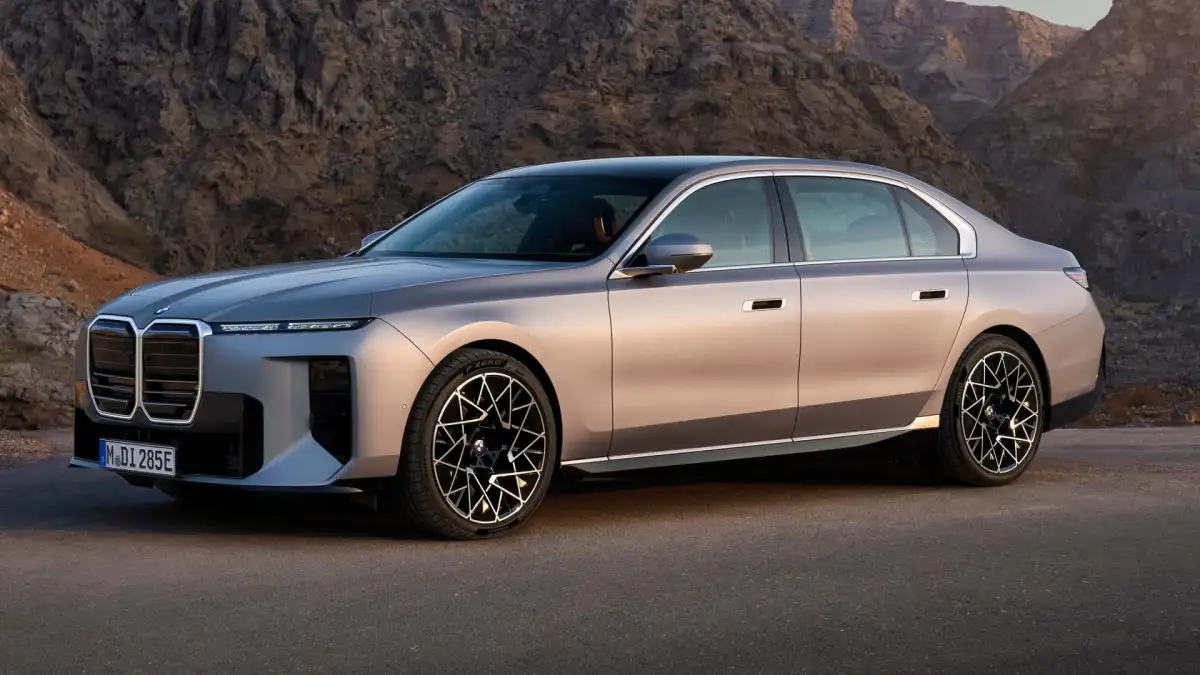
The i7 50 xDrive, i7 60 xDrive, and i7 M70 xDrive are the all-electric models.
The i7 60 xDrive is cited with up to 452 miles of range and a 0-60 mph time of 4.8 seconds.
Other electric variants, like the i7 50 xDrive, also benefit from increased range, with preliminary figures suggesting over 350 miles.
The electric models now utilize 'electrically excited synchronous motors' borrowed from the iX3, enhancing efficiency and contributing to the extended range.
Plug-in hybrid models, the 750e xDrive and M760e xDrive, combine updated straight-six petrol engines with electric motors. The 750e xDrive offers a combined output of 482 horsepower and 516 lb-ft of torque.
The gasoline-powered 740 xDrive features a new turbocharger, boosting its output to 394 horsepower and 398 lb-ft of torque, with a 0-60 mph time under five seconds.
Exterior and Chassis Updates
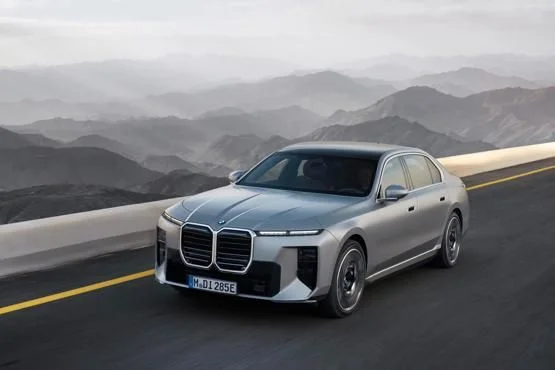
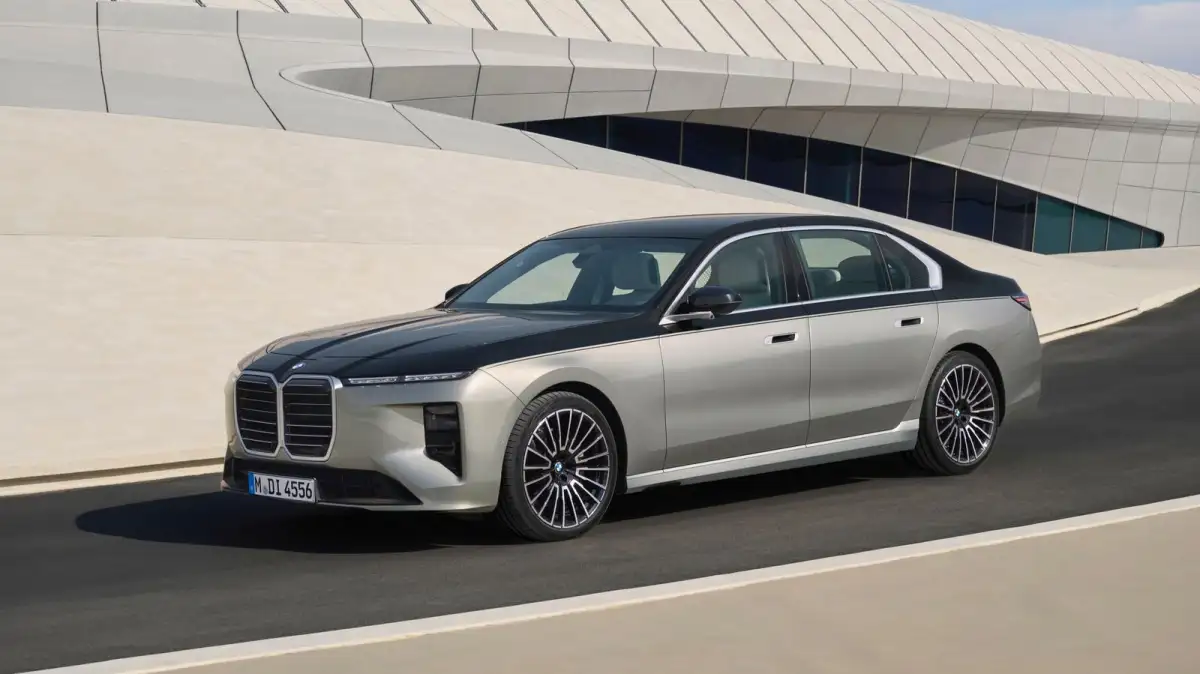
While the interior sees a radical change, the exterior modifications are more subtle.
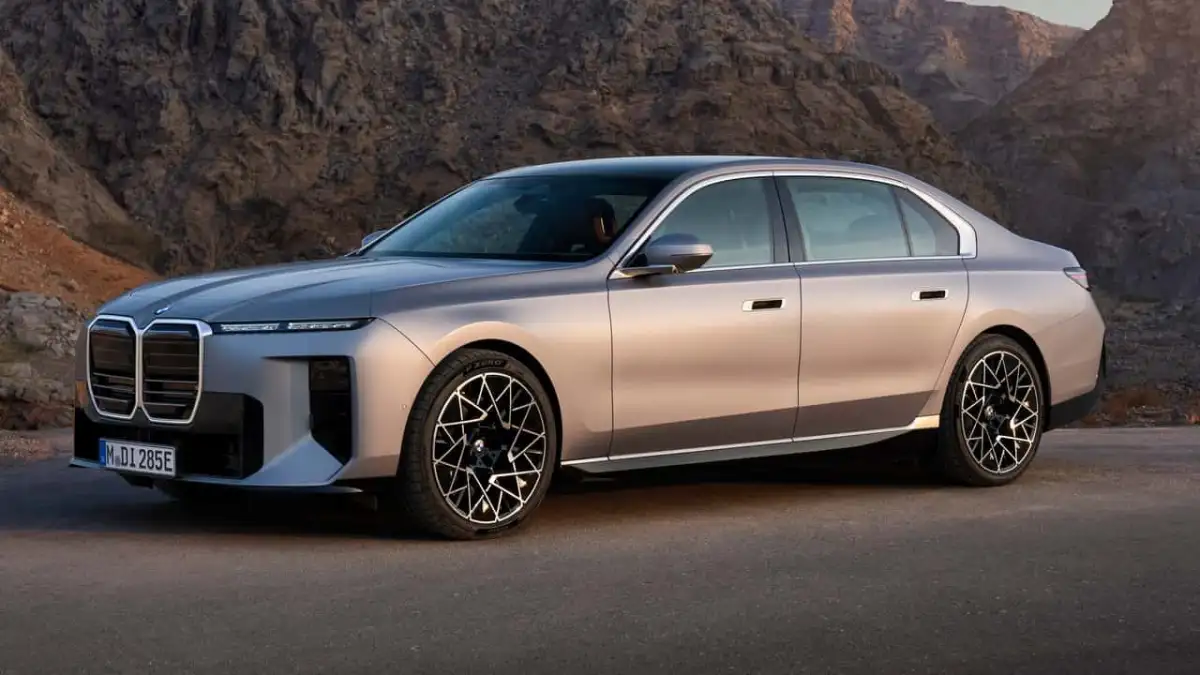
Key updates include a refreshed kidney grille, new headlights, and a redesigned BMW badge.
The overall design is described as sharpening the 7 Series' appearance without altering its visual presence.
Standard across all variants are adaptive two-axle air suspension, automatic self-levelling, and electronically controlled dampers.
Rear-wheel steering is also a standard feature, aimed at improving maneuverability.
Context and Future Direction
This significant update to the 7 Series is positioned as a "real transformation" by BMW's CEO. The incorporation of 'Neue Klasse' elements and a strong emphasis on digital and electric technology suggest BMW is using its flagship sedan as a testing ground for future models. The move towards a screen-centric interior and enhanced EV performance signals a clear pivot in BMW's luxury vehicle strategy. The models are expected to go on sale starting this summer, with plug-in hybrid variants arriving later in the year. Pricing details have not yet been announced.
Read More: Chrome mimeHandler API lets extensions handle file types