

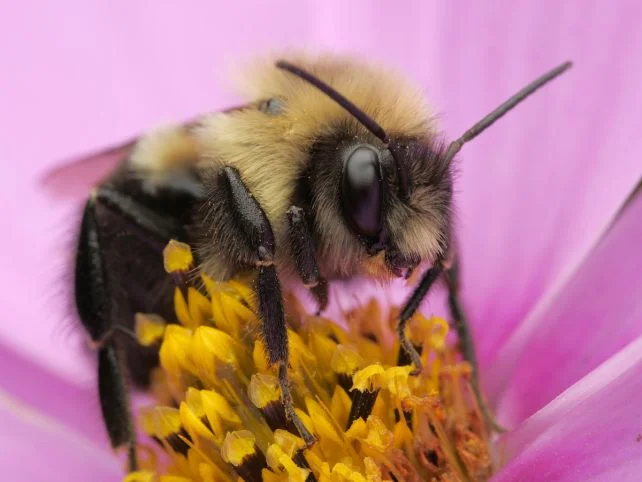
Bumblebee queens possess a remarkable capacity to survive extended periods submerged in water, a finding that challenges conventional notions of insect respiration and survival under environmental duress. Research indicates these queens can endure up to a week underwater, apparently by literally breathing in the aquatic environment. This ability appears to stem from a combination of factors that drastically reduce their metabolic demands and enable them to extract oxygen directly from water.
The mechanism underlying this submerged existence is still under investigation, though preliminary findings suggest two key survival strategies. Firstly, the queens exhibit a significantly reduced metabolic rate while underwater, meaning they require less oxygen to function. This aligns with observations of them producing carbon dioxide at considerably lower rates compared to their terrestrial counterparts. Secondly, and more astonishingly, they appear capable of extracting oxygen from the water itself. While not fully confirmed, one hypothesis involves the use of a "physical gill" – a thin layer of trapped air that facilitates gas exchange with the surrounding water. This process, coupled with their lowered energy expenditure, allows them to effectively respire while submerged.
Read More: New African Mushroom Species Changes Magic Mushroom Origin Story
This survival capability was a serendipitous discovery. Ecologist Sabrina Rondeau stumbled upon this phenomenon while simulating winter conditions for queen bumblebees in a laboratory setting, keeping them in soil-filled tubes within a refrigerated environment. Upon retrieval after extended periods, she was surprised to find many of the queens were still alive, despite having been submerged.
The implications of this discovery are significant, particularly in the context of a changing climate. Warmer winters and altered precipitation patterns may lead to increased instances of flooding in habitats where queen bumblebees overwinter. Traditionally, such flooding would be considered a dire threat, leading to drowning. However, this newfound understanding suggests that bumblebee queens may possess a built-in resilience to such events, potentially allowing them to weather even extended submersion. This could have ramifications for bee populations and colony establishment in regions prone to increased flooding.
Read More: Broccoli Stem Soup Uses Kitchen Scraps to Reduce Waste in London
The queens enter a state of diapause, akin to hibernation, during winter, burying themselves in the soil. It is during this period that they are most vulnerable to environmental shifts like flooding. Following periods of submersion, a spike in metabolic rate has been observed as the bees recover, a process likely linked to clearing accumulated lactate produced during anaerobic metabolism. The precise interplay between underwater breathing and anaerobic metabolism as survival tools is a key area for further inquiry.
"It turns out that the diapausing bumblebee queens are actually breathing underwater." - Il y a 17 heures, Smithsonian Magazine
"Included in the bumblebee survival toolkit is the remarkable ability to extract oxygen from the water around them – literally allowing them to breathe underwater temporarily." - Il y a 1 jour, ScienceAlert
"whether or how much climate change will worsen flooding in bee habitat isn’t known." - Il y a 1 jour, Science.org
The high survival rate observed, with approximately 90 percent of queens enduring up to a week submerged, underscores the effectiveness of these physiological adaptations. This research, led by Sabrina Rondeau and her colleagues, including Darveau, offers a novel perspective on insect resilience and the intricate ways life adapts to challenging environmental conditions.
Read More: Why Whale Songs Travel Further Than Squirrel Chats Explained By Science
' Bumblebee survival ' ' Aquatic respiration ' ' Climate change impact ' ' Metabolic adaptation ' ' Diapause research '