Closest Wild Relative Discovered, Shifting Focus to the Continent
A newly identified species of psychedelic mushroom, Psilocybe ochraceocentrata, found in the grasslands of South Africa and Zimbabwe, is prompting a significant reassessment of the evolutionary history of the widely recognized Psilocybe cubensis. This African species is the closest known wild relative to P. cubensis, suggesting a potential origin on the African continent millions of years ago before the latter's spread. The discovery challenges previous assumptions about the geographic roots of these psychoactive fungi.
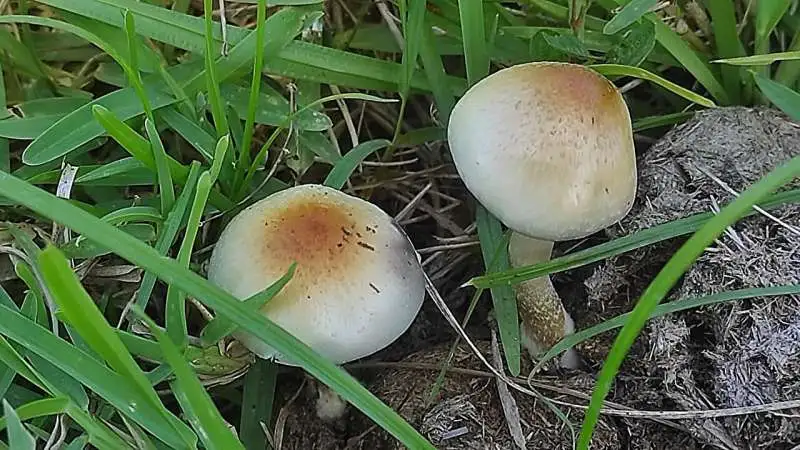
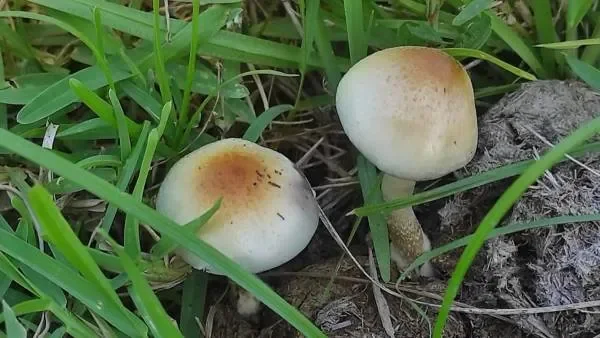
Researchers describe P. ochraceocentrata as sharing a common ancestor with P. cubensis, with genetic analysis providing new avenues for studying psychedelic mushrooms. The name itself, Psilocybe ochraceocentrata, refers to the yellowish-ochre color at the center of the mushroom cap. These findings were published in the journal Proceedings of the Royal Society B: Biological Sciences.

Rethinking Domestication and Spread
The presence of P. ochraceocentrata in Africa and its close genetic link to P. cubensis introduces complexities to the narrative of how these fungi became widespread. The study suggests that the ancestor of P. cubensis may have originated in Africa and then later moved to the Americas, potentially with the assistance of cattle. This symbiotic relationship with dung-eating animals, such as cattle, is key to the dispersal of these mushroom species. P. ochraceocentrata itself is found growing on cattle dung.
Read More: Indigenous Data Rights Now Key in Conservation Genomics

This discovery also complicates the idea of a simple "domestication" process for P. cubensis, suggesting a more ancient and geographically diverse evolutionary path. It highlights how the migration of domesticated animals may have played a crucial role in spreading fungal spores across continents.
Uncovering Hidden Diversity
Africa remains a largely under-sampled region for fungal diversity, making discoveries like this particularly significant. Researchers indicate that public genetic databases have historically contained misidentified mushroom species, potentially obscuring the true evolutionary pathways. The identification of P. ochraceocentrata provides a more accurate phylogenetic anchor point for understanding the genus Psilocybe.
Read More: Fikra API Africa Mobile Money AI Access for Developers
The research team, including scientists from Southern Africa and the United States, has made genetic resources available for further investigation into psychedelic fungi. This find underscores the rich, yet often overlooked, fungal communities present on the African continent.
Keywords: Psilocybe ochraceocentrata, Psilocybe cubensis, magic mushrooms, psychedelic fungi, evolutionary biology, mycology, phylogenetics, African grasslands, fungal biodiversity, South Africa, Zimbabwe