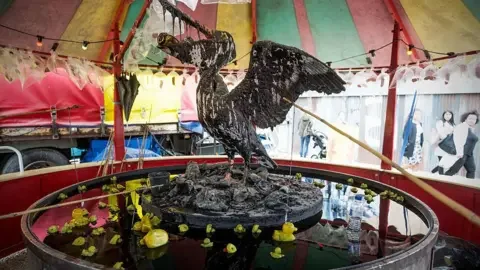
The traditional dappu drum, a resonant symbol of cultural heritage, is increasingly becoming a focal point in political discourse and welfare initiatives across Andhra Pradesh and Telangana. Recent pronouncements from the Bharatiya Janata Party (BJP) state president, P. Madhav, highlight a renewed emphasis on the instrument, framing it as a "torchbearer of Indian culture." This repositioning coincides with announced welfare measures for artistes, including pensions, employment opportunities, and recognition programs, signaling a strategic engagement with a cultural artifact deeply entwined with community identity.
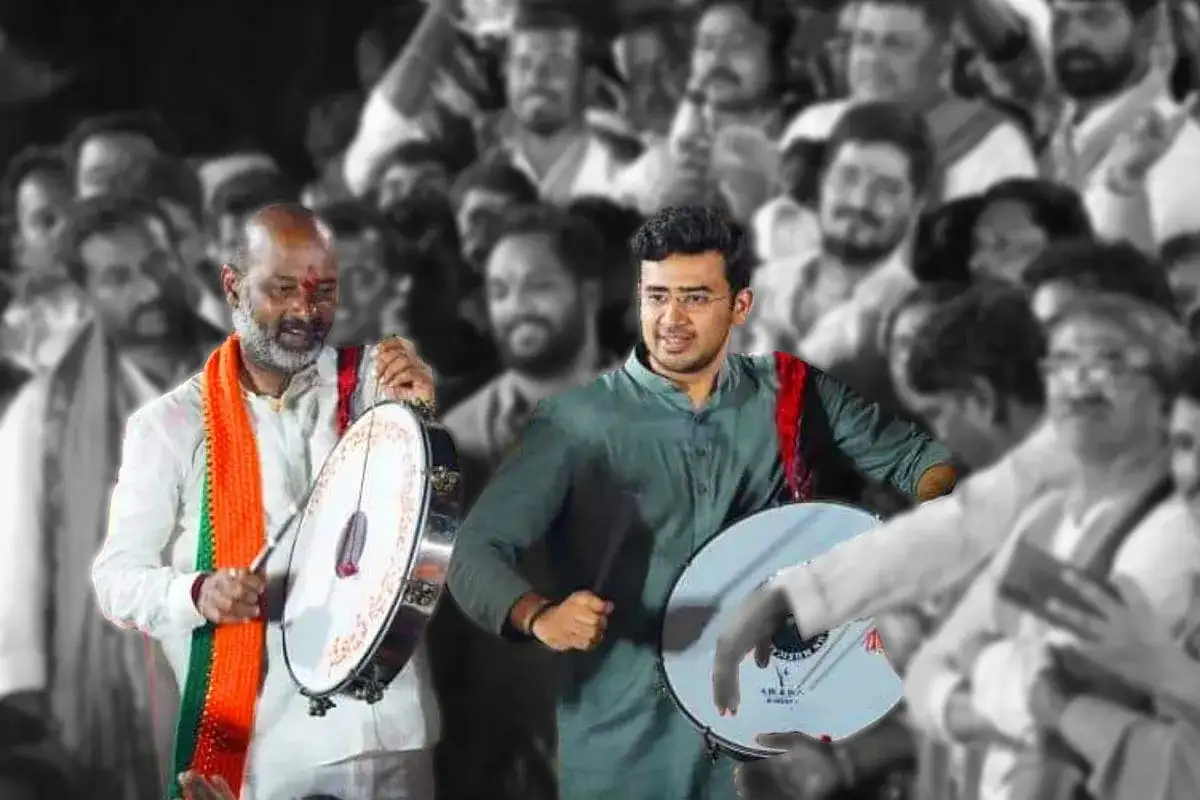
The BJP's embrace of the dappu is not without its historical paradoxes. While the instrument has long been associated with various social movements and protests, including those of Maoist and Leftist groups, its presence in BJP rallies and events is now described as a phenomenon spanning over four decades. This adoption has been observed to include performances of songs originating from Leftist movements, creating a curious juxtaposition in political assemblies. The Telangana BJP's utilization of dappu artists in their "Praja Sangrama Yatra" further underscores this trend of incorporating traditional cultural elements into contemporary political outreach.
Read More: Hungary election April 12: Orbán's Fidesz party faces new challenges from Tisza
Beyond the political arena, the dappu holds profound significance within Dalit philosophy, embodying themes of identity, resistance, and social unity. Its spiritual and cultural weight within Dalit communities is noted as a powerful force, fostering intergenerational dialogue and serving as a symbol of resistance against oppression. The creation of the dappu itself, involving the tanning of cattle hide, is also linked to the lived experiences and cultural practices of these communities.
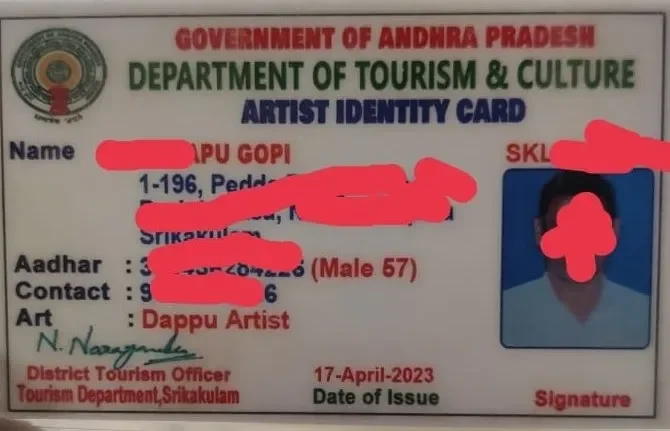
Official welfare schemes are also being implemented to preserve and promote the art form. In Andhra Pradesh, a scheme offers a monthly pension of 3000 rupees to dappu artists, contingent upon age, community (SC), and income criteria, aiming to provide social safety and recognize practitioners. The identification process involves creating unique digital and Aadhaar numbers reflected on an ID card, which then confers eligibility for various benefits. This formal recognition attempts to safeguard the traditional art form through structured support mechanisms.
Read More: Americans Score Under 23% on Easy Greek Mythology Quiz
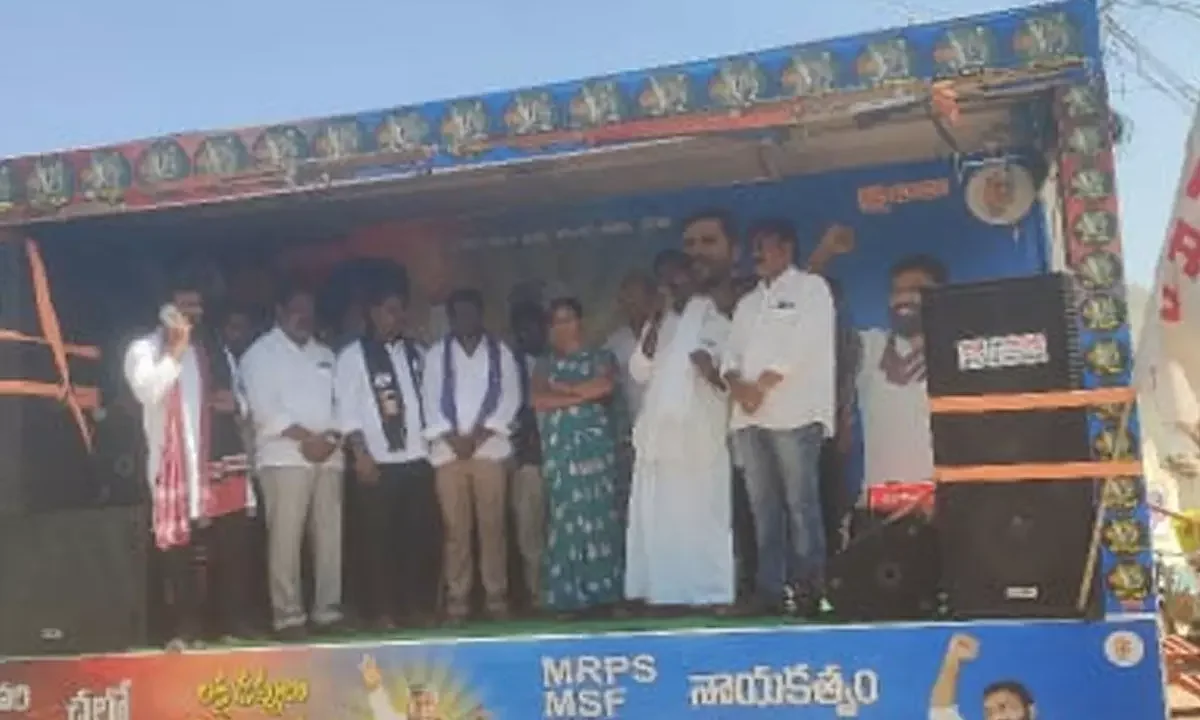
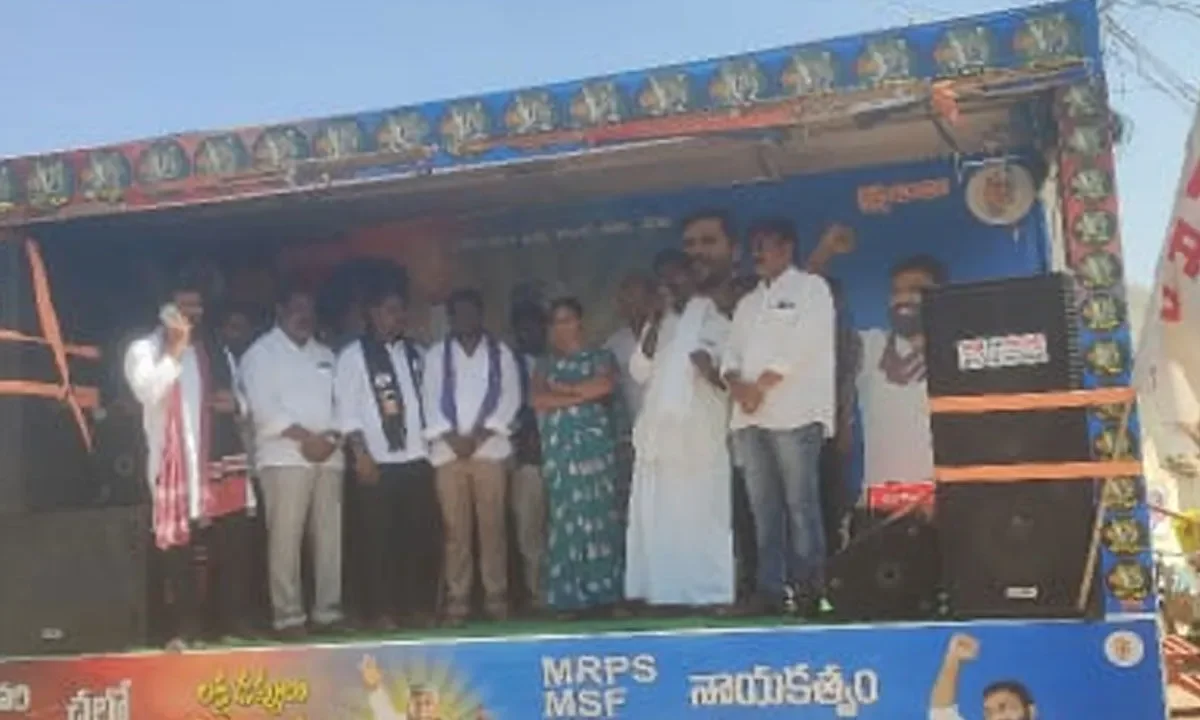
Efforts to unite and inspire specific sub-communities, such as the Madiga community in Telangana, through artistic endeavors like the "Lakh Dappu and Thousand Voices" program, further illustrate the instrument's role in cultural revival and collective identity building. The organization of Ratha Yatras and cultural events aims to channel artistic skills towards broader social and cultural objectives. Such initiatives underscore the dappu's capacity to act as a unifying force and a vehicle for cultural expression within specific community structures.
Background: The Dappu's Deep Roots
The dappu, a small, hand-beaten drum, is more than just a musical instrument; it is a cultural artifact with deep historical and social connotations, particularly within the Dalit communities of Telangana and Andhra Pradesh. Its rhythmic beats have historically accompanied significant life events, from celebrations and festivals to protests and funerals, making it an intrinsic part of community life.
Read More: Italy Minister's Relationship With Journalist Raises National Security Questions
The instrument's construction, often involving the use of dried animal hides, has direct links to the traditional livelihoods and practices of certain communities. Its sound has been described as a powerful voice, capable of conveying emotions, asserting identity, and mobilizing collective action. Historically, the dappu's association with Dalit movements has positioned it as a symbol of both cultural expression and resistance against caste-based discrimination and oppression.
However, the socio-political landscape surrounding the dappu is complex. Instances of social boycott have been reported, such as a Dalit family facing ostracization for not playing the dappu at a funeral, highlighting the deep-seated social expectations and pressures associated with its use. This underscores the instrument's multifaceted role, not just as an art form, but as a potent marker of social belonging and obligation within certain communities. The contemporary narrative sees political parties co-opting this cultural resonance, weaving the dappu into their own strategic messaging and outreach efforts, thereby demonstrating its enduring power as a symbol.
Read More: Why People Choose to Keep Some Hated Movies and TV Shows

(120).jpg)