The H5N1 bird flu virus has reached Heard Island, an Australian territory, marking the first confirmed case in birds within this region. This development underscores the ongoing spread of the highly contagious virus, which has previously affected wildlife in nearby sub-Antarctic islands and poses a potential threat to mainland Australia.
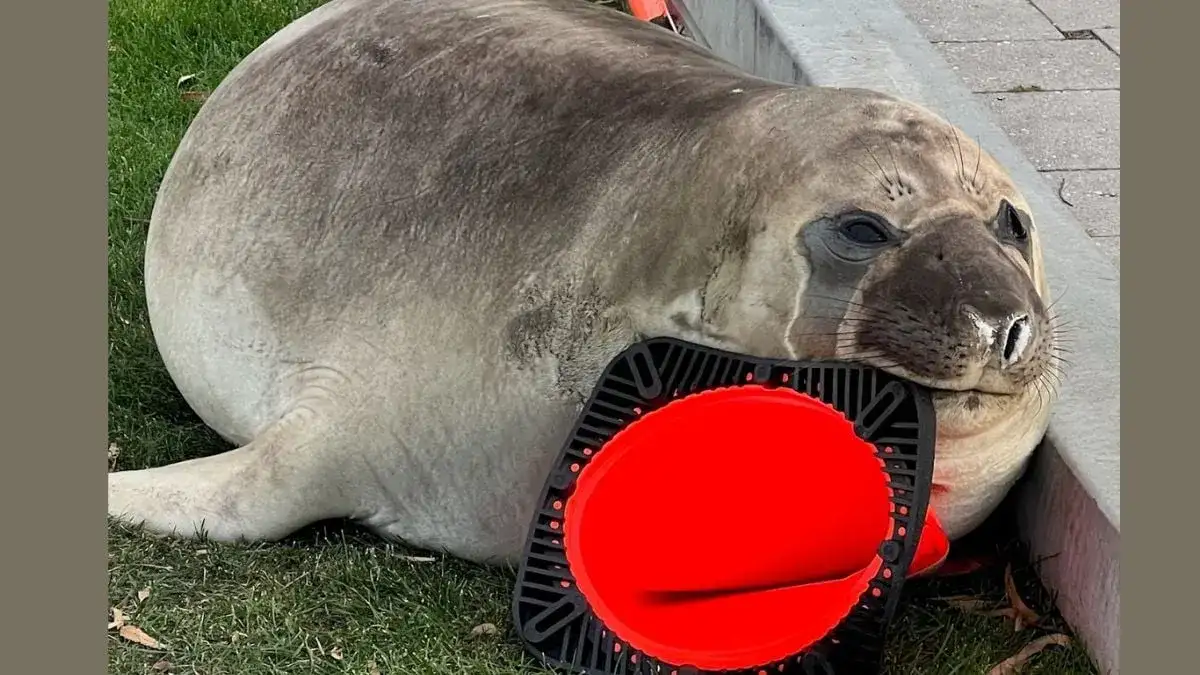
The H5N1 strain of bird flu has been detected in gentoo penguins on Heard Island, an isolated Australian territory located in the southern ocean. This finding confirms the virus's presence in bird populations within Australia's jurisdiction, extending its reach beyond previously reported cases in other sub-Antarctic locations. The virus was first identified in southern elephant seals on Heard Island in November 2025. The proximity of Heard Island to other affected regions raises concerns about further transmission.

Spread and Proximity of the Virus
The H5N1 virus has been a growing concern in avian populations globally. Reports indicate its presence in various bird species and marine mammals across different continents.
Read More: Orangutan Mothers Plan Playdates for Babies in Borneo
Sub-Antarctic Spread: The virus has already been detected on Marion Island, and the French Kerguelen and Crozet Islands, all within relatively close proximity to Heard Island. These islands are situated roughly 500km from Heard and McDonald Islands, making further spread a plausible scenario.
Proximity to Mainland Australia: The geographical distance between Heard Island and mainland Australia is significant, approximately 4,000km southwest of Perth. However, the ongoing movement of migratory birds and marine life creates a pathway for potential transmission.
Previous Antarctic Detections: In earlier events, HPAI (Highly Pathogenic Avian Influenza) was detected on South Georgia, affecting both gentoo and king penguins, as well as brown skuas. These instances highlight the vulnerability of penguin colonies to the virus. Reports from early 2024 also indicated confirmed H5N1 cases among Antarctic gentoo penguins, with concerns raised about potential wider outbreaks.
Evidence of Bird Flu in Australian Territories
The confirmation of H5N1 in gentoo penguins on Heard Island is based on laboratory testing of samples.

Heard Island Findings: Samples taken from gentoo penguins on Heard Island have tested positive for the H5N1 virus. This is the first instance of the virus being confirmed in birds within an Australian territory.
Previous Seal Infections: The virus had previously been identified in southern elephant seals on Heard Island in November 2025. This suggests the virus was circulating in the island's wildlife before its detection in penguins.
Monitoring Efforts: Organizations like BirdLife Australia have been monitoring the situation, noting the susceptibility of Heard Island's birdlife, including an endemic cormorant species, to the H5N1 strain. Preparations for potential outbreaks have been underway.
Potential Impact on Wildlife
The H5N1 virus is known for its high contagiousness and lethality, posing a significant threat to bird populations, particularly those with limited prior exposure.
Vulnerability of Penguin Colonies: Gentoo and king penguins, along with other Antarctic bird species, are at risk. Reports from early 2024 noted that Antarctic penguins likely lack existing immunity to this specific strain, increasing their vulnerability. Scientists have confirmed deaths in some Antarctic penguin species due to H5N1.
Wider Ecosystem Threat: The virus has the potential to infect a wide range of bird species and marine mammals in the Antarctic region, potentially impacting 48 bird species and 26 marine mammal species.
Global Impact: The virus has already caused widespread mortality in seabirds, wild birds, and poultry in other parts of the world, leading to the deaths of millions of birds.
Concerns for Australian Mainland
While the direct proximity of Heard Island to mainland Australia is vast, the potential for the virus to spread remains a critical concern for biosecurity agencies.
Uncertain Transmission Pathways: The exact mechanisms by which the virus might reach the Australian mainland are subject to ongoing assessment. Factors such as migratory bird patterns and ocean currents are considered potential vectors.
Absence of Virus in Australian Antarctic Territory: As of late 2025, there were no confirmed traces of bird flu in the Australian Antarctic Territory, according to reports from ABC News. However, the situation on sub-Antarctic islands like Heard Island requires continuous vigilance.
Biosecurity Preparedness: Australia, through organizations like BirdLife Australia, has been engaged in monitoring and preparing for potential H5 bird flu outbreaks, underscoring the seriousness of the threat.
Expert Perspectives
Scientists and researchers are closely observing the spread of H5N1, emphasizing the need for continued surveillance and data collection.
"The arrival of H5 bird flu on Heard Island has the potential to devastate much of the rich birdlife which inhabits this remote territory." - Implied by BirdLife Australia's reporting.
"Highly pathogenic avian influenza (HPAI) has been detected for a second time in Antarctic penguins, this time on South Georgia…" - Announcement from a British research team and South Georgia's government.
"Scientists have confirmed the first known deaths from a contagious and highly pathogenic avian influenza strain called H5N1 in some Antarctic penguin species." - As reported by PopSci.
Conclusion and Next Steps
The confirmation of H5N1 in gentoo penguins on Heard Island is a significant development in the ongoing spread of the virus. It highlights the interconnectedness of wildlife populations across remote oceanic territories and the potential for rapid transmission.
Surveillance and Monitoring: Continued and intensified surveillance of bird and marine mammal populations on Heard Island, McDonald Island, and surrounding sub-Antarctic regions is crucial.
Biosecurity Measures: Reinforcing biosecurity protocols for any personnel or vessels interacting with these remote territories is essential to prevent indirect transmission.
Understanding Transmission: Further research into the specific transmission pathways of H5N1 within these island ecosystems and towards continental landmasses is needed.
Data Collection: Securing baseline data on the health and populations of wildlife in these vulnerable regions before potential devastating outbreaks is a priority for understanding long-term impacts.
Sources Used:
Read More: Hunter Region Gets $12 Billion Train Factory
The Guardian: https://www.theguardian.com/environment/2026/feb/17/gentoo-penguins-h5n1-bird-flu-virus-heard-island-australian-territory (Published Feb 17, 2026) - Details H5N1 confirmation in gentoo penguins on Heard Island, an Australian territory, and its spread from other islands.
CIDRAP: https://www.cidrap.umn.edu/avian-influenza-bird-flu/avian-flu-detected-again-antarctic-penguins (Published Mar 12, 2024) - Reports HPAI detection in gentoo and king penguins on South Georgia.
ABC News: https://www.abc.net.au/news/2025-12-26/bird-flu-threat-looms-over-australian-antarctic-territory/106171164 (Published Dec 25, 2025) - Discusses the threat of H5 bird flu to the Australian Antarctic Territory, noting its absence there as of that date.
BirdLife Australia: https://birdlife.org.au/news/the-birds-of-heard/ (Published Nov 17, 2025) - Introduces Heard Island's birdlife and notes the potential devastation of H5 bird flu on the island.
Popular Science: https://www.popsci.com/environment/antarctic-penguins-bird-flu-deaths/ (Published Jan 30, 2024) - Confirms first known deaths from H5N1 in Antarctic penguin species and mentions possible king penguin cases.
Earth.Org: https://earth.org/avian-flu-detected-in-antarctic-penguins-for-the-first-time-raising-concerns-over-major-outbreak/ (Published Jan 31, 2024) - Reports on the initial spread of a deadly avian flu among Antarctic gentoo penguins.
Science Times: https://www.sciencetimes.com/articles/48507/20240202/avian-flu-detected-gentoo-penguins-first-time-sparks-fear-infection.htm (Published Feb 2, 2024) - Confirms avian flu cases in Antarctic gentoo penguins and the potential threat to numerous species.
IFL Science: https://www.iflscience.com/the-first-penguins-have-died-from-bird-flu-as-it-reaches-antarctica-72732 (Published Feb 1, 2024) - Reports on the first penguin deaths from bird flu in islands between the Antarctic mainland and South America, noting it had not yet reached the mainland.