The term "female," in its most basic biological sense, refers to an organism that produces ova, or egg cells. This is a foundational element of sexual reproduction, distinguishing biological sex via gamete size. The word itself, used as a noun to denote an individual, has roots dating back to the fifteenth century, sometimes appearing in the phrase "the female of the species."
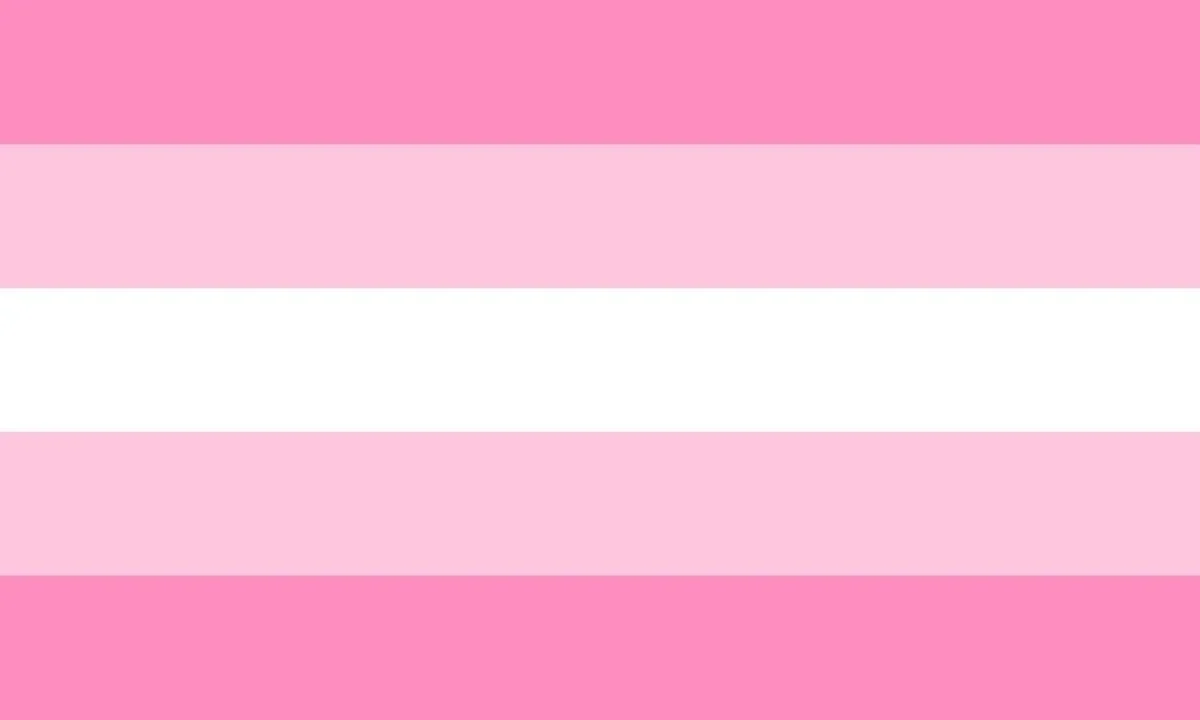
INTERSECTIONS OF BIOLOGY AND IDENTITY
While biologically defined by egg production, the understanding of "female" has expanded. It intersects with concepts of "woman," a term often tied to social roles and expectations. All women are understood as female, but the reverse is not universally true. This distinction acknowledges that identity and biological classification are not always congruent.
NUANCES IN GENDER AND EXPRESSION
The contemporary landscape acknowledges a spectrum of identities under the "female" umbrella. This includes cisgender, transgender, genderqueer, and non-binary women. The common assumption that being assigned female at birth (AFAB) directly equates to identifying as a woman is also challenged. Similarly, feminine gender expression does not exclusively belong to women. Casual terms like "gal" are sometimes used, typically for younger women.
Read More: Indigenous Data Rights Now Key in Conservation Genomics