


New findings from Costa Rica reveal that a plant's evolutionary trajectory can be steered by its most effective pollinator. While bees might visit flowers more frequently, it is the hummingbird's more efficient pollen transfer that exerts a stronger selective pressure, driving changes in floral color, shape, and scent.
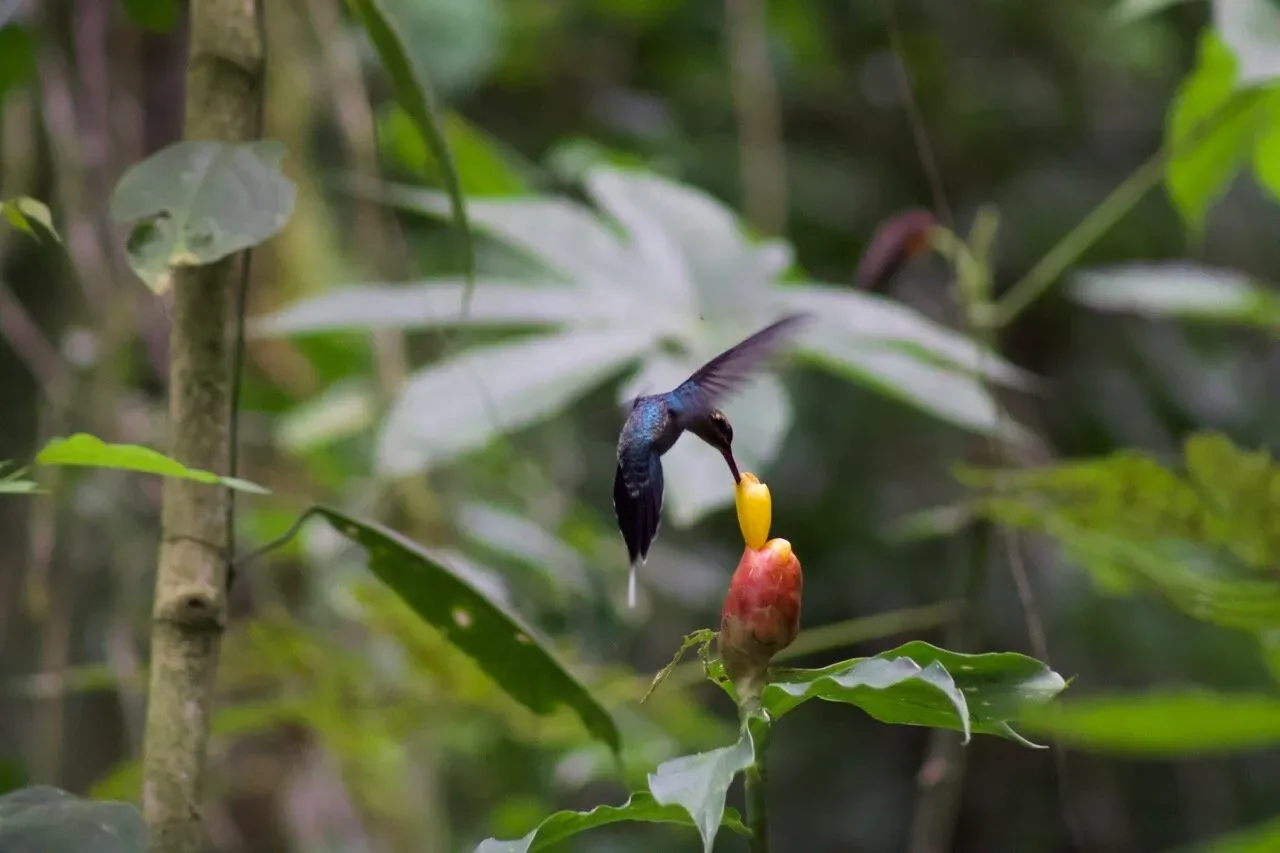
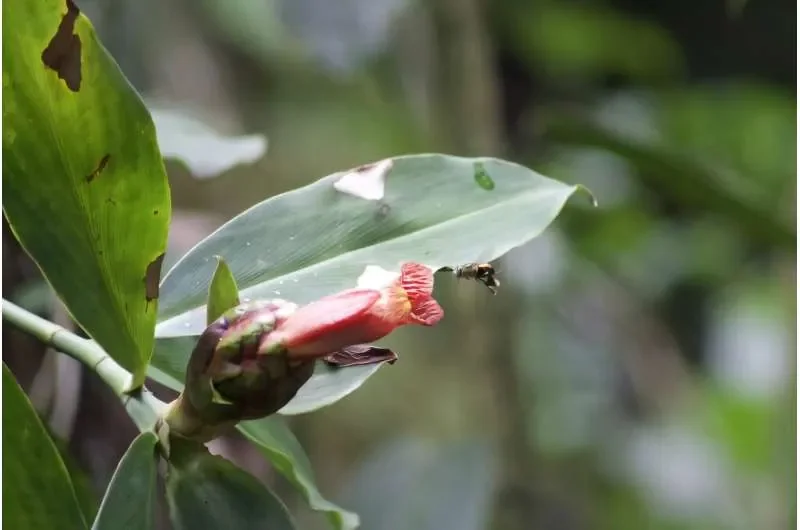
This discovery emerges from a study observing two related tropical plant species. Researchers noted that although bees made more overall visits, hummingbirds deposited a greater quantity of pollen per visit. This efficiency stems from the distinct feeding behaviors: hummingbirds consume nectar and move on, whereas bees meticulously collect pollen for their young, incidentally removing it from the flower’s reproductive structures.
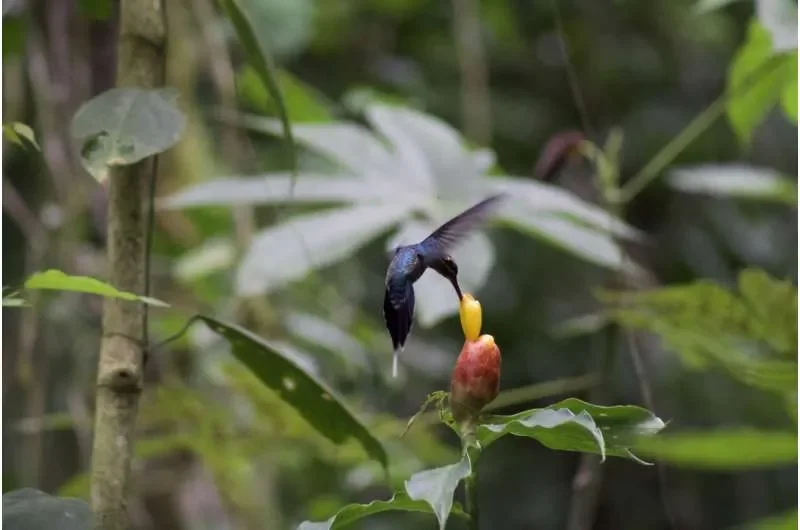
The crucial insight here is that it's not simply the number of visits, but the quality of pollination—how much viable pollen is transferred—that shapes a plant's evolution. This implies that over successive generations, flowers are likely to develop traits that specifically attract and cater to these superior pollinators, potentially at the expense of less efficient ones.
Read More: Hagfish Lost Eyes But Gained Other Senses, Fossils Show
Ecological Shifts as Evolutionary Triggers
Beyond the direct interaction, broader ecological changes are recognized as significant catalysts for shifts in pollinator preference. Research suggests that evolutionary history is marked by numerous independent pollinator shifts, often coinciding with environmental alterations. Macroevolutionary studies are being employed to analyze these patterns, examining the timing of ecological shifts in relation to changes in pollination strategies. This approach helps disentangle whether external environmental factors initiate the switch in pollinator reliance, thereby influencing floral evolution.
The Broader Landscape of Pollinator-Mediated Evolution
The influence of pollinators on plant evolution is a complex, multi-faceted phenomenon. It encompasses not only the direct selection on traits like color and scent but also the underlying genetic and developmental mechanisms. Studies have explored how innate preferences of flower visitors, combined with learning and sensory biases, can shape floral signals.
Furthermore, the diversity of flowering plants itself is intrinsically linked to these plant-pollinator interactions. The selective pressures imposed by different pollinators contribute to the maintenance of this botanical variety. This dynamic interplay between plants and their pollinators underscores a long-standing evolutionary dance, where floral signals, from color to scent, evolve in response to the specific demands and preferences of those agents of reproduction.
Read More: Pencil Maker Says Old Factory Used for Deportees
The efficiency of pollen transfer, not just visitation frequency, is key.
Floral traits evolve to favor more effective pollinators.
Broader ecological shifts can initiate changes in pollinator preference.
Pollinator-mediated selection is a fundamental driver of floral diversity.
Historically, much of the focus has been on distinct color shifts associated with pollinator changes. However, current investigations are also examining how pollinator selection acts on continuous variation within floral traits, like subtle differences in flower color within populations. The reproductive systems of plants and the phenomenon of sexual selection can further complicate or accelerate these evolutionary processes.


