


Archaeological Inertia Plagues Balirajgarh
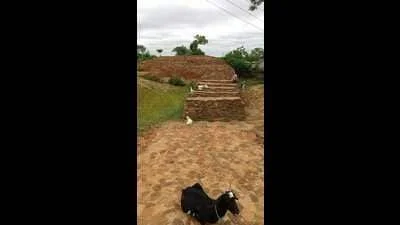
Recent reports suggest a renewed, yet familiar, push for excavation at the Balirajgarh Fort site in Madhubani district, Bihar. The Archaeological Survey of India (ASI) has, for at least the third time in a decade, granted approval for digging, sparking hopes of uncovering the buried layers of early Mithila civilisation. However, past cycles of these approvals paint a picture of persistent institutional inertia. Previous excavations, like those proposed to involve around 20 trenches, have been initiated only to be left incomplete, with dug-up areas subsequently succumbing to soil, weeds, and grass. This pattern raises questions about the sustainability and seriousness of these periodic archaeological endeavors.
Promises and Potholes
The ASI's green light for excavation at Balirajgarh, a site considered one of Bihar's most significant archaeological locations, comes amid ongoing criticism of the agency's perceived negligence towards the state's historical treasures. Chief Minister Nitish Kumar himself has, on multiple occasions, voiced dissatisfaction with the ASI's approach. The current plan to dig approximately 20 trenches across the more than 20 identified mounds at the protected site appears to be a direct response to these critiques, aiming for a more "scientific, systematic and comprehensive" exploration this time. Officials involved express a desire to move beyond "earlier limitations" and achieve a "clearer, deeper account of the ancient settlement."
Read More: 5,900-Year-Old Child Skull Found in Norway Cave
A History of Halts
The narrative of Balirajgarh's excavation is punctuated by suspensions. In April 2016, it was reported that work at several key Bihar sites, including Balirajgarh, had been stalled for nearly a year due to the ASI's failure to issue necessary licenses. At that time, the ASI had reportedly put on hold sites with ongoing excavations for over four years, pending the submission of reports from previous diggings. This highlights a potential systemic issue where the completion and reporting of archaeological work are not keeping pace with new authorizations. The responsibility for furnishing these reports fell to local entities like the Patna NGO Heritage Foundation.
Read More: Lalu Prasad Yadav, Rabri Devi Return Guards After Z-Plus Security Cut

The caretaker's watch
Amidst the bureaucratic ebb and flow, the physical site itself suffers. Ram Kumar Mandal, the sole caretaker of Balirajgarh Fort, presides over a monumental structure increasingly defined by neglect. The "crumbling walls" are a testament to a history that struggles to be unearthed, let alone preserved. The periodic interest, marked by fresh approvals and the promise of digging, stands in stark contrast to the prolonged periods of inactivity and the subsequent decay of the historical landscape.

Echoes of Neglect
The Archaeological Survey of India's approval for excavation at Balirajgarh, while appearing proactive, seems to fall within a recurring pattern. The commitment to uncovering the past at this important site in Madhubani district is repeatedly met with obstacles that prevent a sustained and thorough investigation. The result is a landscape of archaeological promise perpetually overshadowed by the reality of its gradual deterioration.
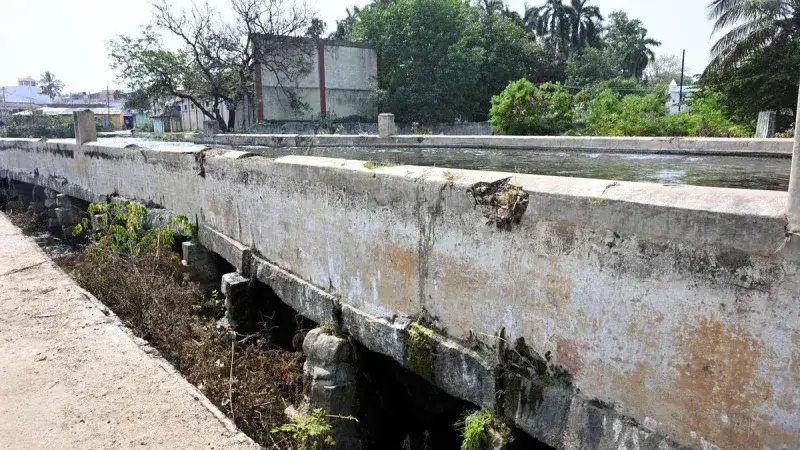
Read More: Erode Aqueduct Stable: ASI Finds Minor Seepage, Recommends Repairs






-1775921553486.webp)