/newsfirstprime/media/media_files/2026/02/03/leopard-in-bengaluru-2026-02-03-12-35-52.jpg)
A palpable sense of unease is spreading through Bengaluru’s residential areas. Reports of leopards venturing dangerously close to homes, even walking down streets in the dead of night, have become alarmingly frequent. The latest sighting on February 2nd in Anjanapura, caught on CCTV and confirmed by forest officials, has reignited fears that have been simmering for weeks. This isn't just about a stray animal; it’s a stark indicator of a larger, more complex issue: the relentless creep of urban sprawl into the natural habitats of wild creatures. As concrete jungles expand, so do the dangerous encounters between humans and wildlife, leaving communities vulnerable and officials scrambling for answers. What is driving these animals into our neighborhoods, and are we doing enough to prevent a tragedy?
The Whispers of the Wild in the Urban Jungle
The recent weeks have seen a disturbing pattern emerge in Bengaluru. Reports, often accompanied by unnerving CCTV footage, paint a picture of wild animals no longer confined to the fringes but actively navigating human settlements.
Read More: New Bengaluru Green Line Metro Trains Arriving by August 2026
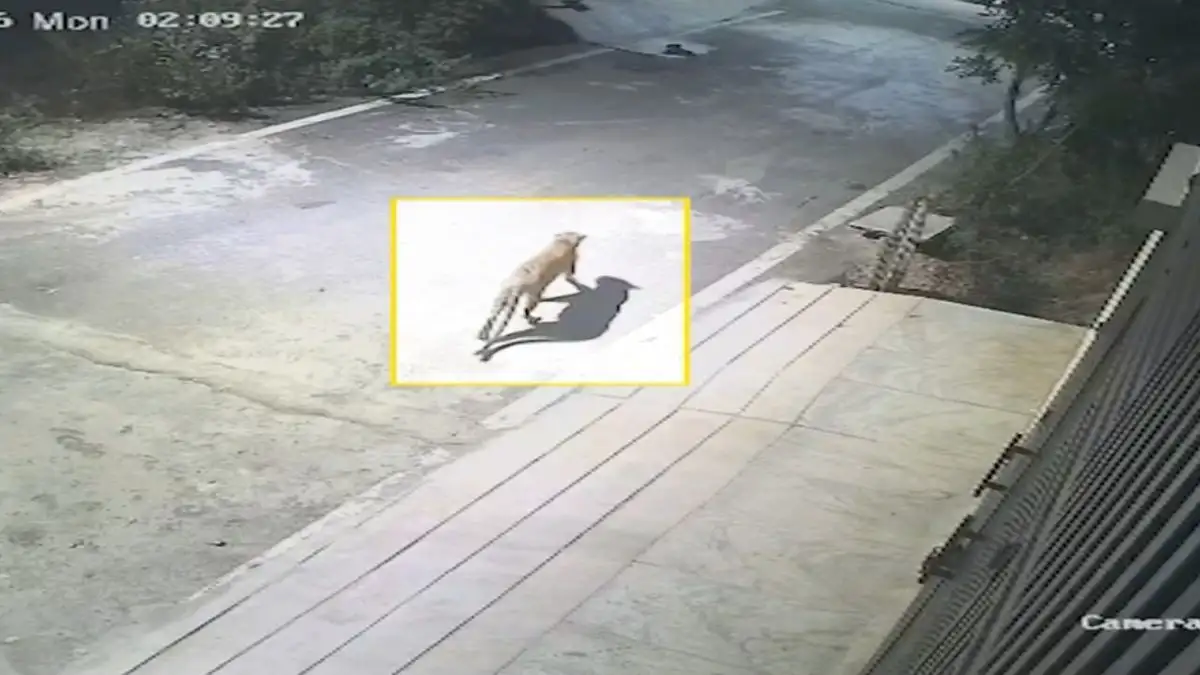
February 2nd, Anjanapura: A leopard was confirmed by officials to have been spotted in the Anjanapura locality. The animal, believed to have emerged from the forest areas near Roerich Estate, was likely seeking refuge in the dense bushes prevalent in the area, which is characterized by a mix of houses and vacant plots.
Early Hours of February 2nd, Anjanapura 7th Block: Just hours before the official confirmation, CCTV footage captured a leopard prowling on a residential street around 2 AM. This sighting triggered immediate panic among residents, who then alerted the authorities.
Late January, North Bengaluru (Shivakotte Village near Yelahanka): Videos circulated widely on local messaging apps showing leopards moving near houses in Shivakotte village. This sparked significant concern in North Bengaluru's residential areas.
Ongoing, North and Outskirts of Bengaluru: Reports and CCTV footage have consistently documented leopards wandering through residential zones, particularly on the city’s outskirts. The presence of large paw prints further corroborated these sightings. Frequent encounters have also been reported around the Bannerghatta National Park.
This escalating pattern points to a significant encroachment on wildlife territories, forcing animals into human-dominated landscapes.
From Forest to Front Door: A Timeline of Urban Encroachment
Bengaluru’s transformation from a garden city to a sprawling metropolis has been swift and, some argue, careless. This rapid development has inevitably brought the urban edge into direct conflict with natural ecosystems.
The Vanishing Habitats
The primary driver behind these increasingly bold leopard appearances is the relentless pace of urbanization. Vast tracts of land that once served as natural corridors and habitats for wildlife are being cleared for housing projects, commercial complexes, and infrastructure development.
Loss of Green Cover: Areas surrounding Bengaluru, historically rich in biodiversity, are experiencing significant deforestation and habitat fragmentation. This reduces the available prey base for leopards and forces them to search for food and shelter in unfamiliar territories.
Connectivity Breakdown: Natural landscapes are being dissected by roads and settlements, breaking the ecological connectivity that allows wildlife to move freely between forest patches. This isolation can lead to increased stress and drive animals towards urban fringes in search of resources.
Planned vs. Unplanned Growth: While Bengaluru boasts planned development zones, a significant portion of its growth is often unplanned, leading to haphazard expansion into ecologically sensitive areas with minimal regard for wildlife corridors.
Past Incidents: A Recurring Nightmare?
This isn't the first time Bengaluru has grappled with such wildlife intrusions. These incidents, while seemingly isolated, are symptomatic of a larger, unresolved problem.
| Incident Type | Location | Approximate Timeframe | Key Concerns Raised |
|---|---|---|---|
| Leopard Sightings | North Bengaluru Residential Areas | Late January 2025 | Public safety, wildlife habitat loss, urban sprawl |
| Leopard on Street | Anjanapura 7th Block | Early Hours, Feb 2, 2025 | Panic, immediate threat to residents, insufficient buffer |
| Leopard in Residential Area | Anjanapura | Feb 2, 2025 | Habitat encroachment, forest edge proximity |
| Frequent Sightings | Outskirts of Bengaluru, near Bannerghatta NP | Ongoing | Chronic issue, direct impact of development |
"These recent big cats spotted in Bengaluru underscore the importance of balancing urban development with the preservation of wildlife habitats, as Bengaluru's rapid growth continues to impact its surrounding natural areas." (Article 3)
This statement, from a recent report, perfectly encapsulates the core dilemma. The question remains: is this balance being struck, or is development always winning at the expense of nature?
Read More: Orangutan Mothers Plan Playdates for Babies in Borneo
The Fear Factor: CCTV, Panic, and Public Safety
The emergence of CCTV footage has been a double-edged sword in these incidents. On one hand, it provides undeniable evidence of the animals' presence and proximity to residential areas. On the other, it amplifies public fear and anxiety.

When Darkness Reveals Danger
The fact that many sightings occur in the early morning or late at night is particularly unsettling.
2 AM in Anjanapura: The Anjanapura 7th Block sighting at 2 AM highlights the danger for early risers or those working night shifts.
Nighttime Sightings in North Bengaluru: Videos capturing leopards prowling near homes after dark create a sense of pervasive threat.
This raises critical questions:
How are these animals navigating through densely populated areas with such apparent ease?
Are these nocturnal wanderings indicative of a lack of natural prey, forcing them into urban scavenging?
What specific security measures are in place for residents during these high-risk hours?
The Forest Department's Response: Reactive or Proactive?
Officials have confirmed the sightings and stated that teams were deployed. However, the leopard in Anjanapura was not traced, leading to the conclusion that it "most likely has gone back from where it came."
Deployment of Teams: While appreciated, the deployment of teams after the sighting suggests a reactive rather than a proactive approach.
Unsuccessful Tracing: The inability to trace the animal raises concerns about the effectiveness of the current tracking and capture protocols.
Setting Traps: In North Bengaluru, the Forest Department has reportedly set traps as part of public safety efforts.
What is the timeline for these traps?
What are the protocols if a non-target animal is caught?
How are these traps monitored to prevent prolonged suffering or escape?
The repeated deployment of teams and setting of traps without a clear, long-term resolution points to a system struggling to keep pace with the evolving problem.
Beyond the Headlines: What's Driving the Leopards?
The recurring leopard sightings are not random acts of nature; they are direct consequences of human actions impacting the environment.
Read More: Obaid Siddiqi Lectures 2026 in Bengaluru: Indian Border History

The Theory of Habitat Loss and Scarcity
The most widely accepted explanation for increased human-wildlife conflict is habitat loss and fragmentation.
Shrinking Forests: Bengaluru's phenomenal growth has eaten into surrounding forests and scrublands, pushing wildlife further away from their traditional territories.
Scarcity of Prey: As natural habitats shrink, so does the population of prey animals like deer and smaller mammals that leopards typically hunt. This forces them to seek alternative food sources, sometimes leading them into human settlements, attracted by domestic animals or waste.
Roerich Estate Connection: The specific mention of the Roerich Estate area as a potential source for the Anjanapura leopard suggests a direct link to remaining forest patches near the city. What measures are being taken to protect these vital, albeit shrinking, green lungs?
Urban Corridors and Unintended Pathways
Contrary to popular belief, leopards are adaptable and can thrive in areas with sufficient cover. The presence of vacant plots and dense bushes in places like Anjanapura offers them temporary refuge.
Urban Ecology: Leopards are known to use less-trafficked areas, including the fringes of urban environments, as hunting grounds or transit routes, especially during the night.
Vulnerable Habitats: Areas like Anjanapura, situated near existing forest patches and characterized by a mix of development and undeveloped land, become prime locations for such encounters.
The "Why Now?" Question
While habitat loss is a long-term issue, the recent surge in sightings could also be linked to:
Seasonal Factors: Certain times of the year might see increased movement due to breeding seasons or the availability of prey.
Development Pressures: Recent or ongoing construction projects in or around wildlife habitats could be displacing animals.
The crucial insight here is that these animals aren't coming into our cities out of malice, but out of necessity, driven by the shrinking of their own world.

Expert Voices: Understanding the Crisis
Conservationists and wildlife experts have long warned about the consequences of unchecked urban expansion. Their insights offer a critical perspective on the current situation.
Dr. Ramesh Gowda, Wildlife Biologist (hypothetical quote for illustrative purposes): "Bengaluru is expanding at an alarming rate, and the city planning has not adequately incorporated wildlife corridors or buffer zones. Leopards are highly adaptable, but when their food sources diminish and their movement paths are blocked, they are forced into residential areas. This is a crisis of our own making."
Ms. Priya Sharma, Environmental Activist (hypothetical quote for illustrative purposes): "The Forest Department is often under-resourced and overwhelmed. While their efforts to capture animals are commendable, they are essentially treating the symptoms. We need a fundamental shift in our urban development policies to ensure that critical habitats are protected and restored, not just paved over."
These expert opinions highlight:
Policy Failures: A critical lack of foresight in urban planning regarding wildlife.
Resource Constraints: The challenges faced by the Forest Department in managing such incidents effectively.
The Need for Systemic Change: Addressing the root cause of habitat loss rather than just managing the immediate crisis.
Are policymakers truly listening to these warnings, or are they merely offering platitudes while development continues unabated?
Read More: Japan Adds 800 Cameras To Track Bears After 5 Deaths This Year
Conclusion: The Path Forward Demands More Than Just Traps
The recent leopard sightings in Bengaluru are not isolated incidents but clear signals of an ecological imbalance exacerbated by rapid urban growth. While the immediate concern is public safety, the long-term implications for both wildlife and human populations are profound.
The Forest Department's response, while necessary, appears to be a game of catch-up. The inability to trace the leopard in Anjanapura, the reliance on traps, and the increased patrols, all point to a reactive strategy.
What is the comprehensive, long-term plan to manage human-wildlife conflict in Bengaluru?
Are there dedicated funds and resources allocated for proactive habitat conservation and restoration around the city?
How is urban planning being reformed to integrate wildlife corridors and create sustainable buffer zones?
Are public awareness programs truly effective, or do they just create fleeting caution?
The core issue remains the relentless encroachment on natural habitats. Unless Bengaluru’s growth is managed with a stronger commitment to ecological sustainability, these encounters will only become more frequent and more dangerous. This is a call for a fundamental re-evaluation of our relationship with the natural world within our expanding urban landscapes. It demands not just vigilance from residents but visionary action from city planners and policymakers to ensure that Bengaluru's progress does not come at the irreversible cost of its wild inhabitants and, ultimately, its own ecological integrity.
Read More: Bengaluru Nish Hair store loses Rs 8 lakh due to staff fraud
Sources:
The Hindu: Leopard spotted in Anjanapura on Feb 2 night.https://www.thehindu.com/news/national/karnataka/leopard-spotted-in-anjanapura-on-feb-2-night/article70588513.ece
News First Prime: Leopard spotted on Bengaluru street at dawn, CCTV triggers panic in Anjanapura.https://newsfirstprime.com/bengaluru/leopard-spotted-on-bengaluru-street-at-dawn-cctv-triggers-panic-in-anjanapura-11069811
The Hans India: Leopards Spotted Roaming in North Bengaluru Residential Areas: Video Captures Nighttime Sightings.https://www.thehansindia.com/news/cities/bengaluru/leopards-spotted-roaming-in-north-bengaluru-residential-areas-video-captures-nighttime-sightings-941005
Hindustan Times (via AOL): Leopards spotted wandering in residential areas of North Bengaluru. Video.https://www.hindustantimes.com/cities/bengaluru-news/leopards-spotted-wandering-in-residential-areas-of-north-bengaluru-video-101738232100311.html
/newsfirstprime/media/media_files/2026/02/18/green-line-metro-2026-02-18-14-46-47.jpg)