TALLINN, Estonia — In a move that raises more questions than it answers, Belarusian President Alexander Lukashenko has signed a decree to pardon 18 prisoners. This latest act of clemency follows a series of similar gestures, bringing the total number of pardoned individuals to over 140. The official narrative frames this as an attempt to mend fences with the United States, a curious pivot from a long-standing authoritarian stance.
Among those granted release are 15 individuals previously convicted on extremism charges. Such charges in Belarus are frequently employed in cases that appear to be politically motivated. The group also includes 11 women. This announcement comes hot on the heels of Belarusian authorities designating the 'PEN Belarus' association of writers, a group boasting over 100 members, as an 'extremist organization'. The juxtaposition of these events suggests a complex, perhaps contradictory, internal dynamic.
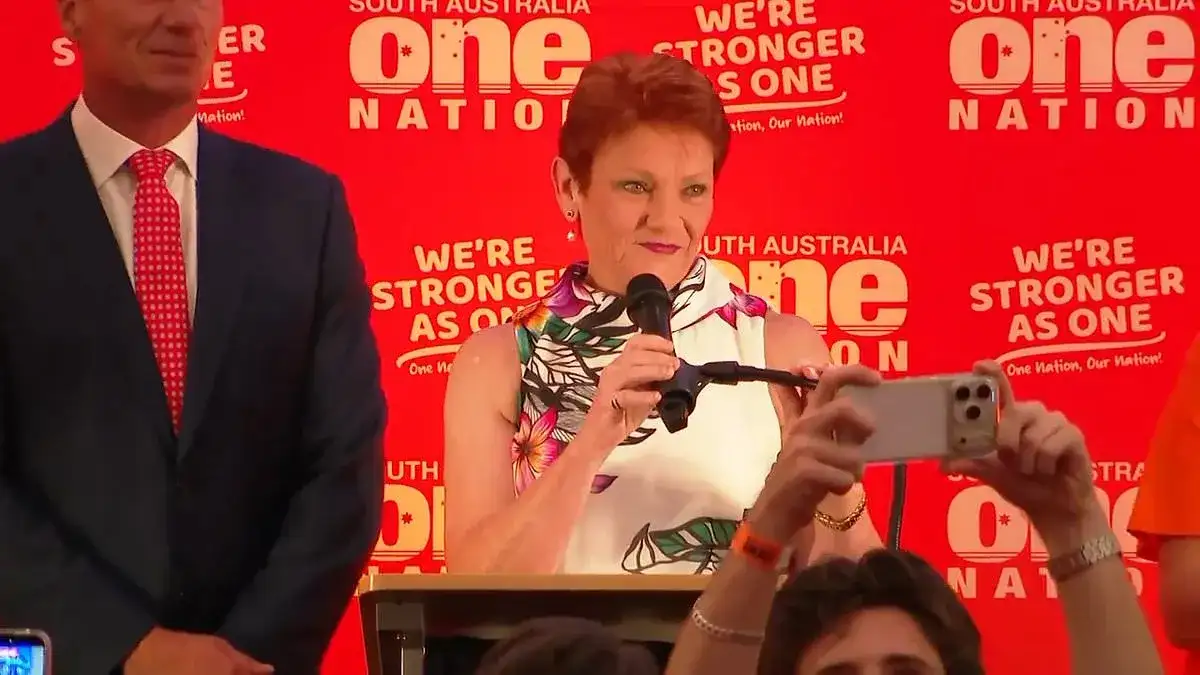
Read More: South Australia Election 2024: Labor Wins, One Nation Surges Past Liberals
A Calculated Gesture?
The pardon, announced via a government decree on Thursday, represents the latest step in what observers are calling a deliberate effort by Lukashenko's administration to improve its standing with Washington. The specifics of the US response to this and prior pardons remain unclear in public statements. Whether this signifies a genuine shift in Belarusian policy or a tactical maneuver on the international stage is a matter of ongoing speculation.
The Broader Context
Belarus, long governed by the unyielding hand of Lukashenko, has been under significant international scrutiny for its human rights record. The frequent use of charges like 'extremism' against dissidents and independent organizations has drawn widespread condemnation. The designation of PEN Belarus as extremist further underscores the restrictive environment for civil society within the country. This pattern of actions, juxtaposed with the recent pardons, presents a fragmented picture of the regime's intentions.
Read More: Middle East War Causes Fuel Panic Buying in Western Australia