BEIRUT - The once-familiar streets of Beirut have become a stark tableau of displacement, as relentless Israeli strikes force swathes of the population from their homes. Over 454,000 individuals are now uprooted, crammed into makeshift shelters in schools, docks, and public spaces across the capital and beyond. The scale of the exodus is staggering, with some shelters housing over 1,200 people, transforming ordinary buildings into crowded sanctuaries.
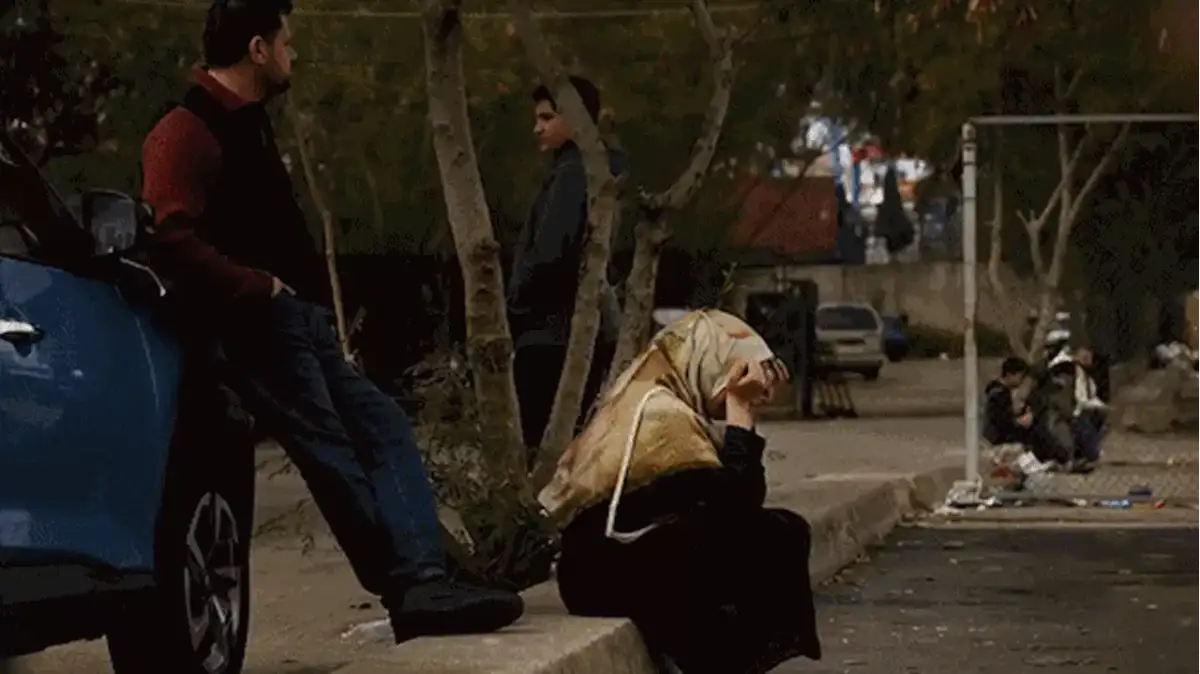
The fighting, a volatile exchange between Israel and Hezbollah, has escalated into what some describe as a "harder, more brutal" conflict. Reports indicate entire buildings have been "razed across the country," with particular intensity seen in Beirut's southern suburbs and southern Lebanon, areas with significant support for Hezbollah. Highways have been choked with evacuating families, seeking refuge from what has been described as Israel's "deadliest assault on Lebanon in over a year."
Read More: Russia's attacks up 37% in May, but Ukraine land gains stop

"We spent five days sleeping in the street before we came to this shelter," shared Zahra Issa, 54, painting a grim picture of life on the move. Her account underscores the immediate, visceral impact of the conflict on civilians.
The infrastructure of daily life has become a battleground and a refuge. Schools, no longer venues for learning, now shelter families amidst the chaos. Docks, typically hubs of commerce, are now filled with those seeking any semblance of safety. The urban landscape itself has been reshaped by the violence, with striking imagery of civilians fleeing through devastated neighborhoods.

While areas with strong Hezbollah backing bear the brunt of the intensified Israeli military actions, the conflict's reach is indiscriminate. Reports suggest that even areas not directly aligned with Hezbollah, like some Christian neighborhoods, have become targets. A strike on a hotel in Hazmieh, which had been taking in displaced families, served as a grim illustration of this expanding violence.

In the midst of this unfolding crisis, internal political currents are also shifting. Lebanese leaders are reportedly turning their attention towards Hezbollah, as airstrikes pummel Beirut and thousands scramble for shelter. The Israeli military has targeted facilities associated with Hezbollah, including media outlets like the Al-Manar channel. These actions follow exchanges of fire, with Hezbollah launching rockets into Israel and Israel intercepting drones, while also reporting the killing of a senior Hezbollah intelligence official. The conflict appears to be a response to earlier attacks, including a rocket launch by Hezbollah and a broader regional context involving Palestinian groups.
Read More: Gulf Oil Exports Rise in June but Still Below Pre-War Levels
Contextualizing the Conflict
This escalating violence between Israel and Hezbollah marks a significant escalation, with casualty figures mounting rapidly. Lebanon's Health Ministry reported at least 31 killed and 149 wounded in overnight strikes alone. The cyclical nature of attacks—Hezbollah's actions prompting Israeli responses—perpetuates a devastating pattern of destruction and displacement, leaving an indelible mark on the civilian population. The enduring memories of these experiences, as one report poignantly puts it, "stay behind," even as families are forced to flee their physical homes.