Violence Disrupts Crucial Bangladeshi Election
Voting in Bangladesh's significant parliamentary elections has been marred by scattered but serious instances of violence. These incidents, occurring across various parts of the country, have disrupted polling and raised concerns about the overall security of the electoral process. Reports detail altercations between political groups, the explosion of crude devices near polling centers, and arrests related to election irregularities. The events cast a shadow over the nation's democratic exercise, occurring in the wake of significant political shifts.

Election Environment Characterized by Tensions and Security Measures
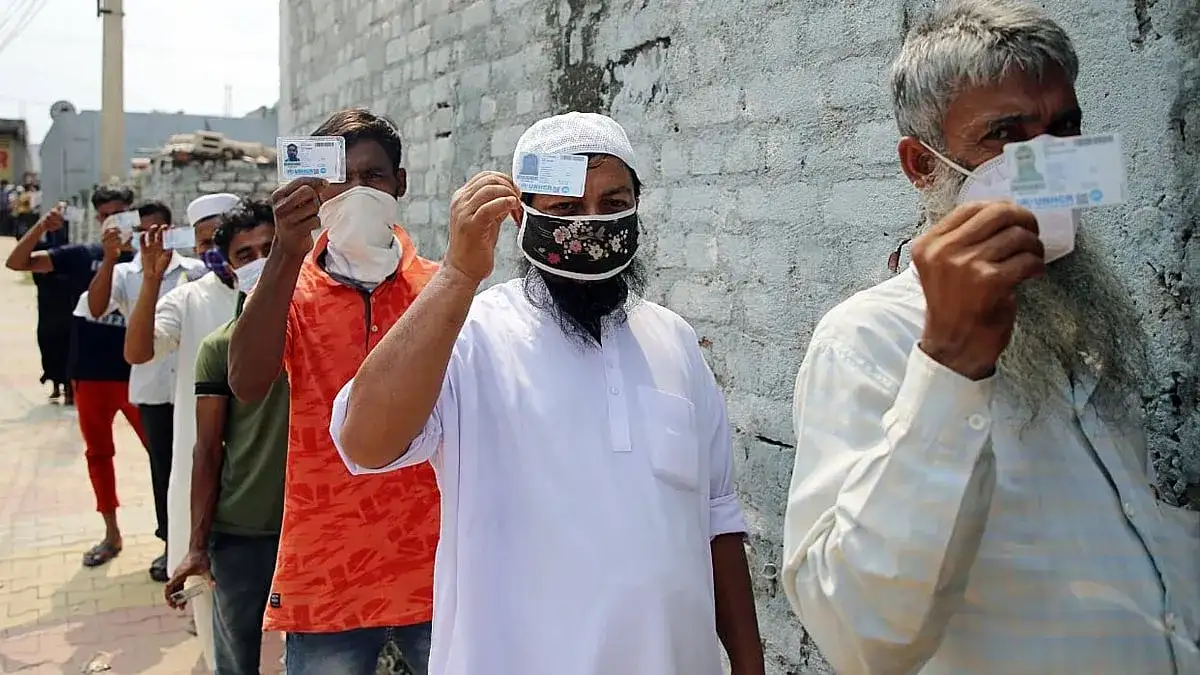
The election took place amidst a heightened security presence and efforts to maintain order. The Election Commission deployed nearly 9,00,000 law enforcement personnel, with advanced tools like drones and body-worn cameras being utilized for the first time to bolster security. Despite these measures, a considerable number of polling centers, particularly in Dhaka, were identified as high-risk. Political parties and candidates were urged to ensure a peaceful voting environment.
Read More: Taiwan Holds Nantou County Drills to Prepare for State Collapse

Actors:
Political Parties: BNP, Jamaat-e-Islami, Islami Andolan Bangladesh, and others.
Law Enforcement: Police, Election Commission officials.
Citizens: Voters, political activists.
Key Events:
Sporadic violence and clashes on election day.
Explosion of crude bombs near polling centers.
Arrests for alleged vote-buying.
Suspension of voting at some centers due to incidents.
Previous incidents of violence during campaigning, including injuries and fatalities.
Evidence of Pre-Election and Election Day Unrest
Data gathered from various sources indicates a substantial level of political violence both leading up to and on election day.
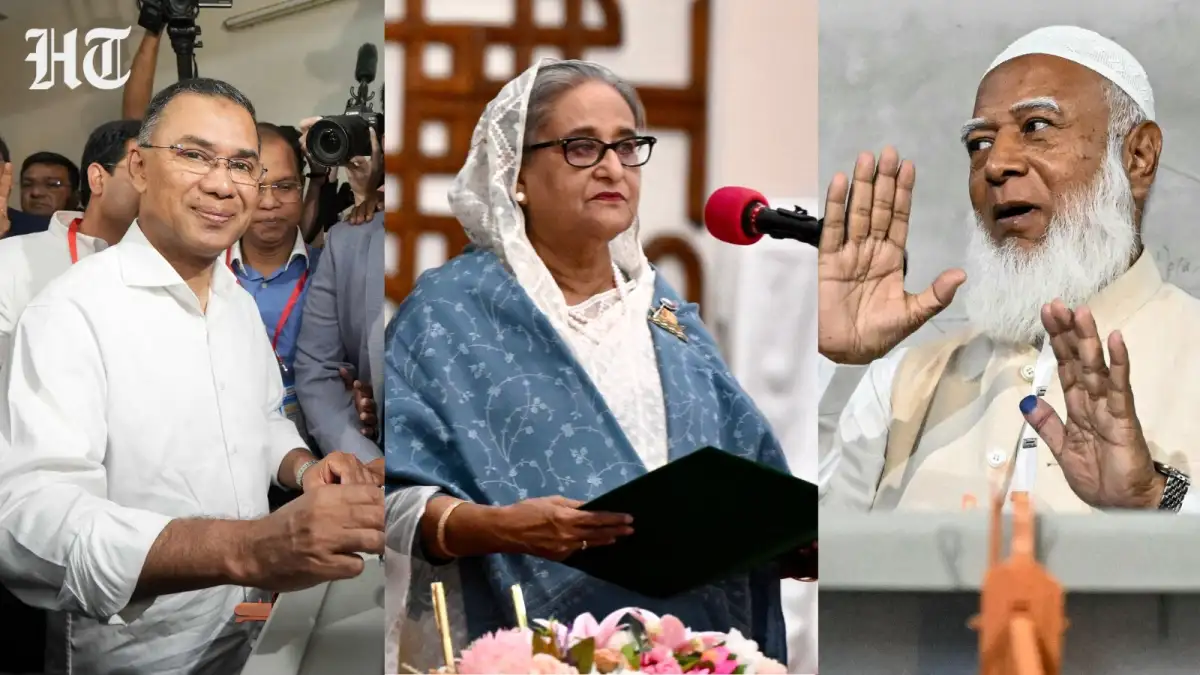
Election Day Incidents:
A BNP leader died following an altercation with Jamaat-e-Islami activists near a polling center in Khulna.
Crude bombs were exploded near seven polling centers in Gopalganj hours before voting began.
A Jamaat leader was arrested in Dhaka for alleged vote-buying.
Voting was suspended for approximately 15 minutes at one polling center due to an incident.
Pre-Election Violence (Examples):
Between December 12 and January 26, 144 violent incidents were recorded nationwide, including clashes, intimidation, and attacks on election offices.
Since campaigning started on January 21, four deaths, 414 injuries, and 51 clashes were reported.
On February 3, a confrontation between BNP and Jamaat activists injured 9 people.
Just days before voting, a BNP-Jamaat clash left over 40 injured.
On January 23, a local BNP leader was shot and killed while at an election office.
Since the election schedule was announced on December 11, at least 16 political activists had been killed prior to election day, according to local media.
Analysis of Violent Incidents and Their Context
The reported violence points to deep-seated political divisions and competitive dynamics among various political factions.
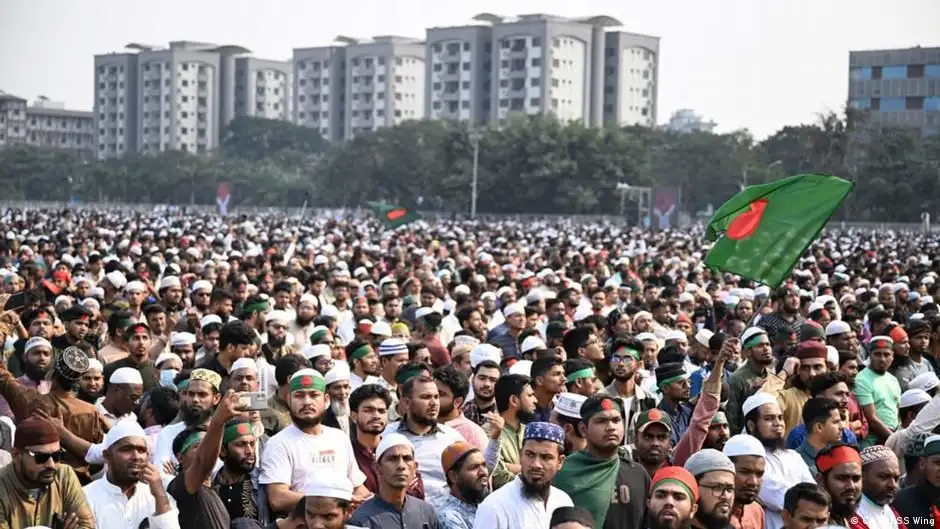
Clashes Between Rival Parties
Observation: Multiple reports highlight confrontations between supporters of different political parties, notably the BNP and Jamaat-e-Islami, as well as other groups like Islami Andolan Bangladesh.
Data: Incidents include street fights, clashes during campaigning, and altercations near polling centers on election day. For instance, a clash between BNP and Jamaat activists on February 3 resulted in injuries, and a similar confrontation just before the polls left over 40 people wounded.
Implication: These clashes suggest a high level of animosity and direct conflict between certain political groups, extending to the election day itself.
Targeted Violence and Fatalities
Observation: A number of political activists have been killed in the period leading up to and during the election. These killings are described as targeted, with motives potentially linked to political rivalry and intimidation.
Data: At least 16 political activists were reported killed since the election schedule was announced. One specific incident involved the fatal shooting of a local BNP leader on January 23. Another reported death on election day occurred during an altercation between BNP and Jamaat activists.
Implication: The reported fatalities raise significant concerns about the safety of political participants and the broader security environment surrounding the elections. Was the aim of these killings to suppress opposition or influence the outcome?
Disruptions and Irregularities at Polling Stations
Observation: Incidents of crude bomb explosions and arrests for alleged vote-buying have directly impacted the polling process at specific locations.
Data: Crude bombs were detonated near polling centers in Gopalganj, and a Jamaat leader was apprehended in Dhaka for alleged vote-buying. These events led to temporary suspensions of voting.
Implication: Such actions directly challenge the integrity of the electoral process and indicate attempts to interfere with voting at the local level.
Expert Perspectives on Election Violence
Experts note that election-related violence has been a recurring issue in Bangladesh's political history.
"Political violence persists as the election campaign intensifies," an unnamed expert was quoted as saying, highlighting the enduring nature of these challenges.
The deep polarization within the political landscape is seen as a significant factor fueling these tensions. Experts also point to the fragmentation of political forces that once united against the incumbent government, suggesting internal divisions may be exacerbating conflict. Concerns about post-election interference have also been raised by some observers.
Conclusion and Implications
The parliamentary elections in Bangladesh were demonstrably impacted by violence. The incidents, ranging from pre-election clashes and killings to on-the-day altercations and the use of explosives near polling stations, indicate a troubled electoral environment.
Read More: Measles Deaths Rise to 495 Amidst Many New Cases
Key Findings:
Sporadic but significant violence occurred on election day, including a fatality and bomb blasts.
Pre-election periods saw a notable increase in clashes, injuries, and deaths of political activists.
Allegations of vote-buying and direct interference at polling centers were reported.
Security measures were intensified, but identified risk factors persisted at numerous polling locations.
Implications:
The violence raises questions about the fairness and security of the electoral process.
The fatalities and injuries underscore the risks faced by political participants.
The recurring nature of such events suggests systemic issues that need to be addressed for future elections.
Further investigation into the specific perpetrators and motives behind the violent acts will be crucial to understanding the full scope of their impact on the election outcome and to informing measures to prevent similar occurrences in the future.
Sources Used:
The Print: https://theprint.in/world/violence-mars-crucial-parliamentary-elections-in-bangladesh/2852721/
Free Press Journal: https://www.freepressjournal.in/world/bangladesh-elections-2026-voting-begins-as-violence-hit-nation-decides-its-future-post-sheikh-hasinas-ouster
News18: https://www.news18.com/world/bangladesh-and-poll-violence-how-the-country-has-seen-tense-elections-ever-since-independence-ws-l-9895403.html
Al Jazeera: https://www.aljazeera.com/features/2026/1/27/fear-and-hope-in-bangladesh-how-political-violence-is-haunting-elections
Dhaka Tribune: https://www.dhakatribune.com/bangladesh/election/402419/violence-surges-ahead-of-13th-parliamentary-polls
NDTV: https://www.ndtv.com/world-news/bangladesh-election-2026-live-updates-bangladesh-polls-voting-bangladesh-election-results-bnp-tarique-rahman-jamaat-muhammad-yunus-sheikh-hasina-10987418
National Herald India: https://www.nationalheraldindia.com/international/bangladesh-pre-poll-violence-stokes-fear-ahead-of-parliamentary-elections
A News: https://www.anews.com.tr/world/2026/01/30/divisions-fueling-violence-as-bangladesh-nears-crucial-elections