URGENT CALLS TO BAN HARVEST SPRAYING OF GLYPHOSATE
A coalition of campaigners, environmental groups, and health advocates are demanding an immediate governmental prohibition on the use of the weedkiller glyphosate as a drying agent for crops at harvest time. This surge in opposition stems from persistent concerns regarding its potential detriment to human health, fueled by a growing body of independent scientific research.
The core of the dispute centres on the practice of spraying glyphosate directly onto crops shortly before harvest to dry them out, a method that campaigners argue significantly increases exposure risks. They cite expert statements, such as one from the Seattle Glyphosate Symposium, which posits that glyphosate and its related herbicides (GBHs) pose a direct threat to human well-being, including a suggested link to cancer. Organisations including the Soil Association, Nature Friendly Farming Network, Greenpeace, and The Wildlife Trusts have jointly penned an open letter urging the government to seize this moment to terminate pre-harvest desiccation using the chemical.
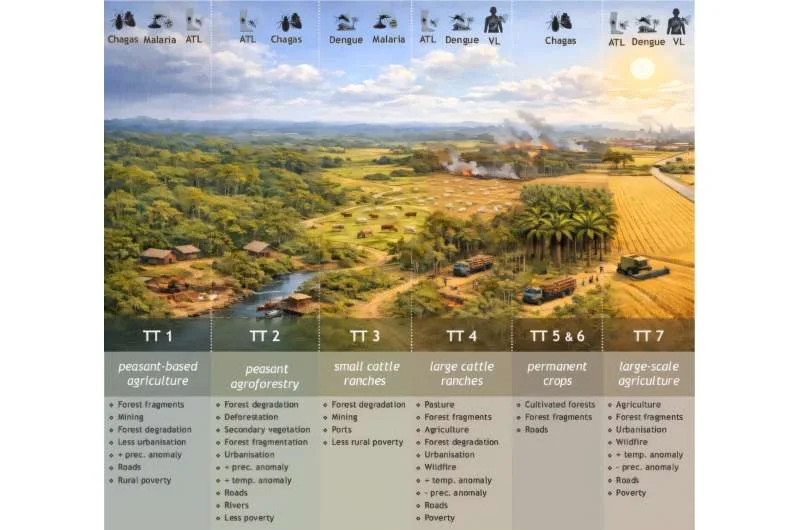
Read More: Amazon Land Use Changes Cause Disease Clusters in Brazil
Farmers' Union Pushes Back, Citing Regulatory Safety
Despite the vocal opposition, the National Farmers' Union (NFU), alongside other agricultural bodies, staunchly supports the continued deployment of glyphosate-based weedkillers, including their application as a pre-harvest drying agent. They highlight that multiple regulatory reports have consistently affirmed the chemical's safety when applied responsibly.
A government spokesperson reiterated that, within Great Britain, all pesticides, including glyphosate, undergo rigorous regulation. Approval is granted only when evidence indicates no harm to human or animal health, nor unacceptable environmental repercussions.
A Deeper Rift: Health Fears Versus Agricultural Reliance
The debate is not merely about a single chemical; it touches upon the fundamental structure of modern farming. Campaigners advocate for this ban as a crucial "sensible first step," emphasizing the need to support farmers in transitioning away from a perceived "chemical dependence." They argue that moving away from glyphosate can be a catalyst for innovation and may even reduce costs for some, though impacts on yield and fuel expenses can vary by farm.
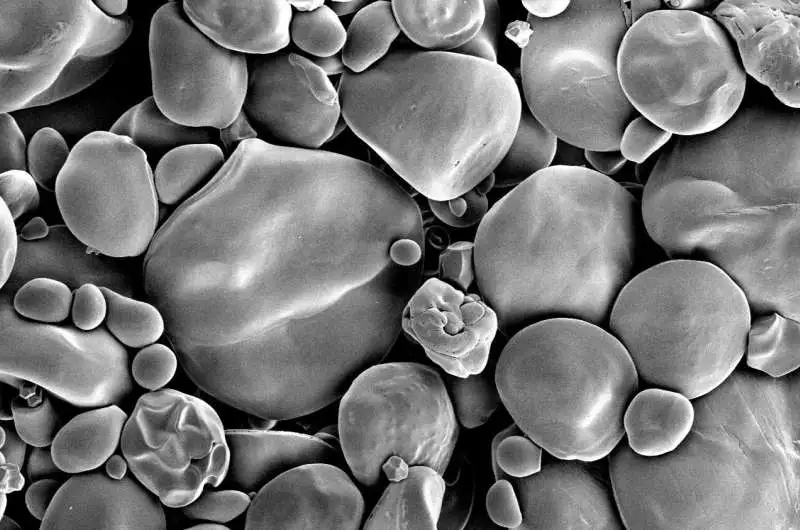
Read More: New Wheat Makes Bigger Starch for Food and Industry
However, the intrinsic difficulty of replacing glyphosate is a significant counterpoint. It stands as one of the world's most extensively used herbicides, and its singular effectiveness makes substitution a complex challenge for current agricultural systems. Without adequate support, restrictions could inadvertently place increased financial strain on already struggling farm businesses. Dr. May van Schalkwyk of the University of Edinburgh notes the "mounting body of independent evidence of the harm to people’s health and the environment from glyphosate-based pesticides," asserting that the evidence of harm at current usage levels is now substantial enough to warrant an end to regulatory delays.