Recent analyses indicate that despite the devastating impacts of Cyclone Gabrielle, the fundamental risks posed by forestry slash on steep, erosion-prone land remain largely unaddressed. New regulations aimed at managing harvest debris have been introduced, yet their practical application and effectiveness in curtailing widespread clear-felling on vulnerable slopes are being questioned. Concerns are mounting that current approaches may allow for continued large-scale clear-cutting, undermining efforts to mitigate the debris flows that exacerbated the cyclone's damage.

WEAKENED LOCAL CONTROL, PERMISSIVE STANCE ON DEBRIS
A central point of contention revolves around changes to environmental regulations, particularly the National Environmental Standards for Commercial Forestry (NES-CF). There is a discernible shift towards a more permissive stance on slash risk, with efforts to tie forestry regulations to freshwater management policies being diluted. This move appears to be part of broader Resource Management Act reforms, which some critics argue provide "regulatory relief" to forestry and farming companies.
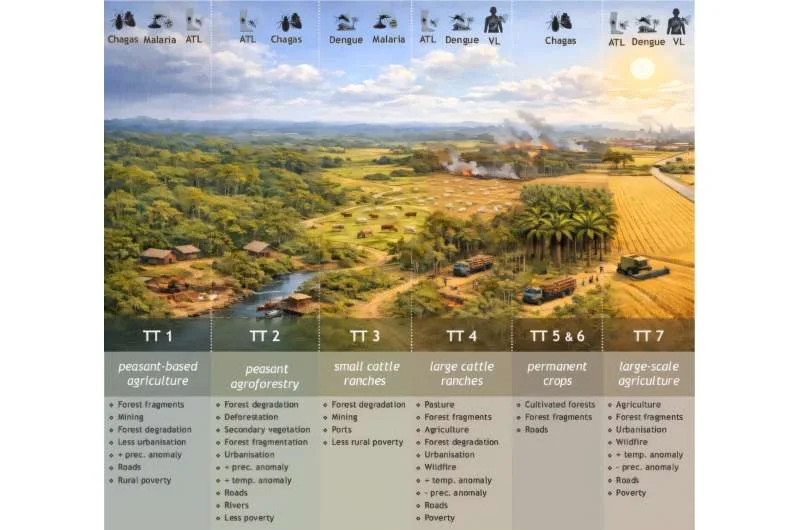
Read More: Amazon Land Use Changes Cause Disease Clusters in Brazil

The Tairāwhiti region, hard-hit by Gabrielle, exemplifies this trend. An analysis suggests that forestry clear-cutting limits have seen minimal enforcement. Simultaneously, councils are reportedly seeking exemptions to introduce stricter rules for steep land, a move that highlights a disconnect between national policy direction and local needs. The potential for foresters to clear-fell steep gullies without clear limits on harvest size continues to be a significant concern, raising doubts about whether national risk mitigation strategies are genuinely reducing the threat of slash-laden debris flows.
THE HISTORY AND THE DEBATE OVER PINE PLANTATIONS
The issue of forestry slash is intricately linked to the history of land use in Aotearoa New Zealand. Pine plantations, particularly radiata pine, were initially encouraged on erosion-prone hill country as a solution to soil erosion caused by the clearing of native forests for pastoral farming. While these plantations have historically helped in controlling erosion, the practice of clear-fell harvesting on steep terrain is now identified as a primary source of destructive forestry slash.
Read More: Tohorā Diet Study Boosted by New Zealand Beach Find
BROADER ENVIRONMENTAL CONCERNS AND COMMUNITY RECOVERY
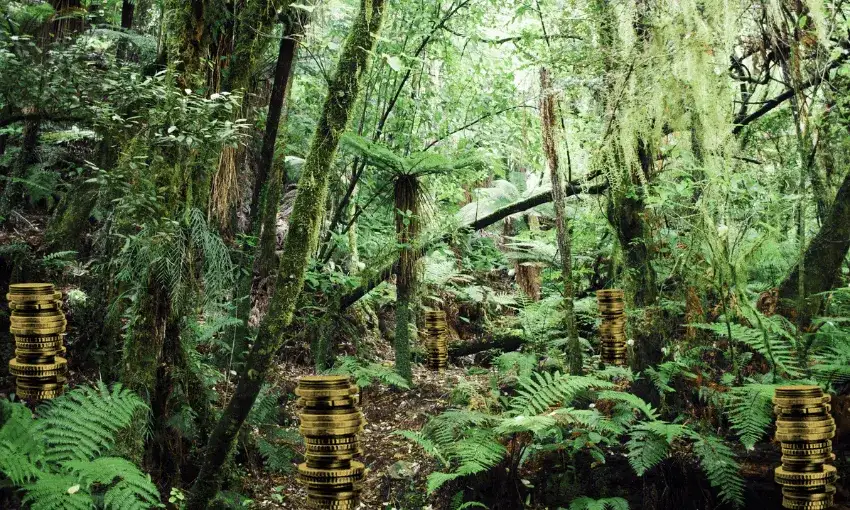
Beyond slash, the debate encompasses wider environmental impacts of monoculture tree plantations. Concerns include the clearance of native forests, degradation of waterways, and destructive harvesting methods. Environmental groups have criticized recent government decisions to limit councils' ability to set tougher local forestry rules, branding them a "slap in the face" to communities still recovering from Cyclone Gabrielle. These decisions also involve repealing fencing regulations that kept livestock out of natural wetlands, a move critics argue prioritizes industry over environmental protection.
The economic implications are also significant. For instance, in Hawke's Bay, a region identified as a climate change vulnerability hotspot, sediment loss, hill country instability, and forestry debris are major concerns highlighted in risk reports. This has led to financial institutions becoming hesitant to recognize orchard developments for loan securities, potentially stymying development in vulnerable areas.
Read More: Kanyakumari Atomic Mining Permit Extended for 1144 Hectares in 2026
The discussion on land-use decisions and extreme weather events underscores that human choices directly influence vulnerability to natural disasters. The long-term perspective on forestry, where even clear-felling every 28 years offers some erosion control compared to pastoral farms, is now being weighed against the immediate and widespread destruction caused by accumulating debris in severe weather events.