The escalating cost of fuel, driven by ongoing geopolitical tensions particularly the Middle East war, is severely impacting taxi and transport workers globally, forcing varied industry responses from financial aid to fare adjustments.
== Bagiuo City offers financial support to taxi drivers ==

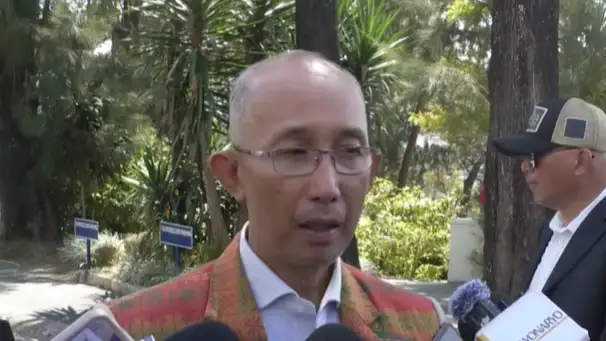
In Baguio City, Mayor Benjamin Magalong has earmarked P20 million from the city's Disaster Risk Reduction and Management Fund to provide cash aid for public transport drivers. This initiative follows assistance already extended to jeepney (PUJ) drivers, with taxi drivers set to receive their share within the current week. The program is expected to benefit over 1,600 individuals.
== Australian taxi provider adds fare component for drivers ==
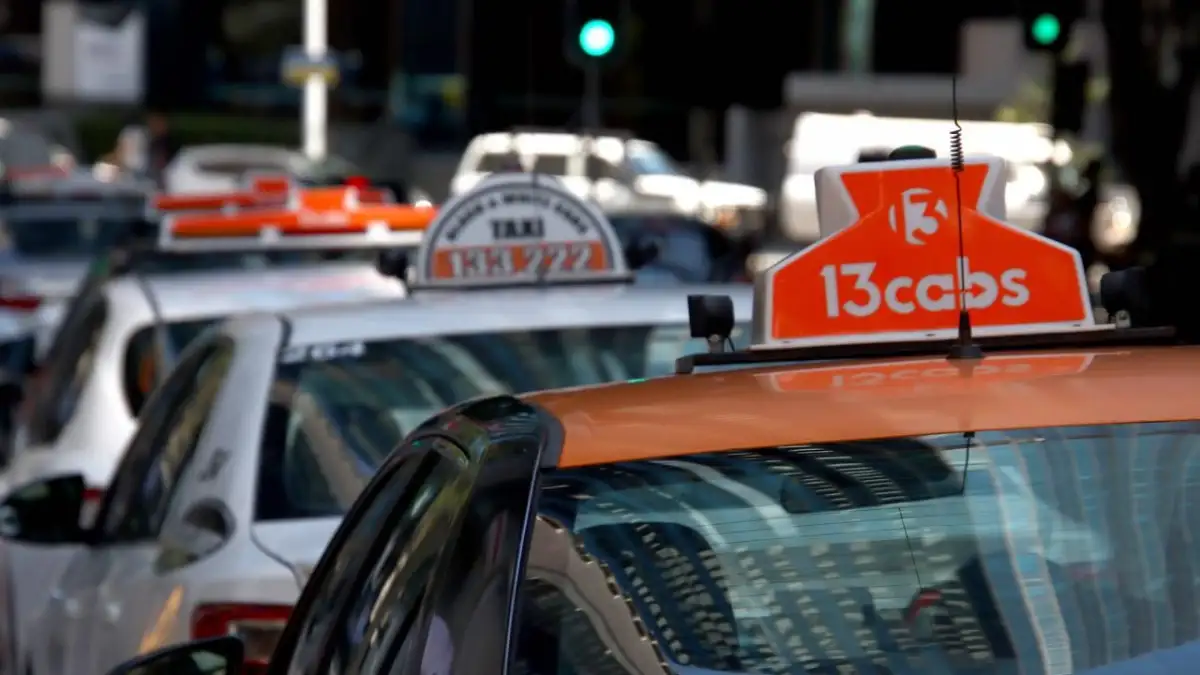
Meanwhile, a major Australian taxi provider, A2B Australia, which operates brands like 13cabs, Silver Service, and Swan Taxis, has implemented a new measure to support its drivers. Starting Monday, drivers will receive an additional 3 percent of a passenger's fare for trips booked through the company's apps. This decision comes amidst drivers struggling with soaring fuel costs, though A2B states it will not increase passenger fares. Rivals have reportedly reacted negatively. A temporary implementation of one week was initially cited due to the volatile nature of the fuel crisis, linked to the Middle East conflict.
Read More: Elizabeth Line Helps Londoners During Tube Strike on July 6
== Surcharges become a reality for taxi and rideshare users ==
Other regions are seeing more direct cost pass-through. In Australia, companies like Black and White Cabs have introduced temporary booking surcharges to help drivers cope. The managing director, Greg Webb, explained the urgent need for a $1.50 booking surcharge as unleaded petrol prices have jumped 58 percent. This mirrors trends in the rideshare sector, where companies are also implementing surcharges to assist drivers.
Read More: Philippines uses Starlink satellites for cell service
== Operators absorb costs, drivers face reduced earnings ==
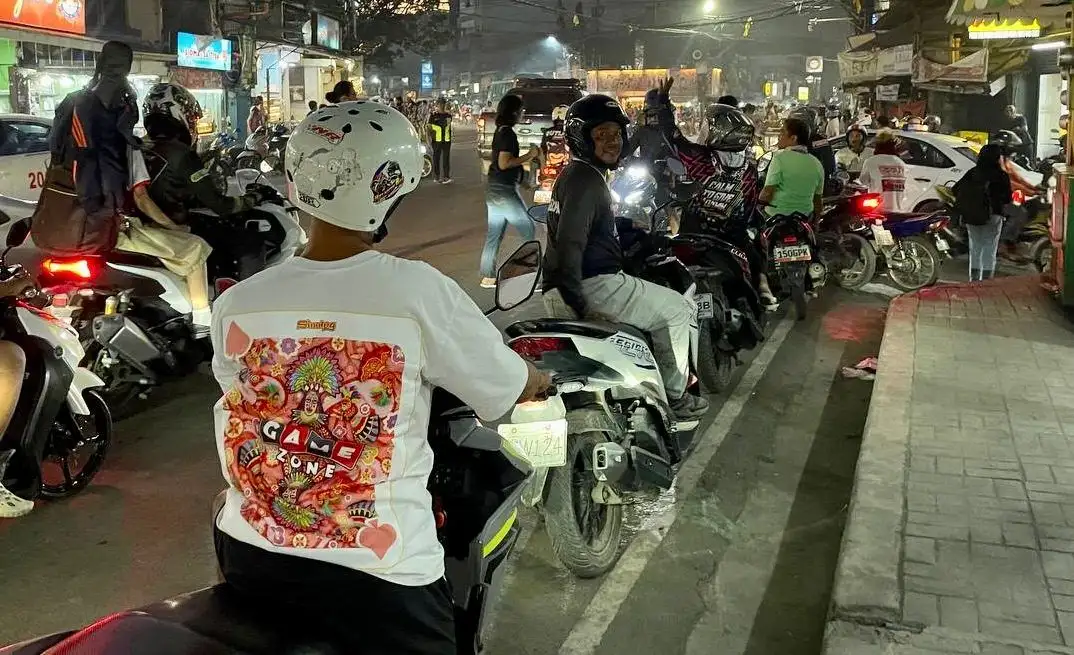
Some taxi operators are opting to absorb a portion of the rising fuel costs themselves. In Singapore, companies like Trans-Cab are subsidizing fuel expenses for their drivers at in-house pumps. This comes as major petrol stations, including Shell, Caltex, and Esso, have continued to increase their prices. However, in other areas, the burden falls directly on the drivers, leading to reduced earnings. In Cebu, Philippines, motorcycle taxi drivers are experiencing longer waiting times for bookings, directly impacting their income. Reports from Manila highlight similar struggles, with drivers questioning how they can survive on low wages amidst climbing fuel and subsequent food prices.
== Black market fuel prices reach extreme levels ==
In some instances, the crisis has fueled a black market for fuel. In Gambella, black market fuel prices have reportedly reached as high as 200 Birr per liter, with gasoline selling at 170 Birr per liter, nearly double the official station rate. This situation also raises concerns about potential illicit trading of fuel by gas stations.
Read More: London Underground Strike Causes Delays for Commuters
Background
The current fuel crisis is widely attributed to the ongoing war in the Middle East, which has disrupted supply chains and created market uncertainty. This has led to significant price hikes at petrol stations globally. The ripple effect extends beyond vehicle operation costs, with warnings of increased food prices due to higher costs for agricultural equipment and transportation. Transport workers, particularly taxi drivers and similar gig economy workers, are disproportionately affected due to their direct reliance on fuel for their livelihoods and often fixed or slow-to-adjust fare structures.