HUNDREDS HOME AMIDST ESCALATING TENSIONS
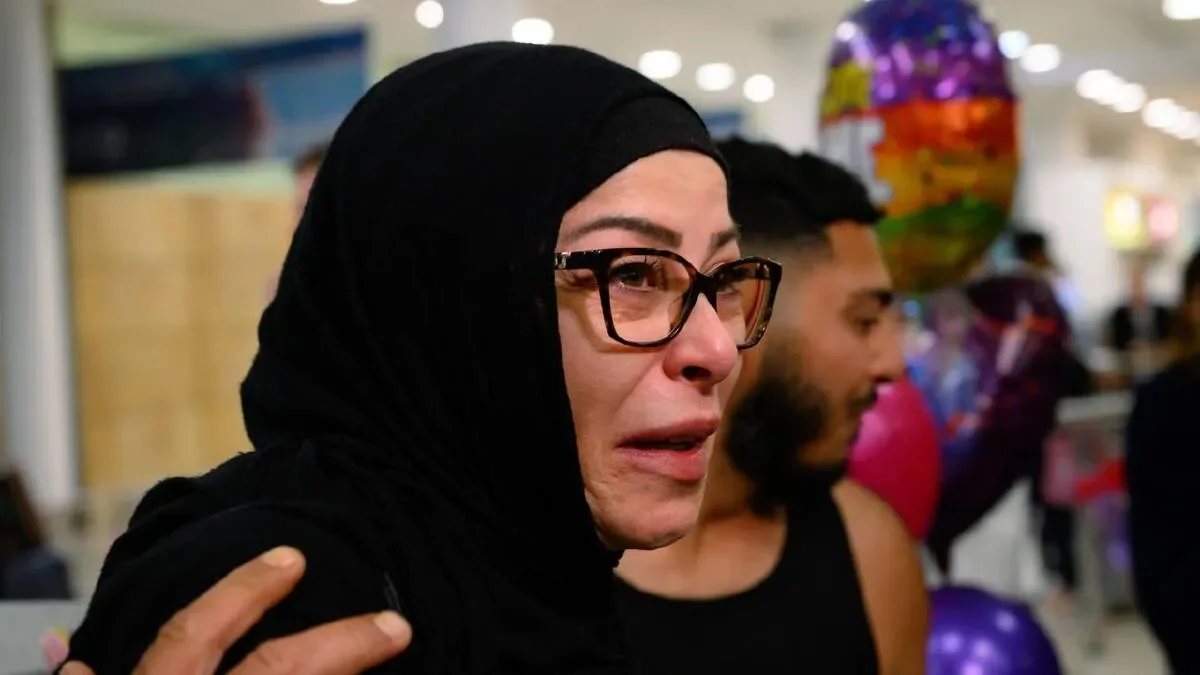
A significant exodus of Australian citizens from the Middle East has commenced, with flights arriving in Sydney carrying hundreds of individuals seeking to escape escalating conflict in the region. This movement follows retaliatory attacks in the area, prompting a wave of departures and governmental responses aimed at facilitating repatriation.
THE NUMBERS GAME
Since Wednesday, a total of 1,324 Australians have returned on eight flights originating from the Middle East. These departures are not without their complications, as some flights have reportedly arrived with empty seats, hinting at a complex logistical and personal decision-making process for those remaining.
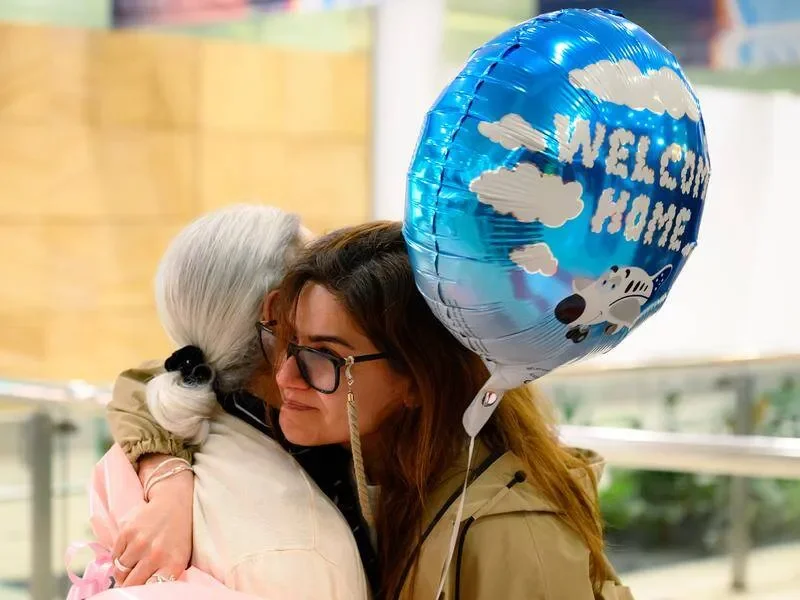
Further departures are anticipated, with three more flights slated to leave the region on Saturday.
A recent flight brought approximately 500 Australians back, according to Assistant Minister for Foreign Affairs and Trade Matt Thistlethwaite.
GOVERNMENTAL MANOEUVRES
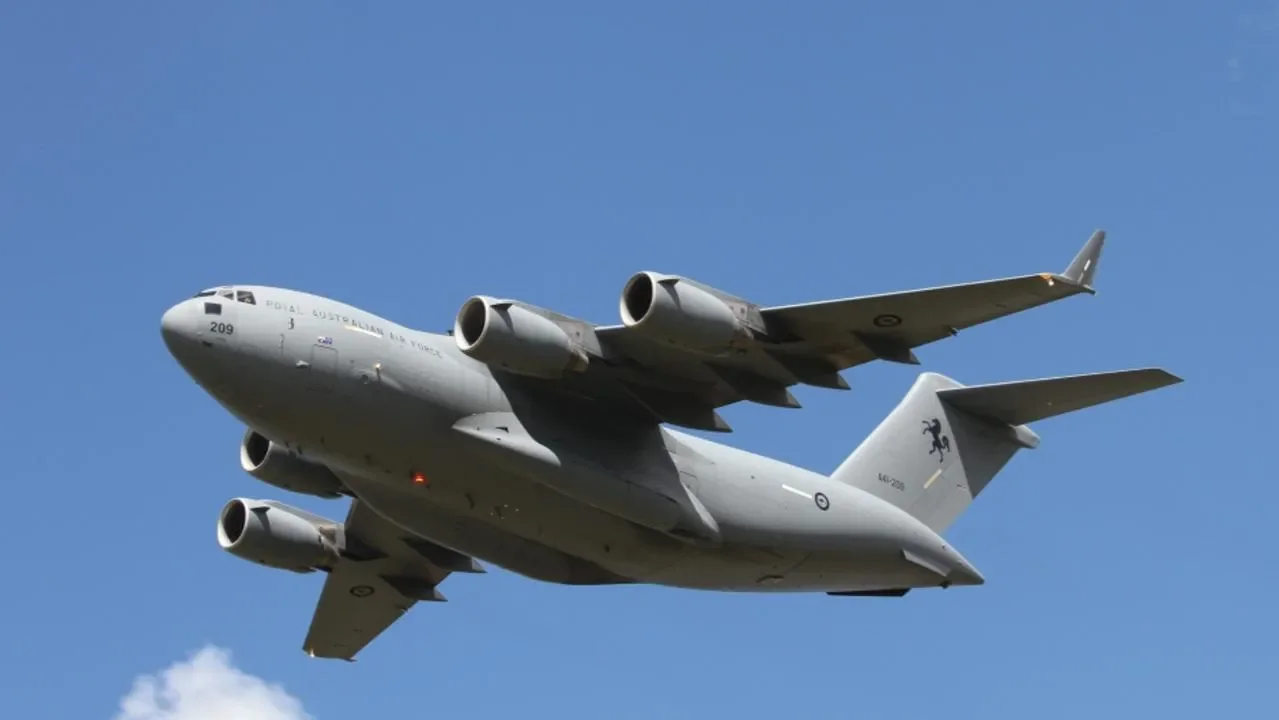
Prime Minister Anthony Albanese has confirmed the deployment of "military assets" to the Middle East, a move questioned in parliament regarding its potential role in aiding civilian evacuations. Concurrently, Foreign Minister Penny Wong stated that six crisis teams have been dispatched to offer additional consular assistance. However, specific locations for these teams remain undisclosed for security reasons.
Read More: Middle East War Causes Fuel Panic Buying in Western Australia

"Prime Minister Anthony Albanese urged people to stay in contact with their airlines about their options."
"We’re calling on the government to clarify that plan," he said. "And, if there are Australian military assets in the region, when will they take Australians on board and bring them home?”
BROADER CONTEXT AND CONCERNS
The current situation appears to be a direct consequence of Iran's retaliatory actions against perceived US-Israeli strikes. This has created a "volatile" environment, forcing many Australians to seek return routes.
Charity worker Hawra Khalil, who was in Lebanon assisting children, was among the arrivals.
Travel industry figures, like Dean Long of the Australian Travel Industry Association, are advising travellers not to cancel flights outright, but to maintain close communication with their travel providers.
The plight of those unable to secure passage is underscored by reports of individuals paying exorbitant amounts, even thousands of dollars, for alternative transport like taxis to reach neighbouring Oman, where entry might be less restricted and further flight options potentially available.
Despite the ongoing evacuations, over 100,000 Australians are reported to remain stranded in the Middle East, indicating the scale of the challenge in addressing the crisis.
BACKGROUND AND ECHOES
The backdrop to these departures involves significant geopolitical shifts. Reports indicate Iran has launched retaliatory attacks, not just on a few targets but on "10 countries in the region". This widespread action has amplified concerns and likely contributed to the urgency felt by many Australians to leave. The mention of Mr Lynn's conviction for the murder of Ms Clay being overturned last year in one report appears anomalous and unrelated to the immediate crisis, possibly a residual element from a different news cycle or a clerical error in the source material. The inclusion of North Queensland being on cyclone watch also stands as an unconnected point, highlighting the varied and sometimes incongruous nature of immediate news reporting.
Read More: Matt Davidson's June 2023 Art Shows Australian Economy Problems