Australians are grappling with increased spending on fundamental needs like groceries, housing, and insurance, leading to significant financial stress despite easing inflation rates. This persistent economic pressure is causing widespread concern, with a substantial portion of the population reporting daily financial strife.

Everyday Essentials Bite Hardest
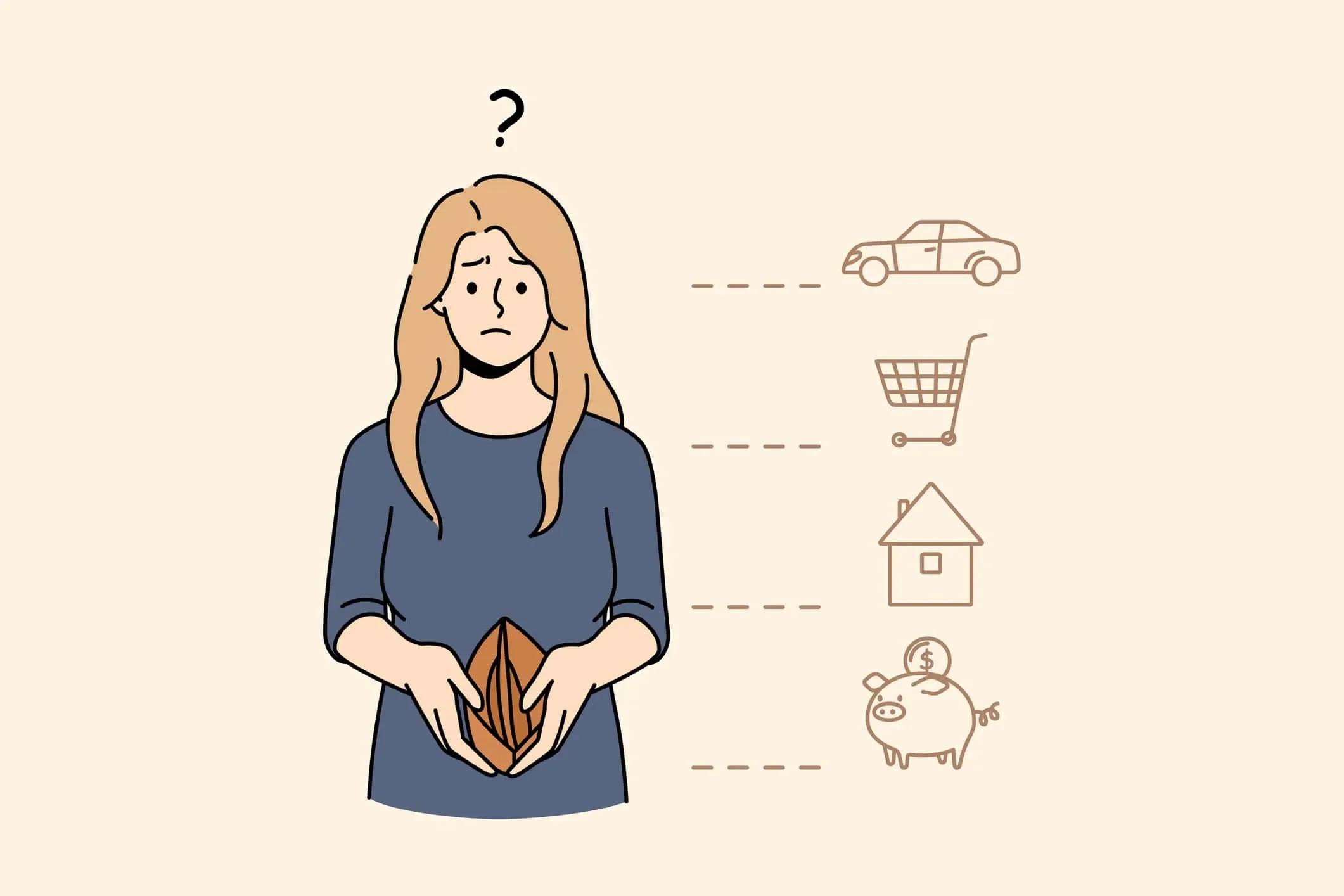
Grocery prices have emerged as a primary concern for a quarter of Australians, while mortgage repayments present the top worry for middle to high-income earners. Many individuals are reporting that they are spending more across all product categories compared to the previous year, with a majority believing these essential items are priced unfairly and are higher than a year ago. This perception of unfair pricing, coupled with rising costs for housing and insurance, contributes to a pervasive sense of unease about the cost of living.

"Australians have got to stop paying the loyalty tax and letting bill hikes go through to the keeper." - David Koch, Economic Director, Compare the Market
Reports indicate a stark reality where everyday costs, rather than luxury items, are driving the most distress. Stories have surfaced of parents foregoing meals to feed their children and pensioners struggling to afford basic utilities. The financial strain has forced individuals to make difficult choices, such as cutting back on private health insurance and contemplating whether to pay for car registration.
Read More: Iran Conflict Causes Higher Fuel Prices and Inflation in Australia

Generational Spending Shifts
Younger consumers, specifically those under 50, have shown a greater tendency to reduce spending, particularly in areas like dining out, entertainment, and food delivery services. Essential spending has seen a slight increase, though this is largely attributed to broader inflation rather than increased consumption. Reductions have been noted in discretionary spending, with significant numbers cutting back on eating out, coffee and snacks, and entertainment like cinema and theatre.
Persistent Economic Pessimism
Despite improvements in inflation figures, Australians remain pessimistic about their economic future. Consumer confidence indexes, while showing slight improvements, continue to hover in negative territory, a trend observed for over three years. This sentiment suggests that the easing of inflation has not yet translated into a tangible improvement in how people feel about their financial outlook. Only self-funded retirees appear to have their rising costs more closely aligned with inflation, while others are heavily burdened by health, energy, housing, and insurance costs.
Read More: Australia Diesel Supply Risks Could Raise Costs for Miners and Drivers by 2026
"Good mental health determines how we’re able to live life… This, combined with increased living costs in recent years has further strained the family’s financial — and mental — health." - Kate Lycett, Deakin University
Broader Societal Impacts
The financial pressures are not merely economic; they extend to mental well-being and community engagement. The constant stress of financial hardship can impede personal aspirations and reduce the time available for individuals to contribute to their communities. The cumulative effect of increased living costs and the demands of daily survival have strained both financial and mental health for many.
The Household Budget Barometer report, a nationally representative survey of 3,000 Australians conducted in August 2024, highlights the depth of this crisis. Economic Director David Koch of Compare the Market notes that while price hikes are concerning, a more proportionate approach to pricing is needed. Comparisons of household budgets have uncovered hundreds of dollars in potential savings, contingent on individuals' willingness to alter existing plans and policies.
The ongoing impact of inflation means that many Australians are likely to feel the financial pinch for an extended period, with the underlying causes and their persistent effects shaping everyday lives.
Read More: New York March 21 2026: AI Automation Takes Simple Jobs Experts Say