Australia faces significant domestic economic disruption due to acute diesel supply risks, a new report from Morgan Stanley indicates. The country's remarkably low "days cover" ratios for 2026, coupled with heightened volatility among crucial import partners, establishes a precarious foundation for the national economy.
This situation has the potential to impact various sectors, particularly those heavily reliant on diesel for operations. Battery metals mining, for instance, is directly exposed. Operations involving haulage, transport, and on-site activities within this industry depend on diesel availability. While major operators may have procurement strategies, a protracted disruption or steep price hikes could escalate marginal production costs, potentially impacting higher-cost producers and placing upstream spodumene production, a key component of the battery supply chain, under direct pressure from a sustained fuel shock.
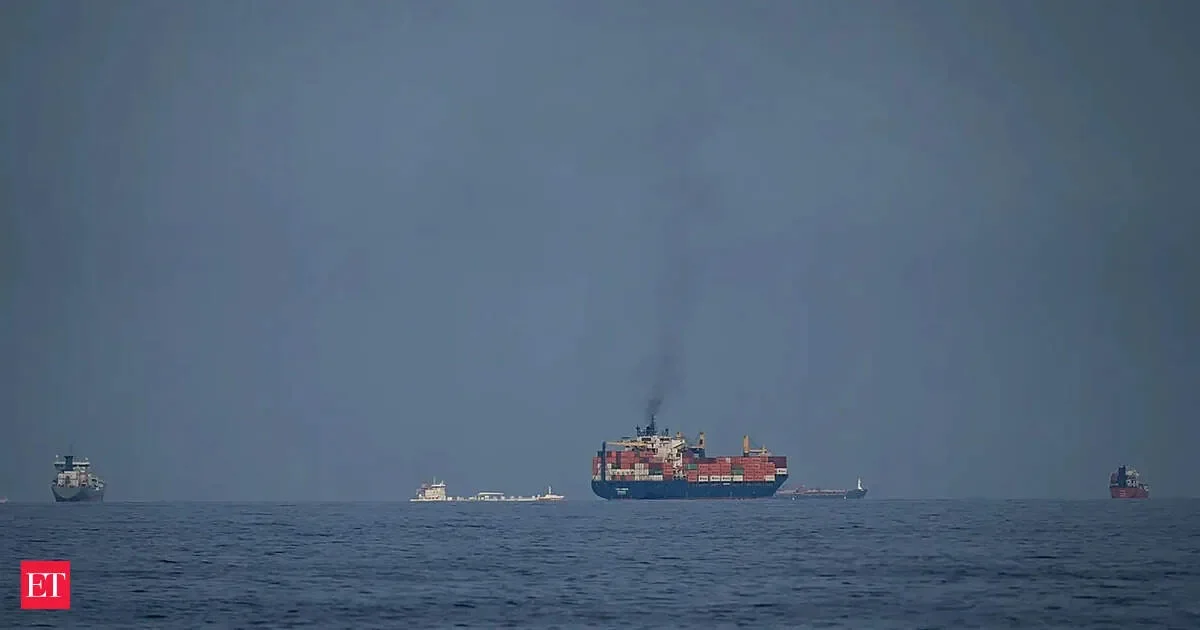
The broader energy and fuel crisis in the Middle East also casts a long shadow. Disruptions in this region impact global energy, fertilizer, helium, and sulfur supplies, creating ripple effects across power generation, production, and transportation sectors. More than 30 percent of global DAP exports, around 17 percent of global MAP exports, and 26 percent of global TSP exports are linked to this region.
Read More: Middle East Conflict Pushes Oil Prices Over $100, Raising Recession Fears
While discussions about diesel shortages sometimes arise, the current situation appears to be more about disruptions to the diesel fuel supply rather than a complete halt in production. This distinction is important for those managing fleets and logistical operations.
The implications of surging oil prices, a related phenomenon, extend beyond the energy market. These price increases place pressure on household budgets by raising fuel costs and contributing to broader inflation. Central banks may find themselves in a difficult position, potentially needing to tolerate higher inflation or maintain elevated interest rates, which could further slow economic growth. Some reports suggest dire fuel situations developing in regions like Europe due to ongoing conflicts, though the specifics of such reports are often difficult to verify with certainty.