FITNESS CENTRES ARE BECOMING NODES OF SOCIAL INTERACTION
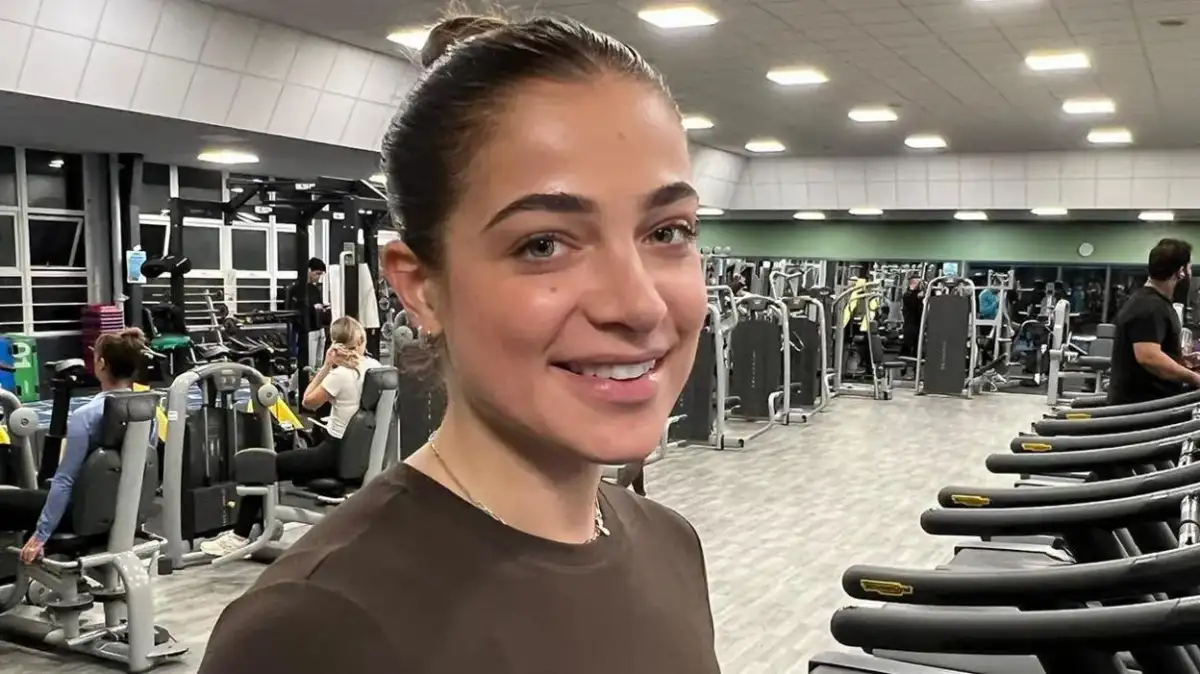
A distinct shift is emerging within the social habits of individuals in their twenties, with a noticeable gravitation towards 'fitness centres' as primary venues for social engagement. These spaces, once solely dedicated to physical exertion, are increasingly seen as destinations for camaraderie and belonging. Young adults are re-framing their leisure time, prioritizing communal physical activity as a substitute for more traditional social settings. This trend is underscored by anecdotal evidence and observed increases in Gen Z's monthly expenditure on fitness-related activities.

Sydney Cassidy, a twenty-something herself, articulates this phenomenon, stating that her gym visits are as much about seeing friends as they are about training for events like marathons. She observes that the gym offers an environment where she does not "feel out of place." This sentiment is echoed by others, suggesting a growing demand for social environments that offer a sense of inclusion and shared purpose, divorced from the perceived downsides of conventional nightlife.
Read More: New York City Youth Play Less on Streets Due to Safety and Screens

DISCO LIGHTS AND DANCE ANTHEMS REPLACING THE DANCE FLOOR
The atmosphere within these fitness spaces is often curated to mimic the vibrancy associated with nightlife. Reports detail instances of gym studios in locations like Grimsby being transformed on specific evenings, featuring dance anthems and "kaleidoscopic disco-lit" environments. This deliberate infusion of sensory elements aims to enhance the social experience, making the gym feel less like a place of solitary exercise and more akin to a "club vibe."

The implication is that the desired outcomes for young people extend beyond physical fitness. The appeal lies in a hybrid experience – the energetic atmosphere of a social gathering combined with the absence of consequences like hangovers. This points to a potential re-evaluation of what constitutes a desirable social outing, with health and well-being considerations possibly playing a role in this reorientation.
ECONOMIC AND SOCIAL CROSSCURRENTS
While the trend of gyms becoming social hubs is gaining traction, its direct economic impact on other sectors, such as the pub industry, remains unconfirmed. Mintel, a market research firm, has stated it "does not have any evidence to prove the increased popularity of gyms on a social level is having a direct impact on pub takings." This suggests that while social patterns are shifting, the broader economic consequences are yet to be definitively measured or understood.
Read More: What guests notice when entering your home in April 2026
Further research into consumer spending habits indicates an increase in the amount Gen Z allocates to fitness each month. This financial commitment to fitness environments, coupled with the observed social integration, signifies a significant change in how this demographic chooses to spend both their time and their money.
BACKGROUND
The concept of the gym evolving beyond its purely functional purpose is not entirely new, but its recent acceleration among younger demographics highlights a cultural recalibration. Historically, gyms have been associated with individualistic pursuits of health and physique. However, the current observations suggest a move towards a more communally oriented model, where the social fabric of the fitness space is as vital as its equipment. This development raises questions about the future of urban social landscapes and the evolving definitions of leisure and community in the 21st century.
Read More: New York City Sees 30+ New Private Clubs for Wealthy