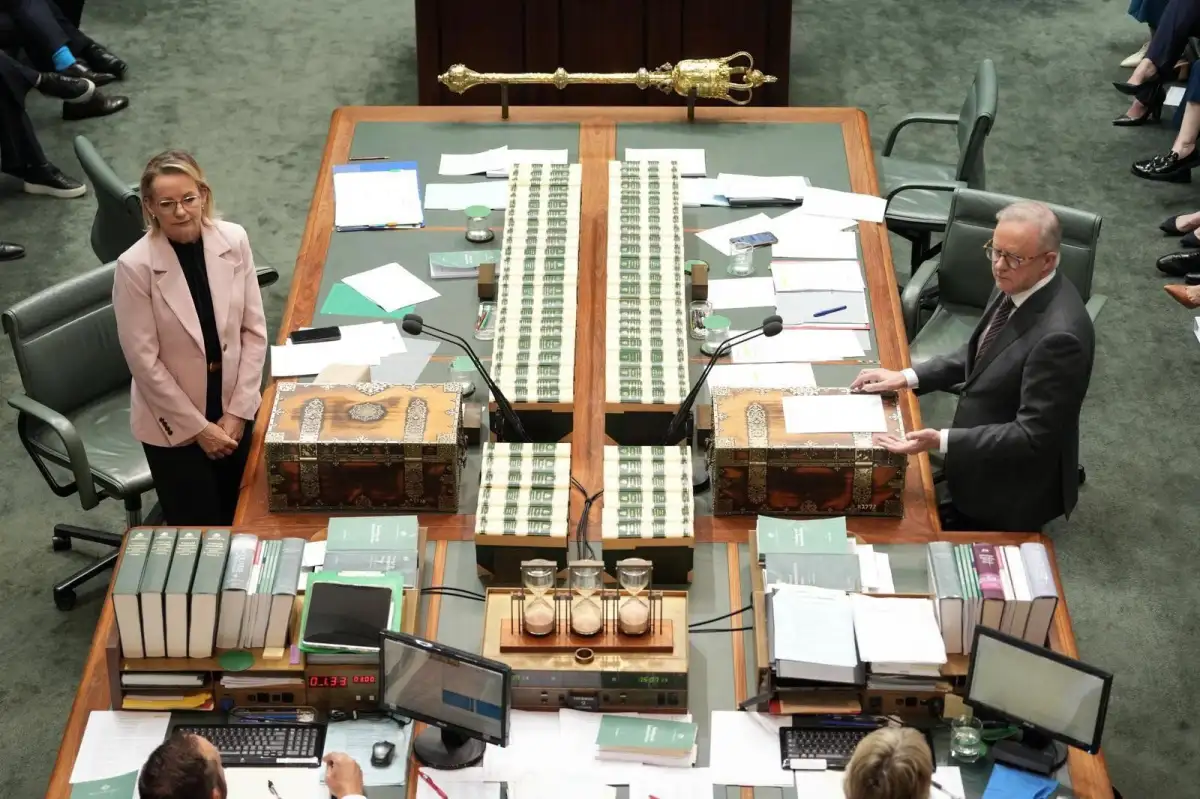
COMEDIAN Dave Hughes has unleashed a volley of profanity-laced criticism at the Australian government regarding its recent decisions on the National Disability Insurance Scheme (NDIS). His outburst, documented shortly after the federal budget's unveiling, directly questions government actions and motives concerning the scheme's funding.

The core of the controversy centres on planned NDIS changes, flagged as the budget's most significant cuts, which are expected to impact the eligibility of a substantial number of participants. While official figures suggest the government aims to reform the scheme, advocates warn this could leave a significant portion of vulnerable Australians without essential support.
Numbers Point to Broad Impact
At least 160,000 individuals are projected to lose access to the NDIS within four years, according to reports detailing upcoming changes. With approximately 760,000 people currently on the scheme, this represents a considerable reduction in coverage. This move comes amid concerns that vulnerable individuals could be left without the necessary care.
Read More: California Deaf Services Fail for 32 Years, Cause Stress

Advocacy Groups Raise Alarm
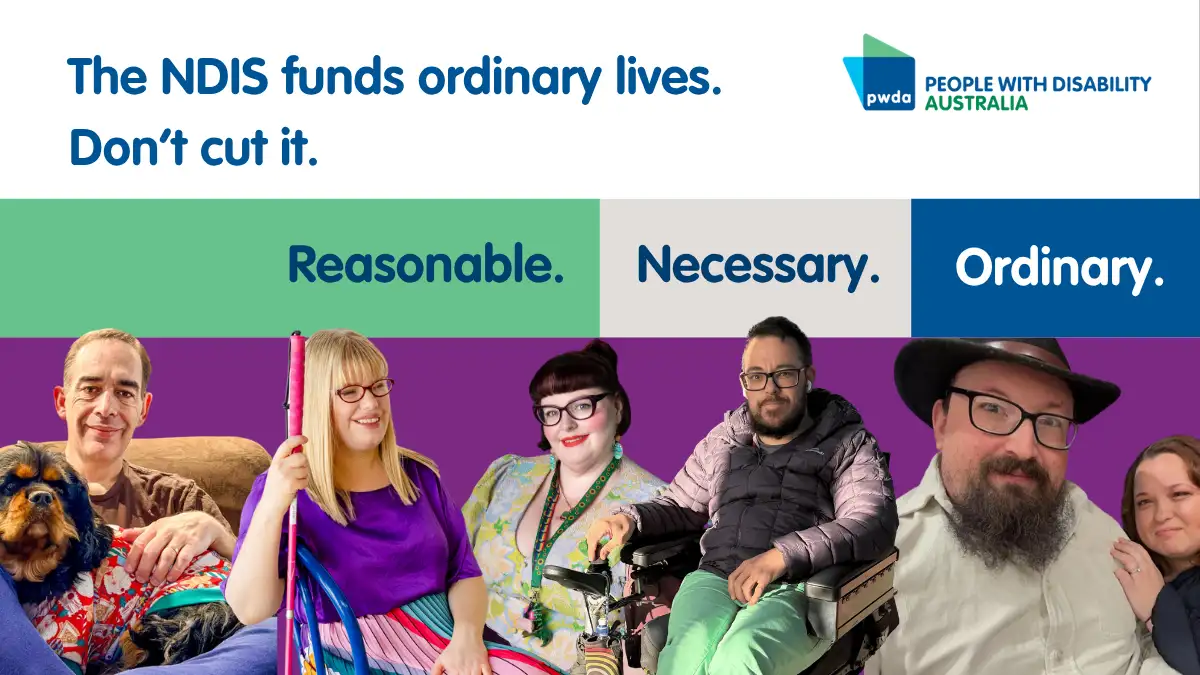
Disability advocacy organisations, including Every Australian Counts and the PWDA (People with Disability Australia), have voiced deep concerns. They highlight that NDIS funding is crucial for individuals to live, work, and participate in community life. The PWDA has launched a national campaign, asserting that "cuts to the NDIS are cuts to ordinary lives."
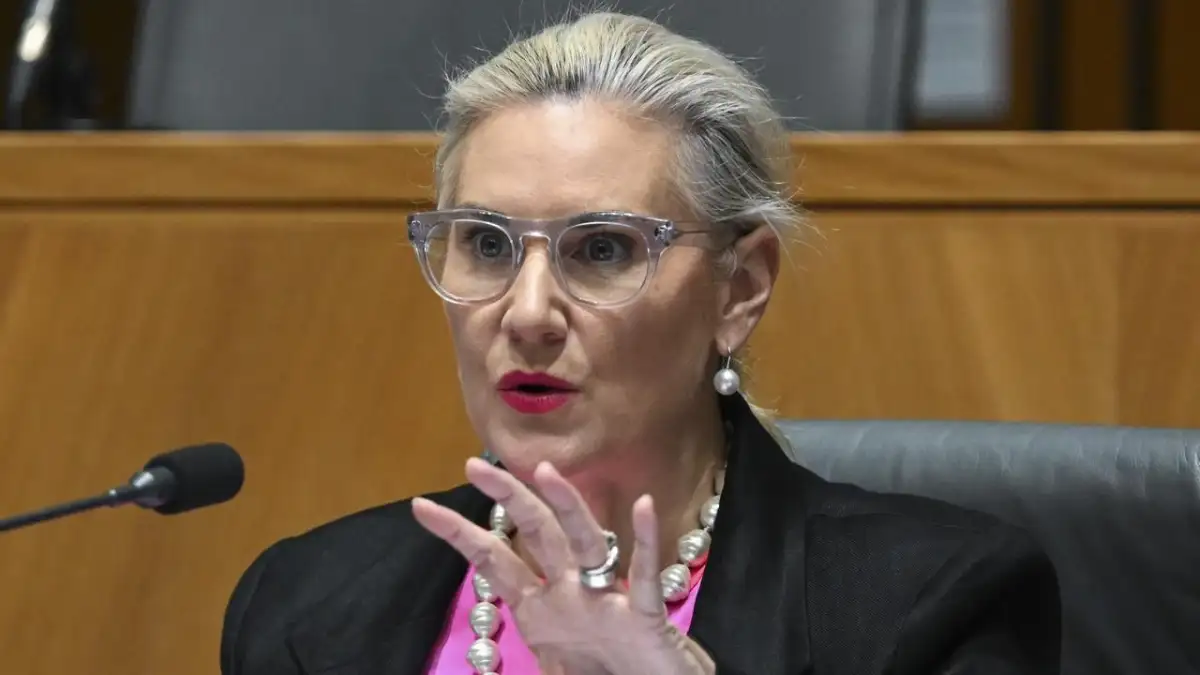
"It funds the supports people need to live… It allows people with disability to live, work and participate in our communities." - Mx Spindler-Smith (PWDA)
The organisation further points out that for every dollar invested in the NDIS, there is a $2.25 return to the economy. They argue that reforms should focus on fixing systemic issues rather than reducing access to support. The PWDA also flagged that $60 million was spent fighting participants through tribunals in 2024-25, indicating a potential area for efficiency improvements.
Government's Position and Budget Context
The Albanese government, through Minister for the NDIS Mark Butler, is set to detail these NDIS overhauls. The timing of the announcement, preceding the main budget release, suggests a strategy to manage stakeholder reactions, particularly with state governments. The broader budget context points towards slowing economic growth and rising unemployment, with a focus on "resilience and reform."
Read More: Australia NDIS Changes Eligibility and Cuts Funding from May 2026
Dissent Within Parliament
The proposed NDIS changes have drawn criticism not only from external groups but also from within parliament. Senator Hollie Hughes, who has spoken openly about the NDIS's impact on her own family due to her son's disability, has expressed deep distress. Her tearful remarks in the Senate underscore anxieties about the scheme's sustainability and the clarity of its application processes.
Broader Financial Strains
The NDIS reforms are part of wider fiscal pressures facing the government. Reports indicate that Health Minister Mark Butler is also navigating challenges related to funding for hospitals, aged care, and disability services. State premiers have voiced accusations of the government shortchanging health negotiations, potentially jeopardising hospital services and leaving states in a more difficult financial position. This comes as a Senate inquiry into aged care also recommended a demand-driven system, drawing parallels to the NDIS model.
Read More: Angus Taylor Challenges Sussan Ley for Liberal Party Leader
Background: The National Disability Insurance Scheme (NDIS) was established to provide Australians with permanent and significant disabilities with the support they need to live a more independent life. Discussions around its sustainability and funding have been ongoing, particularly in the lead-up to federal budgets. The scheme represents a significant portion of the federal budget, leading to intense scrutiny over spending and eligibility criteria.