

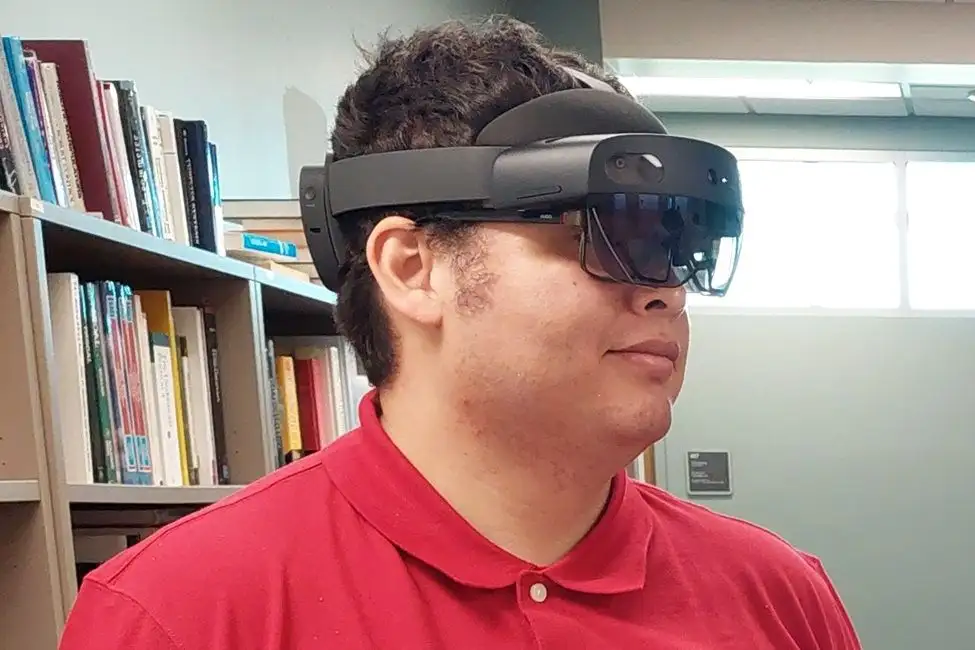
Researchers at Florida Atlantic University (FAU) have put forth findings suggesting that an augmented reality (AR) system, acting as a digital job coach, dramatically improved task performance for individuals with intellectual and developmental disabilities (IDD). The study indicates a 79% boost in job performance when participants utilized this AR tool. This technology aims to offer a more accessible and efficient method for job training compared to traditional, in-person coaching.
The AR system is designed to provide real-time, context-specific instructions directly to the user, assisting them in completing complex work tasks with greater accuracy and independence. This approach seeks to overcome existing barriers to employment for individuals with IDD, a group that often faces limited access to meaningful work opportunities. The researchers developed the system as a scalable and potentially cost-effective alternative to established supported employment models.
Read More: Chrome mimeHandler API lets extensions handle file types
The findings, published in Focus on Autism and Other Developmental Disabilities, represent an effort to redefine workforce integration for this population. By blending user-friendly interfaces with immediate, situation-aware guidance, the AR coach is intended to empower individuals facing cognitive and social challenges to navigate job duties more effectively. The broader implications suggest a future where technology could play a more significant role in fostering workplace inclusion.
The development of this AR job coaching technology is situated against a backdrop of persistent obstacles in supported employment services. Traditional methods often rely on intensive one-on-one coaching, which can be resource-heavy and may not always meet the diverse needs of individuals with IDD. This study's outcome points towards a technological intervention that could potentially streamline training processes and accelerate the acquisition of job skills, thereby enhancing the prospects for sustained employment.
Read More: California Deaf Services Fail for 32 Years, Cause Stress





