


A significant portion of the workforce, particularly those in Generation Z, are expressing palpable discontent and taking active measures against the integration of artificial intelligence in their jobs. This sentiment is fueled by anxieties over job displacement and a perceived lack of adequate preparation from employers and institutions.

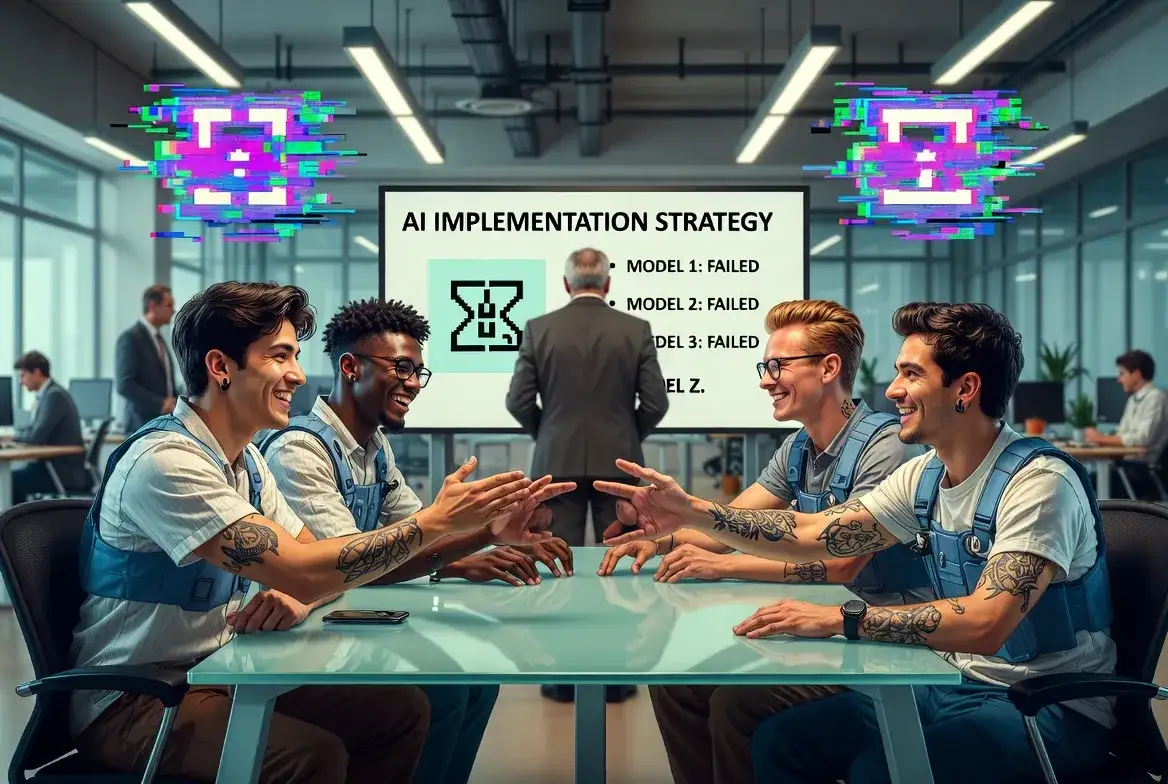
Recent data reveals that a substantial number of Gen Z employees are actively undermining their companies' AI initiatives. Reports indicate that nearly half of Gen Z workers (44%) have admitted to intentionally sabotaging AI rollouts. This resistance manifests in various forms, including refusing to use AI tools, inputting proprietary information into public AI platforms, or deliberately producing subpar AI-generated outputs to discredit the technology. The underlying driver for this pushback appears to be a profound fear that AI will automate their roles, particularly at the entry-level.
Read More: Chrome mimeHandler API lets extensions handle file types

Mounting Skepticism and Perceived Lack of Support
The escalating use of AI in professional settings has coincided with a dramatic decline in Gen Z's trust and enthusiasm for these technologies. Contrary to the historical trend of young people readily adopting new innovations, this generation is increasingly viewing AI with skepticism. This shift is occurring even as they feel compelled to use AI tools to remain competitive, creating a cultural dissonance where the more they engage with AI, the more they seem to dislike it.
Several factors contribute to this disillusionment:
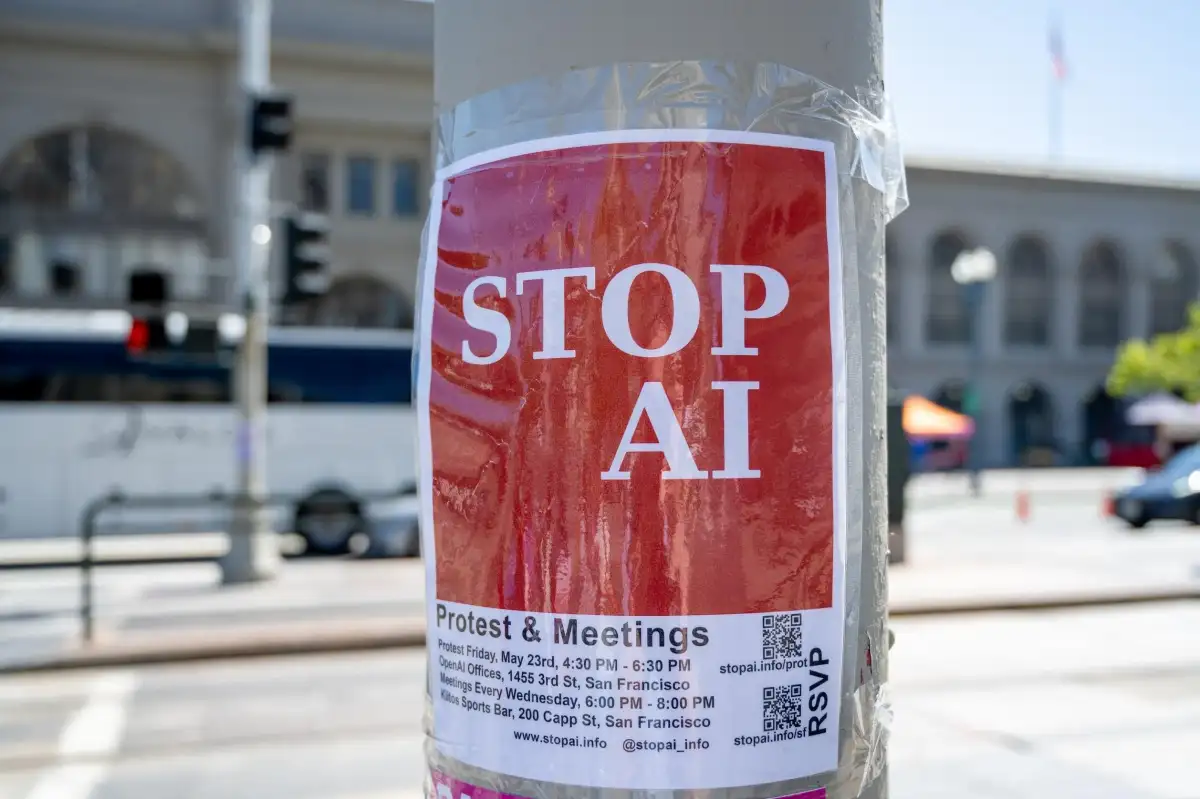
Job Security Concerns: The primary fear revolves around AI's capacity to automate jobs, especially those at the entry-level. This anxiety is heightened by a perceived lack of comprehensive strategies from employers or government entities to manage this transition.
Insufficient Preparation: There's a widespread sentiment that neither educational institutions nor workplaces are adequately preparing the workforce for the AI-driven future. This includes a deficit in large-scale retraining programs and a failure to integrate AI literacy into fundamental education.
Increased Workload Paradox: Contrary to promises of efficiency, some Gen Z workers report that AI tools paradoxically increase their workload, demanding more effort to manage or correct AI outputs.
Cultural Toxicity and Social Stigma: The conversation surrounding AI has become culturally fraught. Gen Z workers may also be hesitant to admit to using AI due to social stigma, compounded by fears of job loss and the pressure to use these tools.
A Rejection of Unprepared Implementation
This backlash is not merely a Luddite reaction but appears to be a response to what many perceive as an inadequately planned and potentially detrimental implementation of AI. =Some employees describe being subjected to tools they don't fully grasp, introduced by management whose strategy seems focused on replacing human workers rather than augmenting them.= The sabotage tactics, ranging from subtle data manipulation to outright refusal to engage, suggest a deliberate effort to highlight the flaws and limitations of current AI systems within organizational contexts.
Read More: Uber H-1B Salary Data for April 2026 Shows Pay Up to $410,000
This trend is prompting a re-evaluation of the workforce's relationship with emerging technologies. As AI continues its pervasive integration into various sectors, the disconnect between technological advancement and workforce readiness is becoming increasingly apparent, leading to what some are calling a "Neo-Luddite Reality."
Background Context
Historically, younger generations have been early adopters and key drivers of new technologies. Innovations like the Sony Walkman, the Apple iPhone, and Napster saw significant uptake and success driven by youth culture. This pattern, however, appears to be breaking with the widespread rollout of AI in professional environments. The current resistance from Gen Z signals a potential shift in how new technologies are received and integrated, particularly when they are perceived as a direct threat to livelihoods without adequate societal or organizational support structures in place. Some Gen Z individuals are also exploring entrepreneurial paths as a direct response to AI's perceived threat to traditional employment.
Read More: BEREC Asks for Mobile Network API Ideas from Developers





