

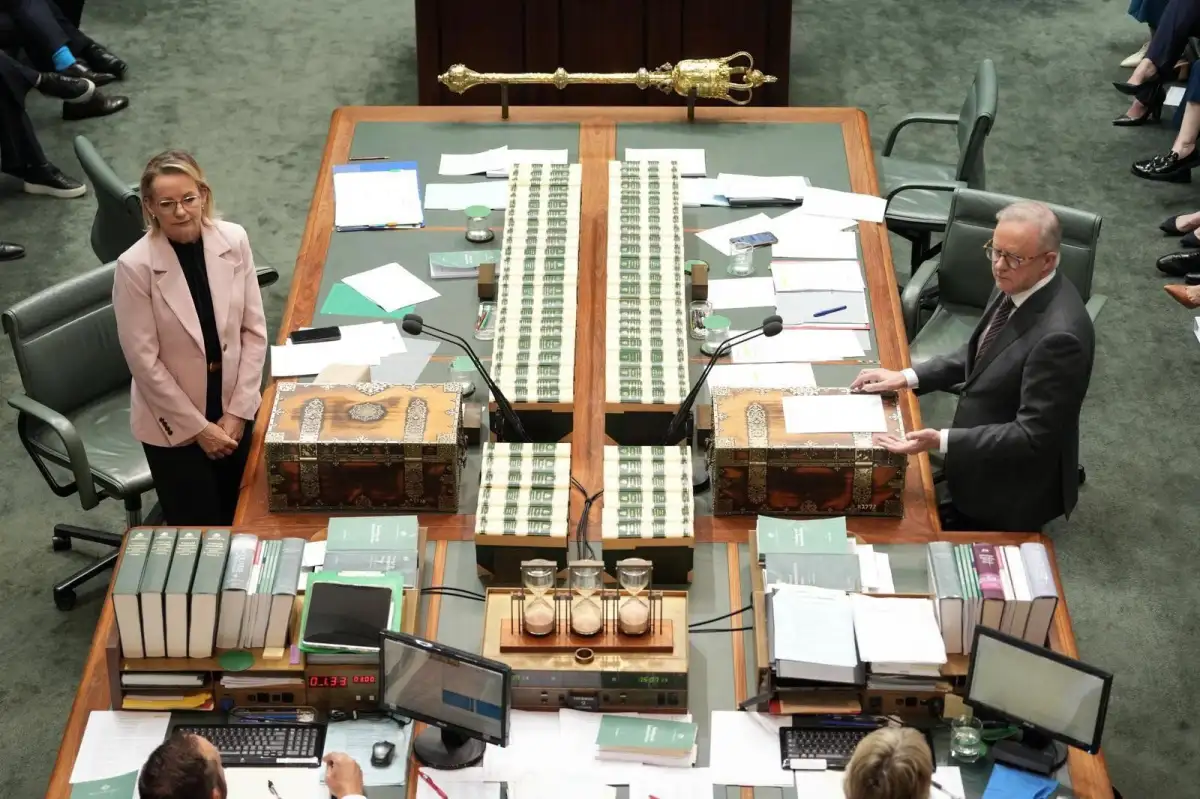
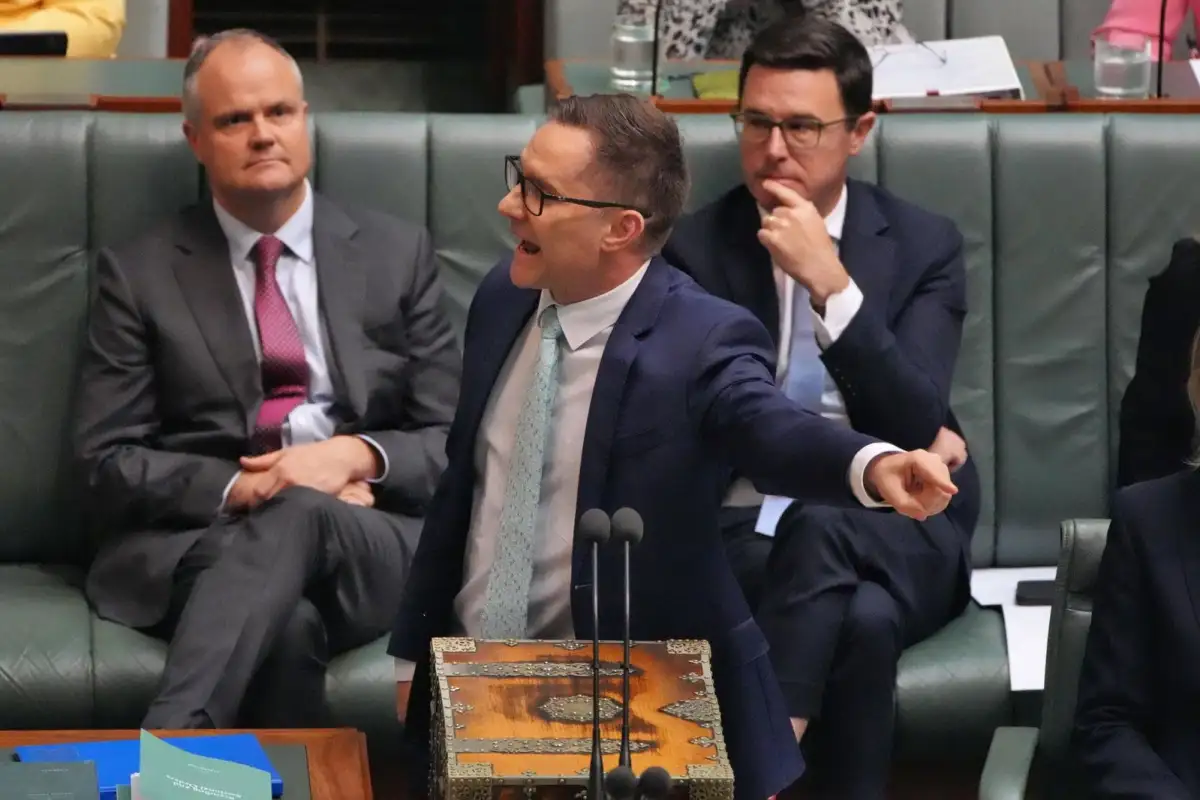
Parliament House, Canberra – The hallowed halls of Australian democracy are echoing with the sounds of disruption, not deliberation. In recent weeks, the crucial ritual of Question Time, designed to hold the government accountable, has devolved into a "free-for-all," culminating in the ejection of Ted O’Brien, the Shadow Treasurer, from the House. This isn't just about a single politician being sent to the sidelines; it signals a deeper malaise, a disturbing trend of substance being sacrificed at the altar of partisan theatre.
"What we are seeing is a breakdown in the fundamental norms of parliamentary conduct. Question Time is meant to be a vital mechanism for transparency and accountability. When it becomes a circus, the public loses faith in the entire system."
The very purpose of Question Time – to allow elected officials to grill ministers and demand answers on behalf of their constituents – is being undermined. When Ted O’Brien is ejected, and Milton Dick, the Speaker, is forced to "lay down the law," it begs the question: are our politicians truly focused on the pressing issues facing Australians, or are they more interested in scoring cheap political points? The incidents highlight a growing disconnect between the political class and the everyday struggles of citizens.
Read More: Australian NDIS Cuts: 160,000 May Lose Support by 2028
The Spectacle of Ejection: More Than Just a Political Punch-Up?
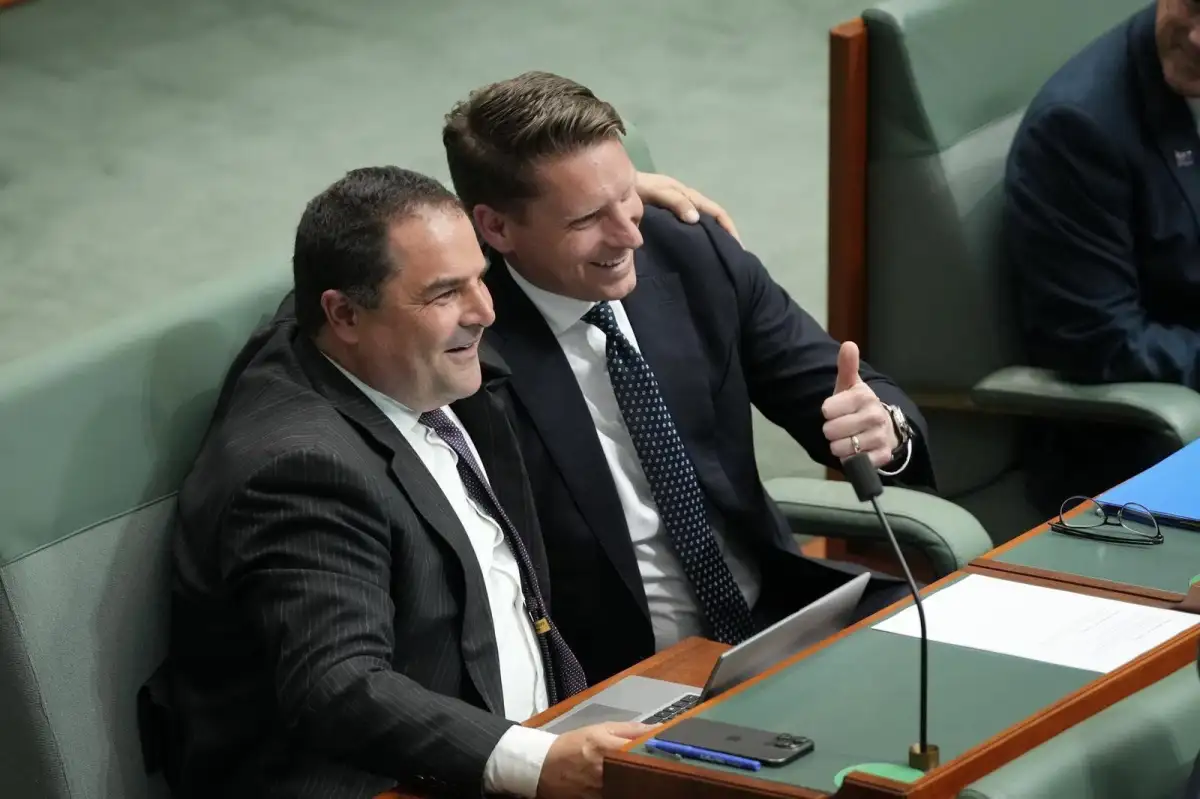
The ejection of Ted O’Brien on November 3, 2025, as reported by Memesita.com, wasn't an isolated event. It was the latest flashpoint in a series of increasingly acrimonious exchanges in Parliament. O’Brien, representing the Liberal party, was accused of failing to adequately address the financial strain on Australian families. But was his ejection a legitimate response to parliamentary decorum, or a tactic to silence a dissenting voice challenging the government's narrative on the cost of living?
The Accusation: Ted O’Brien leveled charges against the government for its perceived inaction on the financial pressures faced by Australians.
The Response: Milton Dick, the Speaker, took decisive action, removing O'Brien from the chamber.
The Underlying Issue: This clash occurred amidst broader political turmoil, including the Nationals' abandonment of their net-zero target and Labor's push on bulk-billing GPs, as noted in a report from inkl.com on November 2, 2025.
The reports from ABC News on October 9, 2025, and November 5, 2025, detail similar instances of heated exchanges and accusations, with the Treasurer himself accusing a Liberal of "egregious lies." This constant bickering raises serious questions:
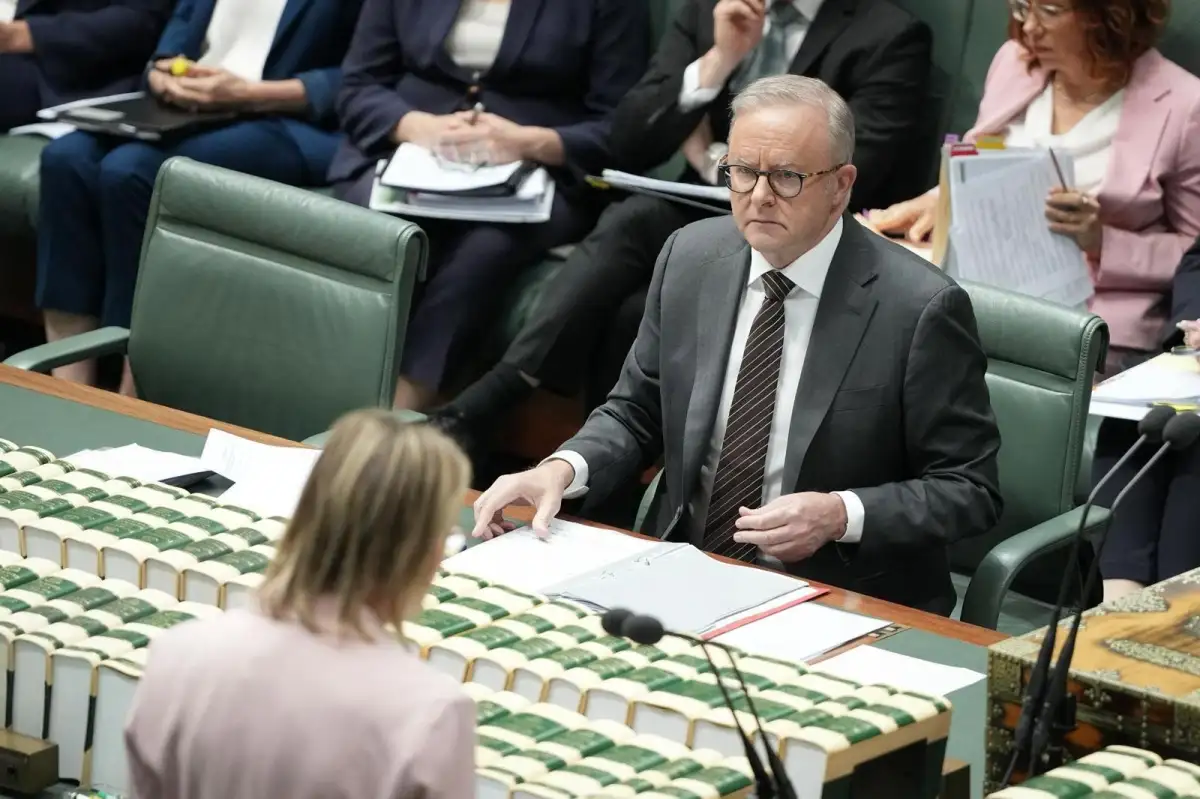
How often are substantive policy debates being drowned out by partisan attacks and personal insults?
Are these confrontations genuine attempts to challenge the government, or are they designed to generate headlines and distract from more complex policy issues?
What does it say about the health of our democracy when the primary mechanism for scrutinizing the executive becomes a battleground for political point-scoring?
A Crisis of Civility: Beyond Question Time
The issues plaguing Question Time are symptomatic of a broader problem in Australian politics: a declining standard of discourse and a widening gap between political promises and tangible outcomes. Memesita.com, in its report on the Ted O’Brien incident, directly called for a "restoration of Trust and Order," emphasizing the need for:
Read More: Starmer Admits Fault for Mandelson Appointment After Vetting Issues
Shifting the focus from political point-scoring to substantive policy debates.
Establishing regular forums for constructive dialogue between government and opposition members.
A concerted effort from all sides of the political spectrum to restore public trust.
This call to action is not unfounded. Consider the ongoing debates around climate policy. While the Liberals grapple with internal divisions, as highlighted by inkl.com, with the Nationals reportedly abandoning the net-zero target, the government is touting its own actions on cost of living. Meanwhile, Ted O’Brien has previously been involved in developing the Coalition's nuclear energy plans, as noted by The Conversation in June 2025.
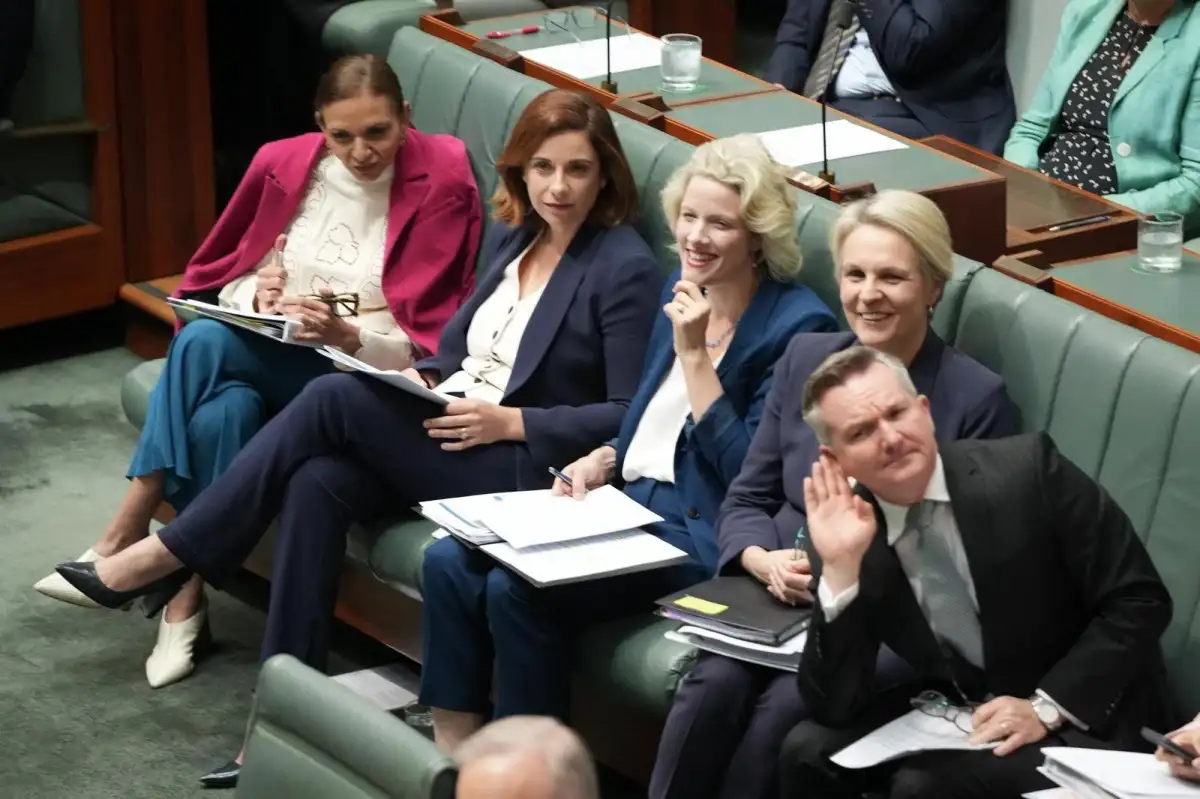
Coalition's Internal Strife: The Nationals' departure from the net-zero target signals a significant ideological rift within the Coalition, complicating any unified opposition stance.
Labor's Policy Push: The government is actively promoting its cost-of-living initiatives, seeking to capitalize on the opposition's disarray.
Energy Policy Divergence: The Coalition’s focus on nuclear energy, spearheaded by figures like Ted O’Brien, contrasts sharply with the government’s approach, creating a complex energy debate.
This ideological fragmentation and the constant political maneuvering leave many Australians wondering:
Are our politicians capable of finding common ground on critical issues like climate change, even when faced with mounting evidence of its impacts?
How can the public trust that policy decisions are being made in the national interest when internal party politics appear to be a dominant factor?
What are the long-term consequences for Australia's standing on the international stage if it cannot present a united front on crucial global issues?
Echoes of Past Conflicts: A Pattern of Disruption?
This current climate of parliamentary friction is not entirely unprecedented. The very nature of political opposition often involves robust debate and challenging the government. However, the frequency and intensity of recent disruptions suggest a more systemic problem. The ABC News report from November 5, 2025, mentions the Treasurer accusing a Liberal of "egregious lies" and discussions around capital gains tax discounts and environmental reform bills.
Read More: Australia NDIS Changes Eligibility and Cuts Funding from May 2026
The political landscape is characterized by differing priorities across parties:
| Party | Stated Priorities/Focus Areas (based on data) |
|---|---|
| Labor | Cost of living, bulk-billing GPs, childcare reform, environmental reform. |
| Liberal | Financial strain on families, grappling with internal policy differences (e.g., net-zero target). |
| National | Seemingly diverging from established climate targets (net-zero). |
| Greens | Examining the inequity of capital gains tax discounts, understanding environmental reform. |
The complexities are further amplified when examining individual portfolios. For instance, Angie Bell, Shadow Environment Minister, has been questioned on the government's overhauled environment laws, highlighting the ongoing scrutiny in this area. Similarly, the health minister notes mental health as a primary reason for GP visits, a crucial issue often intertwined with broader economic and social pressures.
This intricate web of competing interests and the apparent difficulty in finding consensus lead to crucial questions:
When political parties are so deeply divided on fundamental issues like climate change and economic policy, how can they effectively govern for the benefit of all Australians?
Is the current parliamentary system adequately equipped to handle such deep ideological rifts, or does it inherently foster gridlock and public frustration?
Are voters being presented with clear, distinct policy choices, or are they faced with a fragmented political landscape where consensus on critical issues is an elusive dream?
The Erosion of Trust: What Happens When the Answers Don't Come?
The core function of Question Time is to elicit information and hold power to account. When the process breaks down, and questions are met with evasion, partisan attacks, or simply silence, the public’s trust in political institutions erodes. The incident involving Ted O’Brien's ejection is a symptom of a larger disease: a potential breakdown in the very communication channels that democracy relies upon.
Read More: Minister Says Starmer Appointed People Who Defend Paedophiles
We’ve seen instances where the public’s direct experience highlights significant systemic failures, such as the reported Optus triple-zero outage in November 2025, where a customer was reportedly told to visit a store after a critical service failure. While this specific incident is related to a private company, the public's expectation is that such disruptions will be addressed with transparency and efficacy by those in power, especially when critical infrastructure is involved.
The core issues at play are:
Accountability: Are ministers and governments truly being held accountable when their answers are evasive or their opposition is fractured?
Transparency: Is the public being given a clear understanding of the challenges and proposed solutions, or is political theatre obscuring the facts?
Representation: Are the voices and concerns of ordinary Australians being genuinely heard and addressed in the parliamentary arena?
The current state of affairs demands serious introspection. The spectacle of parliamentary infighting, while often generating headlines, risks alienating a public that is already struggling with economic uncertainty and a myriad of other pressing concerns. The challenge for all parties, and indeed for the Speaker and the institution of Parliament itself, is to rein in the theatrics and refocus on the substance of governance. Without this shift, the "free-for-all" in Question Time will continue to be a grim, if unsurprising, reflection of a democracy struggling to meet the demands of its people.
Read More: Angus Taylor Challenges Sussan Ley for Liberal Party Leader
Sources:
ABC News: Shadow treasurer ejected from QT as Chalmers pokes fun — as it happened (October 9, 2025) - https://www.abc.net.au/news/2025-10-09/federal-politics-live-blog-october-9/105868056
Inkl.com: Optus customer who reported triple-zero outage told to go to store – as it happened (November 2, 2025) - https://www.inkl.com/news/australia-politics-live-liberals-under-pressure-after-nationals-abandon-net-zero-target-labor-spruiks-rise-in-bulk-billing-gps
Memesita.com: Australia Politics Live: Ted O’Brien Ejected – Cost-of-Living Clash (November 3, 2025) - https://www.memesita.com/australia-politics-live-ted-obrien-ejected-cost-of-living-clash/
ABC News: QT erupts as treasurer accuses Liberal of 'egregious lies' — as it happened (November 5, 2025) - https://www.abc.net.au/news/2025-11-05/federal-politics-live-blog-nov-5/105971464
The Conversation: Ted O'Brien News, Research and Analysis (June 24, 2025) - https://theconversation.com/topics/ted-obrien-143291
ABC News: 'How can I survive?' Politicians confronted by voters doing it tough on Q+A (March 31, 2025) - https://www.abc.net.au/news/2025-03-31/q-a-live-blog-election-gears-up-with-ed-husic-and-ted-o-brien/105117326
Sky News Australia: Albo locked Bowen in a cupboard? Deputy Liberal leader Ted O’Brien mocks energy minister, renews energy debate - https://www.skynews.com.au/australia-news/politics/albo-locked-bowen-in-a-cupboard-deputy-liberal-leader-ted-obrien-mocks-energy-minister-renews-energy-debate/news-story/92a7f2e8d2f7e2ee3f00bdc02e8fc4b2


