Genetic Evidence Challenges Widespread Labels and Control Methods
Recent scientific analyses employing extensive DNA markers reveal a significant discrepancy between common parlance and biological reality concerning free-roaming canines in Australia. The vast majority of animals historically categorized as "wild dogs" are, in fact, pure dingoes or dingo-dominant hybrids. This finding casts doubt on the pervasive use of the term "wild dog" and, by extension, the justification for certain control strategies.

Researchers examining over 300 free-roaming canines across the continent found that, on average, only about 11.7 percent of their DNA originates from domestic dogs. In specific studies, figures indicated that 98 to 99 percent of tested animals were pure dingoes or dingo-dominant hybrids, possessing more than 50 percent dingo genes. Actual feral domestic dogs appear to be remarkably scarce.

These genetic insights suggest that the perception of widespread dingo-dog hybridization may be inflated, particularly in areas with intensive lethal control programs. Levels of domestic dog ancestry were found to be highest in southeastern Australia, including Victoria and New South Wales, and considerably lower in the remote northern and western regions. This regional disparity, coupled with observations that some southeastern populations exhibit less genetic diversity than those in the north and center, points to a complex interplay of factors, including culling practices and historical population dynamics.
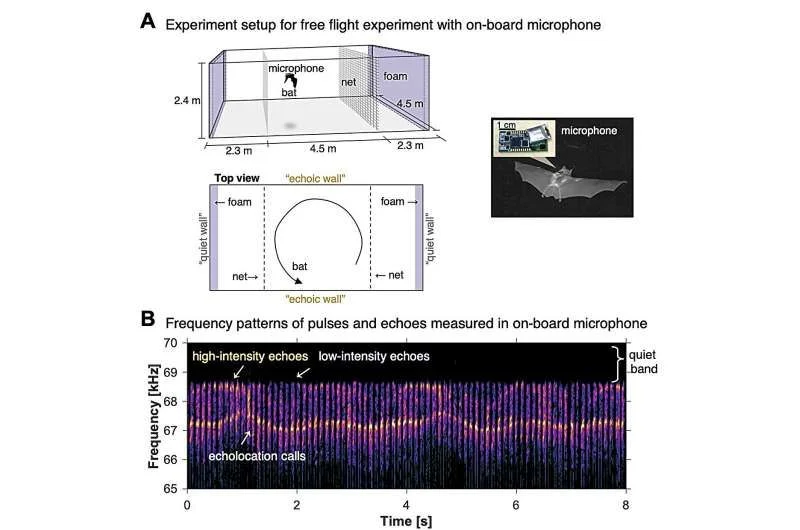
Read More: Bats Create Silent Zones to Hear Bugs Better in Noise

Implications for Conservation and Management
The clarification of these canines' genetic identity has tangible consequences for their legal and management status. In regions like Victoria, dingoes are legally classified as a threatened, protected species, while animals designated as "wild dogs" are often treated as pest animals. The inability to reliably distinguish between dingoes and supposed "wild dogs" visually complicates efforts to manage populations, raising questions about the appropriateness and efficacy of existing control programs, such as aerial baiting.

The scientific consensus is leaning towards advocating for more precise terminology. Terms such as "dingo" and "feral dog" are being proposed as more accurate descriptors, acknowledging the distinct ecological and cultural roles of these animals. The findings challenge the notion that pure dingoes are on the verge of extinction due to hybridization.
Background and Cultural Significance
Dingoes (Canis lupus dingo) have a long history in Australia, with ancient DNA studies indicating their arrival between 3,000 and 8,000 years ago. They are believed to have traveled to the continent with human traders. These animals hold deep cultural significance for Australia's First Peoples, often recognized as a totem species. Recent initiatives are emerging to protect their cultural importance.
Read More: Hunter Region Gets $12 Billion Train Factory
The ecological role of dingoes as apex predators is also increasingly recognized. Their size, typically around 15kg, is generally not suited for attacking cattle, suggesting that attacks on livestock may be more attributable to specific individuals or different canine populations. The ongoing debate over their status highlights a convergence of scientific, Indigenous, and agricultural knowledge pointing towards the need to protect dingoes for their ecological and cultural value.