:max_bytes(150000):strip_icc():focal(688x412:690x414)/king-charles-III-the-kings-foundations-annual-crafts-at-christmas-121624-1-89c3e31f0beb46639fb85f8b44ddbfeb.jpg)
Experimental RNA Therapies Coupled with Immunotherapy Reported
King Charles is reportedly undergoing an "incredibly novel and very, very expensive" course of cancer treatment. Sources close to the palace suggest this involves a combination of immunotherapy and experimental RNA drugs. This 'cutting-edge' approach is being administered as speculation grows about the monarch's health prognosis and the extent of his recovery.
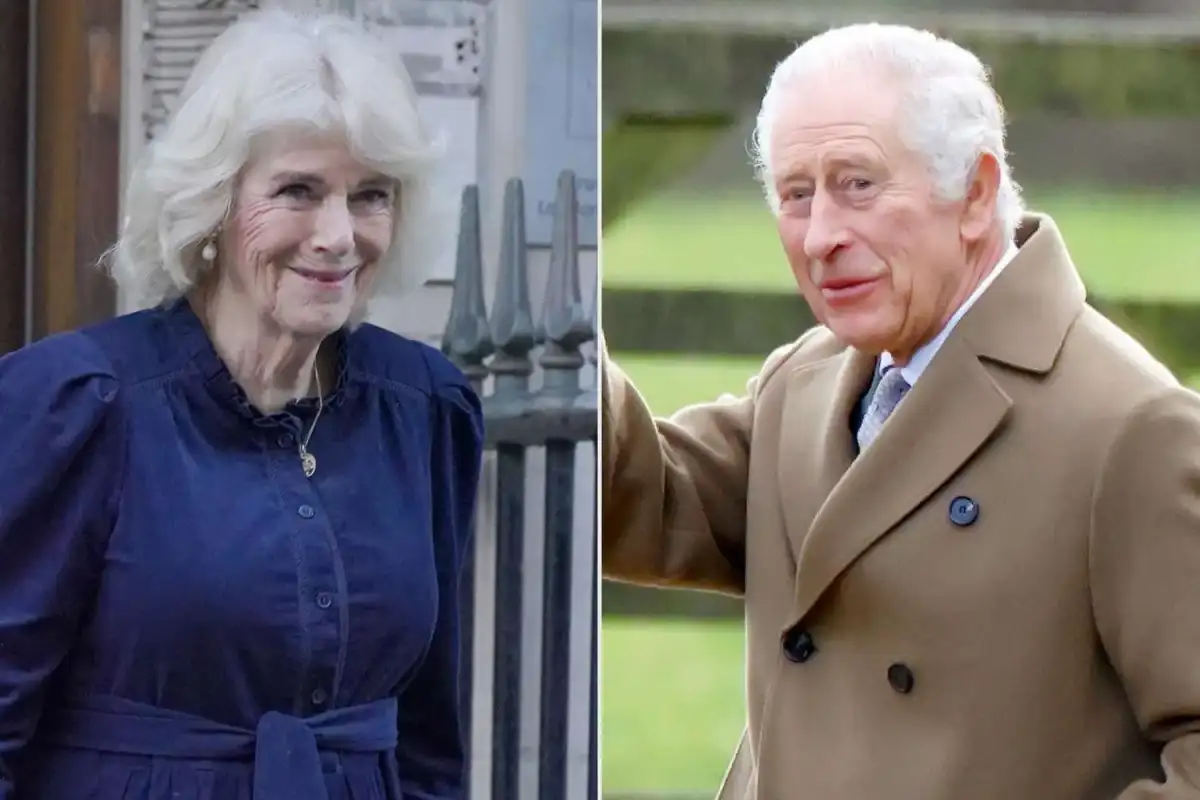
The nature of this treatment, combining established immunotherapy with experimental RNA therapies, indicates a significant investment and a potentially aggressive strategy in managing the King's undisclosed cancer. While official statements from Buckingham Palace remain guarded, the persistent reports of such advanced, costly treatments raise further questions about the King's long-term health.
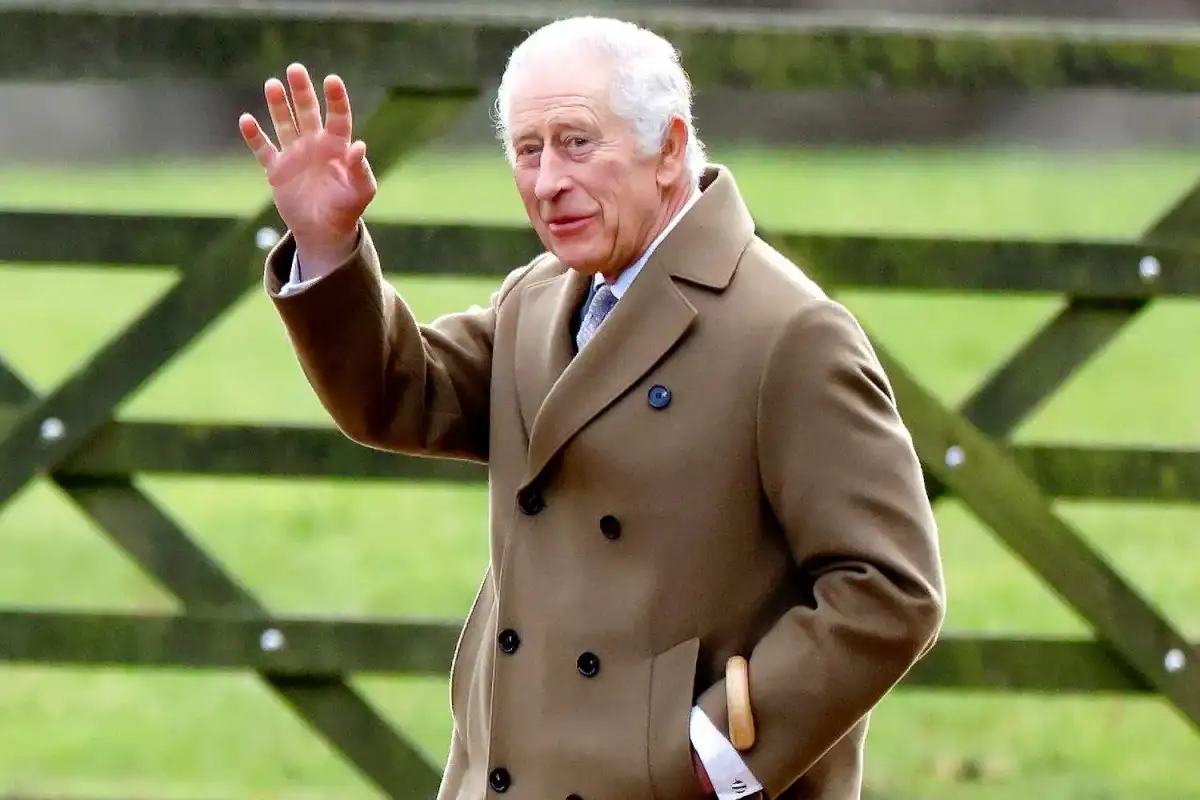
The King's public appearances have increased recently, fueling further discussion. His return to overseas travel and more visible royal duties has been interpreted by some as a sign of improved health. However, the Palace has not directly linked these public engagements to his treatment specifics or offered further comment on the use of RNA therapies.
Read More: India IVF Costs And Social Barriers Limit Access In April 2026
Timeline of Public Awareness and Royal Statements
King Charles publicly disclosed his cancer diagnosis in early 2024. This admission was considered unusually frank for a reigning British monarch. His treatment journey has been largely private, though punctuated by periodic updates.
February 2024: Unspecified cancer discovered.
January 2025: Discharged from hospital following treatment for an enlarged prostate; cancer diagnosis was unrelated.
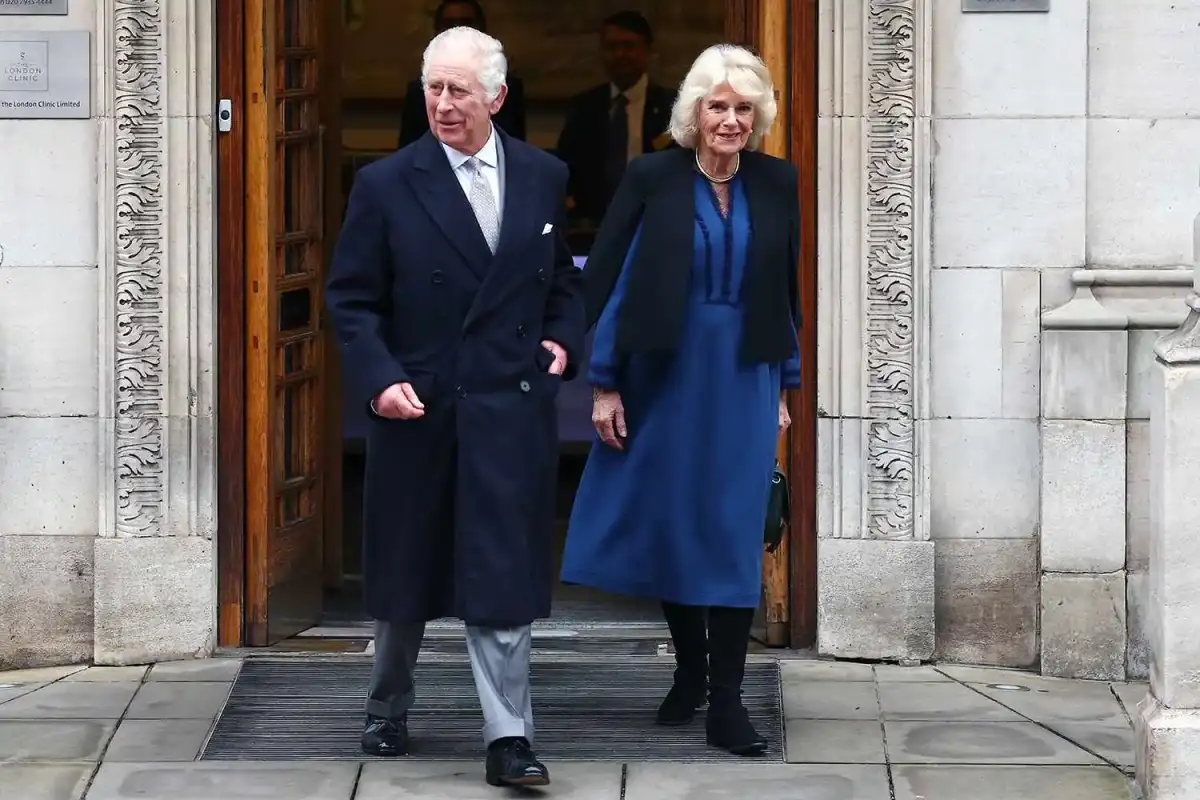
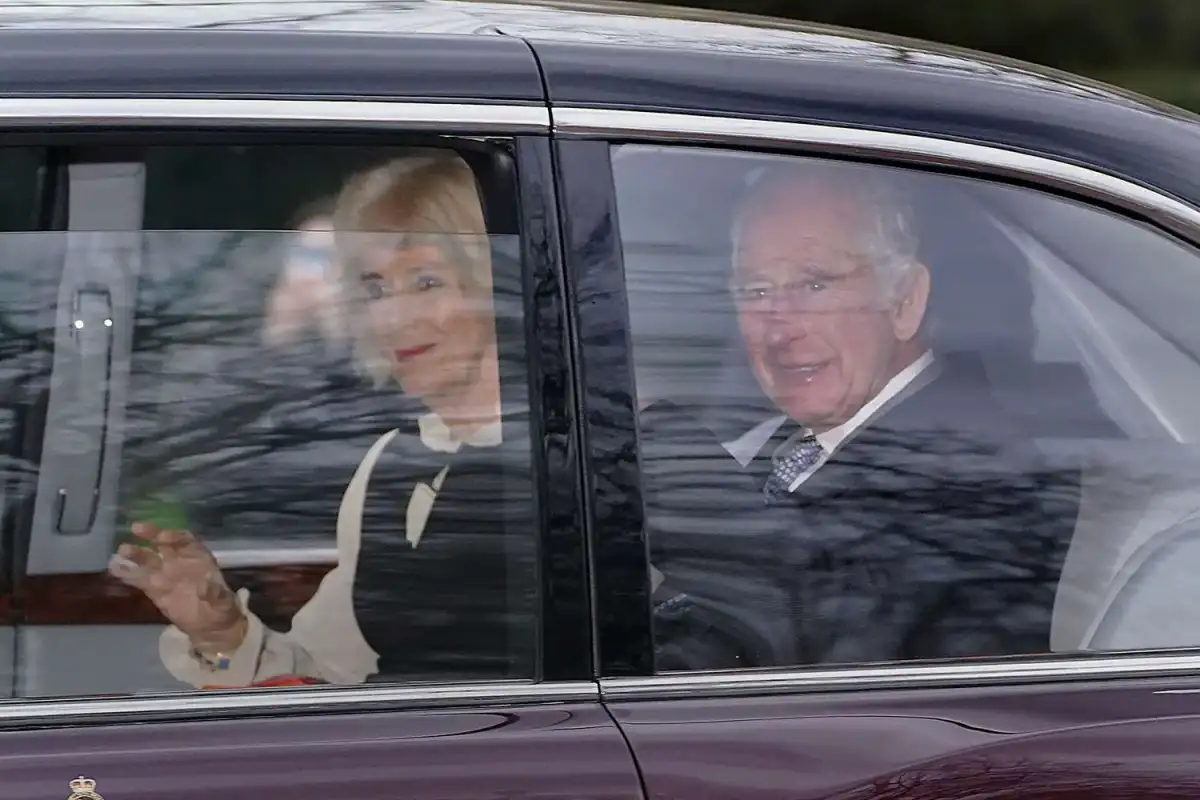
April 2025: First public appearance since diagnosis, visiting a cancer hospital with Queen Camilla. Resumed some public-facing duties.
December 12, 2025: Released a rare public statement via social media, announcing his cancer treatment would be 'reduced' in the new year. He credited 'early diagnosis' and 'effective intervention' for his improved situation.
In his December 2025 statement, broadcast as part of a 'Stand Up To Cancer' initiative, the King conveyed a hopeful message, stating his "schedule of cancer treatment can be reduced." He also emphasized the importance of early diagnosis, noting that "quite simply saves lives." This public stance has reportedly encouraged people to seek more information about cancer, with UK cancer charities observing a notable increase in such inquiries following his announcement.
Buckingham Palace stated in a briefing prior to the broadcast that the King had "responded exceptionally well" to treatment. Ongoing measures, they indicated, would transition into a "precautionary phase," subject to continuous monitoring. The specific type and stage of the King's cancer have not been disclosed.
Read More: Andrew Mountbatten-Windsor Released After Arrest for Misconduct in Public Office on His Birthday
Background: A Palace Guarded on Health
The British monarchy, historically, has maintained a significant degree of privacy concerning the health of its senior members. King Charles' public acknowledgment of his cancer marked a departure from this tradition, reflecting a contemporary shift in how royal health matters are handled. The intense public interest, however, continues to surround any information, official or otherwise, regarding the King's well-being. His initial diagnosis followed a period where he underwent treatment for a benign enlarged prostate. The cancer itself was found incidentally during this process.