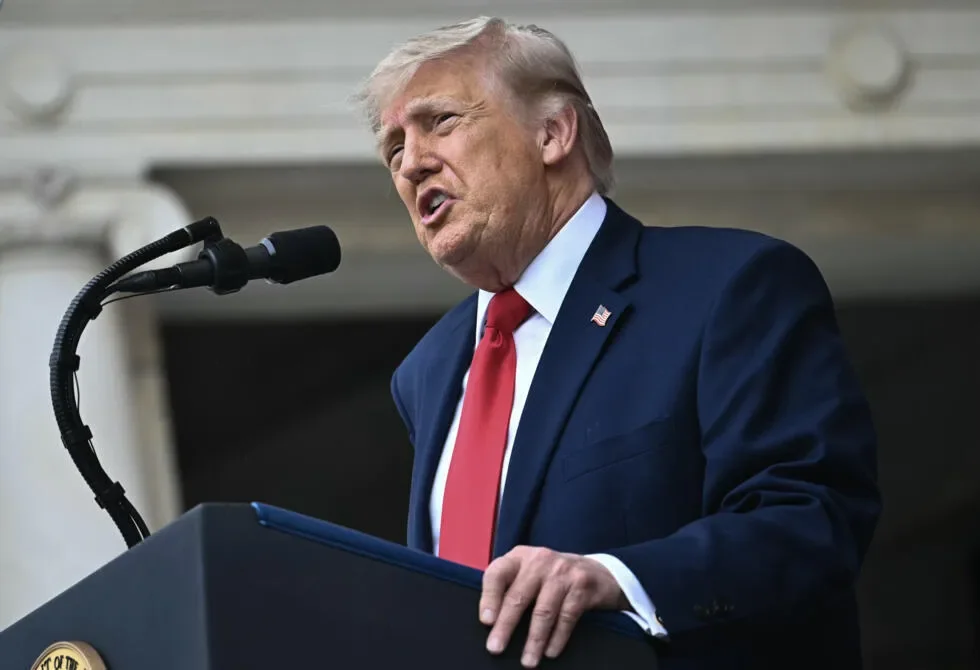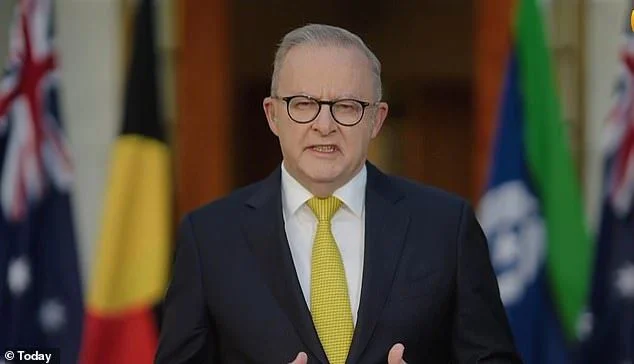
Canberra has stated it will not participate in the US-led blockade of the Strait of Hormuz, a move initiated by President Donald Trump following collapsed peace talks with Iran. Prime Minister Anthony Albanese confirmed that Australia has not been asked to assist in this action, which has significant global economic ramifications, including for Australia. The decision to blockade the critical oil chokepoint was announced unilaterally by the US.

The Strait of Hormuz, a vital transit point for global oil, recently handled about a fifth of the world's oil supply, making its blockage a potent economic lever.

Albanese, in a notable shift from his usual diplomatic approach, has publicly voiced his reservations about Trump's rhetoric. He described the threats as "extraordinary" and "not appropriate" for a United States president. This marks a rare instance of direct criticism from the Australian Prime Minister towards the American leader, who has employed strong language regarding potential actions against Iran.
Read More: AFP Reviews War Crime Claims Against Australian in Gaza

Australia has welcomed a recent two-week ceasefire between the US and Iran, which averted more severe military action. However, Albanese has expressed unease with the escalating rhetoric surrounding the conflict, indicating a desire for de-escalation. This stance contrasts with earlier periods of the conflict where Australia supported US-Israeli strikes on Iran.

The situation remains fluid, with international observers watching the US-Iran negotiations closely. The effectiveness of the ceasefire and the potential for further diplomatic engagement hinge on Iran's willingness to concede on key issues, including the Strait of Hormuz and its nuclear program. Australia's diplomatic strategy appears to be navigating a delicate balance between supporting its key ally and managing the unpredictable nature of US foreign policy under President Trump.
Background: A Volatile Exchange
The recent events follow a period of intense negotiations and threats between the US and Iran. A ceasefire agreement was reached shortly before a self-imposed deadline by President Trump, who had warned of devastating attacks on Iran's civilian infrastructure, including bridges and power plants, if demands were not met.
Read More: Iran Warns Gulf States After U.S. Naval Clash
This escalation comes after earlier US and Israeli strikes on Iran, which initiated the current conflict. Iran, in retaliation, had effectively shut down passage through the Strait of Hormuz, a crucial shipping lane. The collapse of peace talks over the weekend appears to have triggered Trump's latest aggressive stance.
Within Australia, the Prime Minister's measured criticism has drawn some attention. Opposition figures, such as Matt Canavan, have called for a stronger stance against the US approach, while others within the coalition have offered differing perspectives. This internal political discourse highlights the complexities Australia faces in balancing its alliance with the US and its own national interests amidst a volatile international landscape. The government's previous strategy had largely been one of diplomatic silence in the face of Trump's provocative statements, a tactic that now appears to be undergoing revision.
Read More: Indus Waters Treaty remains suspended in India and Pakistan April 2026