The ongoing hostilities in the Middle East, now in their second month, are exacting a significant toll on global financial stability and the broader world economy. The conflict has triggered a sharp and rapid surge in energy prices, compounded by disruptions to crucial shipping and food supply chains, creating vulnerabilities particularly acute for emerging markets and already struggling populations. Reports indicate a substantial increase in crude oil prices, with significant percentages of globally traded oil transiting the Strait of Hormuz. Humanitarian aid shipments are also severely hampered, with a substantial portion of aid distributed through a Dubai hub now effectively frozen.
Global Economy Under Strain, Resilience Tested
Central banks worldwide are grappling with a familiar predicament: the need to tame rising inflation by increasing interest rates, a move that risks further slowing already fragile economic growth. This energy price shock, coupled with limited spare capacity in global energy markets, is creating a challenging environment where efficiency and reduced energy consumption are becoming paramount. The financial markets, while absorbing initial shocks with a degree of order, are facing renewed focus on public debt risks, particularly concerning for developing economies.
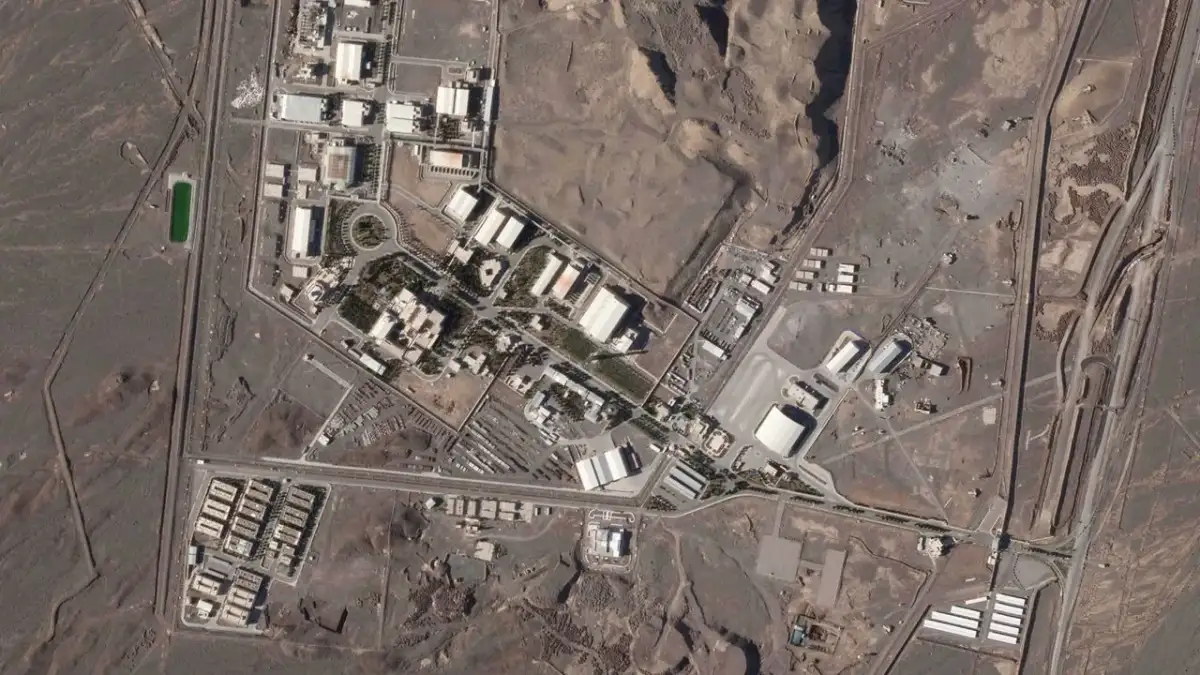
Read More: Iran Zagros Mountain Nuclear Site Construction Update April 2026
Widening Humanitarian Crisis and Development Reversals
The consequences of the escalating conflict extend far beyond direct participants, with projections suggesting that over 30 million people worldwide could be pushed into poverty due to military escalation. Vulnerable regions, including the Gulf, Asia, Sub-Saharan Africa, and Small Island Developing States, are disproportionately affected. The United Nations Development Programme warns that prolonged disruption risks accelerated lapses into poverty in these areas, underscoring the need for early policy interventions. Waves of displacement are also increasing, exacerbating already urgent humanitarian needs across various regions.
Interconnected Disruptions and Regional Ramifications
The conflict is generating ripple effects across four interconnected themes: energy and water security, the economy, shipping disruption, and food security, conflict and social cohesion, and humanitarian needs. Attacks by Iran-backed armed groups on US and Israeli assets in Iraq have intensified, contributing to regional instability. The targeting of civilian infrastructure, including airports, oil facilities, and residential areas, by various actors further heightens global economic perils, especially for nations reliant on energy imports.
Read More: Why AI Market Growth Is Slowing Down As Of April 2026
Broader Regional and International Responses
The UN Secretary-General has voiced concerns about a "wider war," highlighting the daily increase in attacks on civilians and civilian infrastructure. Resolutions are emphasized as needing to be firmly anchored in international law.
Countries in Asia and the Pacific are facing moderated growth forecasts and rising inflation, directly linked to geopolitical tensions and energy market disruptions stemming from the Middle East. The Asian Development Bank anticipates that more severe and prolonged disruptions could significantly reduce regional growth.
In the ASEAN+3 region, a prolonged conflict implies sustained higher energy costs and difficult policy trade-offs, despite existing oil reserves and stockpiling arrangements.
Background and Historical Context
The current hostilities involve a complex web of state and non-state actors, including Israel, Iran, Lebanon, Iraq, and Yemen, alongside groups such as Hezbollah, Hamas, and the Houthis. Iran's long-standing regional strategy has relied on proxies and ambiguity rather than direct state-to-state confrontation. Previous global shocks, such as the Ukraine-Russia conflict, have demonstrated a degree of economic resilience, but the current Middle East situation presents a more complex and multi-faceted challenge. The international community continues to call for adherence to international law and the UN Charter in seeking resolutions.