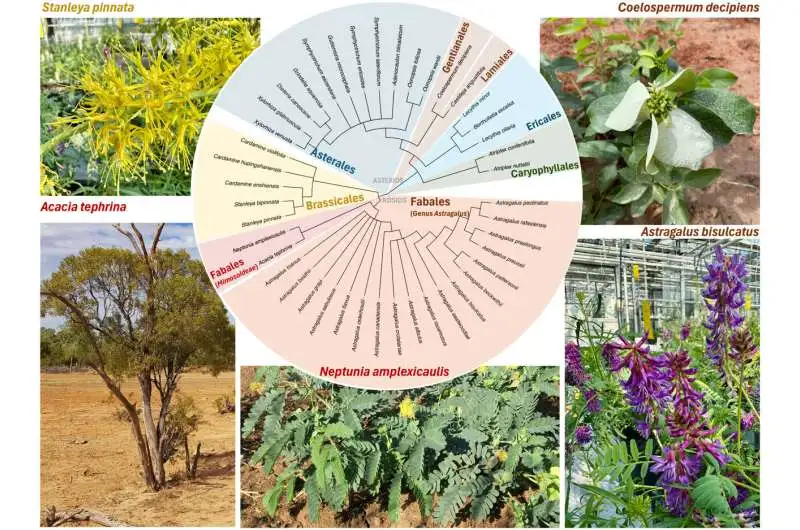
A comprehensive model now charts how plants interact with selenium, an element both essential for human health and potentially toxic to flora, revealing its intricate dance with sulfur metabolism. This work consolidates existing knowledge into a unified map, aiming to guide future research and agricultural practices towards selenium-enriched crops.
Researchers have constructed the first detailed atlas of plant selenium metabolism. This effort systematically compiles all known information regarding how plants absorb and process this element. The new model highlights selenium's dual character: crucial in small quantities for animals and humans, but often not required by plants themselves and potentially damaging due to its chemical similarity to sulfur. Understanding this interplay is deemed vital for both academic inquiry and industrial application, particularly in efforts to enhance selenium levels in crops.
The Complex Chemistry of Selenium in Plants
The newly developed atlas emphasizes the close relationship between selenium and sulfur metabolism in plants. Selenium, while chemically akin to sulfur, can exhibit toxicity. This resemblance means that plants' internal machinery for handling sulfur is often co-opted, or sometimes confused, when dealing with selenium. The atlas maps out seven distinct strategies plants employ to defend against selenium's harmful effects, which manifest in different ways depending on whether the selenium is in inorganic or organic form.
Read More: New Wheat Makes Bigger Starch for Food and Industry
"The review, supplementary datasets and figures are intended as a comprehensive resource to guide plant Se research and help improve crop Se levels for a healthy future."
This resource specifically focuses on 'hyperaccumulator' plant species – those capable of accumulating unusually high concentrations of selenium in their tissues. Such plants offer a potential pathway for 'biofortification,' a strategy to develop food crops with elevated selenium content. This approach is seen as a possible solution to widespread selenium deficiency in human diets.
Background and Future Implications
Selenium is an element with specific nutritional requirements for many life forms, including humans, although most plants naturally contain very low levels. The research systematically gathered existing data, integrating it into a cohesive metabolic map.
The atlas serves as a foundational tool for scientists and industries looking to better understand and manipulate plant selenium uptake and storage. Its development is driven by the need to address 'selenium deficiency' and explore 'biofortification' as a means to improve public health through diet. The project draws on keywords such as 'Arabidopsis', 'abiotic stress', 'elementome', and 'stress tolerance', underscoring the complexity of plant responses to elemental exposure.
Read More: Indigenous Data Rights Now Key in Conservation Genomics