A museum dedicated to the history of the 'Underground Railroad' has filed a lawsuit against the Trump administration, alleging that a federal grant was unlawfully canceled due to the institution's focus on Black history and culture. The suit, lodged on March 20, 2026, in the U.S. District Court for the Northern District of New York, contends that the termination of funding violates constitutional protections against discrimination. The museum asserts that this action is part of a broader pattern of the administration targeting diversity-focused initiatives and institutions that preserve Black heritage.

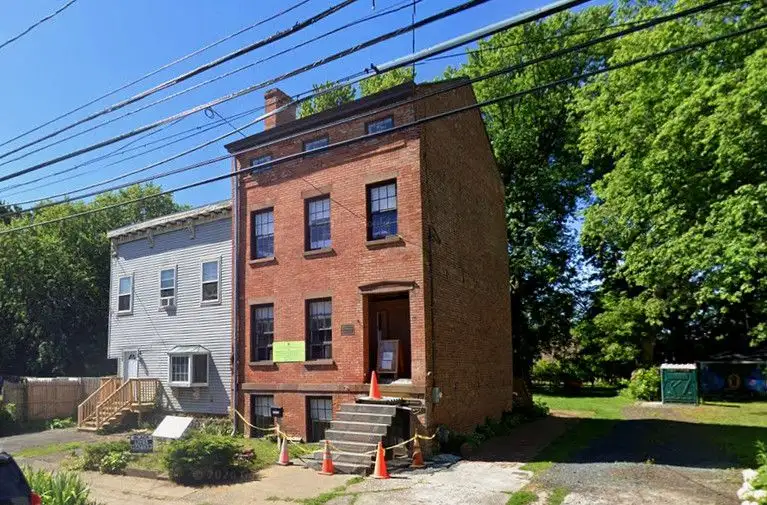
The Underground Railroad Education Center (UREC), located in Albany, New York, occupies the former home of abolitionists Stephen and Harriet Myers. The center focuses on pre-Civil War efforts to aid enslaved people in their escape. Lawyers for the museum claim there is "no legitimate basis" for the grant's cancellation, suggesting it amounts to an "explicitly erasing things associated with the Black race." This legal challenge arises amidst the administration's widely publicized directives aimed at dismantling programs and policies associated with diversity, equity, and inclusion (DEI).
Read More: Supreme Court: Higher Degrees Don't Guarantee Lower-Level Jobs
Roots of the Dispute
The lawsuit details that approximately 1,400 grants were terminated in early April 2025, ostensibly due to their "conflict with President Trump’s EOs and the new agency priorities adopted in their wake." The UREC's legal team argues that the administration's actions reflect statements and policies that denigrate Black history and support white supremacy. The complaint cites numerous instances of the administration's purported efforts to de-emphasize or alter narratives concerning Black history, including past attempts to reframe the Underground Railroad as merely an example of "Black/White Cooperation" and the removal, then subsequent restoration under duress, of Harriet Tubman's story from a National Park Service webpage.
Historical Context and Broader Ramifications
The UREC, founded by Paul and Mary Liz Stewart, highlights a historically Black neighborhood in Albany. The Stewarts acquired the Myers' residence in the 1950s, transforming it into an educational center that offers tours and activities. The suit suggests that organizations like the UREC are systematically targeted, prompting broader concerns about the administration's stance on preserving and promoting Black historical narratives.
Read More: Mysuru Railway Museum Displays 1880s 2000kg Luggage Scale
This case is not isolated. The administration has reportedly faced scrutiny for similar funding decisions affecting other Black historical institutions. Legal filings indicate the administration's executive branch revoked support for organizations perceived as prioritizing diversity, equity, and inclusion. A separate legal matter in Philadelphia saw a judge ordering the restoration of a slavery exhibit after its removal, further underscoring the administration's actions regarding historical displays and the interpretation of race in American history. The UREC's suit seeks to overturn the grant's repeal and recover the lost funding.