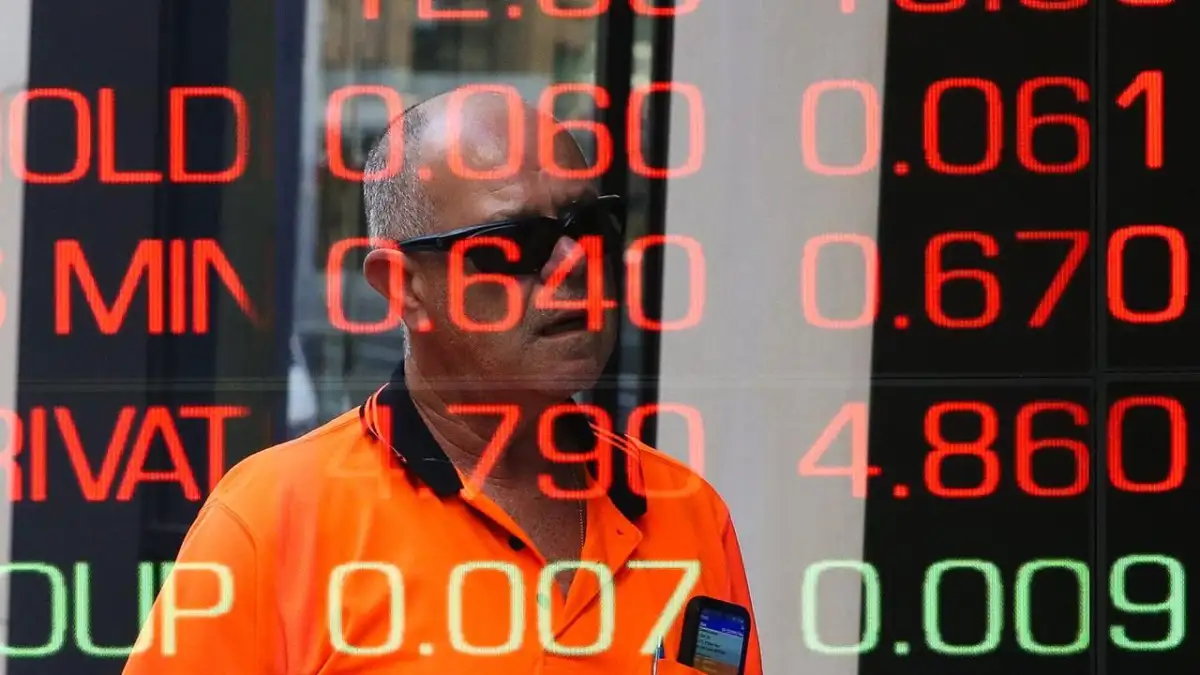
The Australian Securities Exchange (ASX) has plunged to a seven-week nadir, a sharp descent triggered by a confluence of global anxieties. Escalating oil prices, driven by geopolitical strife in the Middle East, have amplified concerns over inflation and the persistence of elevated interest rates. This downturn mirrors weakness seen on Wall Street, where major indices also retreated from recent peaks.
Monday's trading session saw the S&P/ASX 200 Index slide by 1.5 per cent, reaching its lowest point since early April. This broad-based weakness saw most stocks haemorrhage value, with industrials and consumer-facing sectors particularly affected. The Australian dollar also weakened, trading at 71.48 US cents.
The immediate catalyst for the market's unease appears to be the renewed instability in the oil markets, exacerbated by the ongoing Iran conflict. This situation, described by some reports as "bruising" for the Australian market, has ignited fears of supply shocks and sustained price increases. The narrative surrounding the oil market points towards a continuing shortfall, irrespective of immediate conflict resolution.
Read More: How Apple uses binned chips in MacBook Neo and iPhone 17e in 2026

Specific stock movements highlighted the market's jitters. Brambles Ltd (ASX: BXB) endured its worst day since 2002, plummeting after a downgrade. Conversely, KTEK Aerosystems soared by 107 per cent on its debut. Mining giants also felt the pressure, with BHP shedding 2.8 per cent, Northern Star losing nearly 2.5 per cent, Fortescue falling 2.9 per cent, and Rio Tinto dropping 3.6 per cent. Gold equities were not immune, with bond yield and inflation concerns impacting names like Newmont and Greatland Resources.
This market contraction follows a period of investor nervousness, amplified by disappointing industrial production figures from China, which fell short of expectations at 4.1 per cent year-on-year for January-April. Wall Street’s Friday close was also lower, with the S&P 500, Dow Jones, and Nasdaq composite all registering declines from their all-time highs.
The broader economic landscape is coloured by rising bond yields and persistent inflation worries, a sentiment that appears to be casting a long shadow over equities. Reports suggest a continuing trend of rising oil prices, with some analyses indicating this is the longest winning streak since January.
Read More: Northern NSW Floods: Hundreds Rescued from Record Deluge

While energy stocks like Woodside and Santos saw modest gains, buoyed by the oil price surge, they were insufficient to offset broader market declines. The outlook for some sectors remains uncertain, with miners, despite their direct link to commodity prices, not universally seen as saviours for "challenged" Australian equities.
Further adding to the day's drama, Tuas, a telco owner, experienced a staggering 62.8 per cent fall after its acquisition was blocked by the Singapore government. In other market news, Pro Medicus rallied on the back of a substantial deal, while ALS saw a drop following its results, with analysts at RBC offering a conservative outlook.
The volatility underscores a market grappling with a complex interplay of geopolitical risks, inflationary pressures, and shifting central bank policies, evidenced by potential Reserve Bank of Australia rate hikes and warnings on inflation from financial institutions.
Read More: Lululemon Board Rejects Founder Chip Wilson Nominees for June 25 Vote