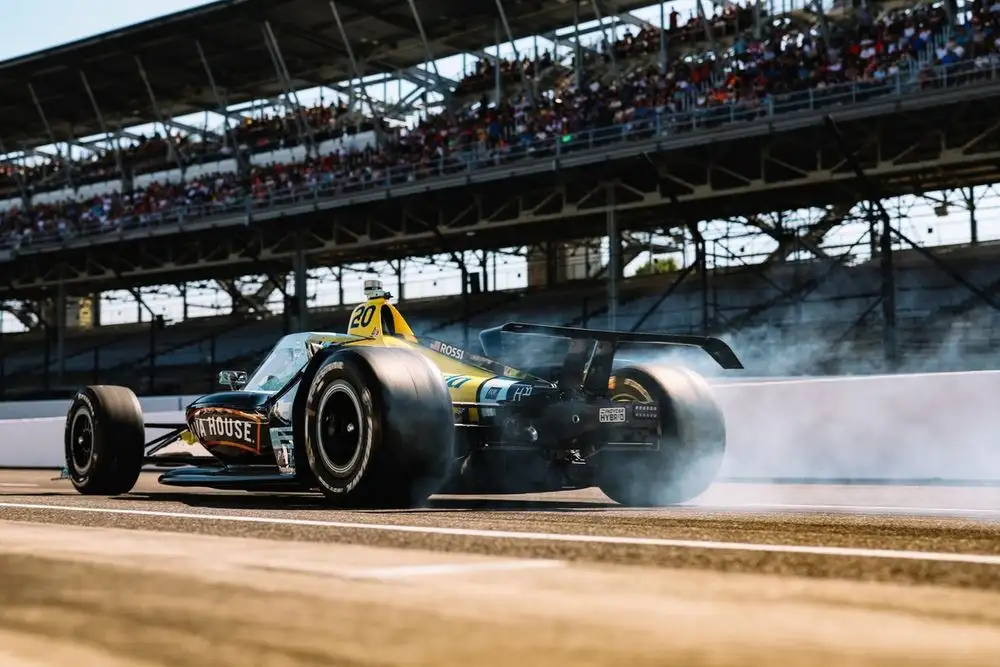
Alexander Rossi remains officially slated to compete in the 110th running of the Indianapolis 500 following surgical intervention for injuries to his left finger and right ankle. The Ed Carpenter Racing driver sustained these fractures during a practice session collision this past Monday, May 18. Despite the nature of the injuries—typically necessitating recovery periods exceeding a single week in conventional contexts—Rossi is cleared to attempt a return for final practice on Friday, May 22.
| Injury Location | Procedure Type | Intent |
|---|---|---|
| Left Finger | Outpatient Surgery | Compete May 24 |
| Right Ankle | Outpatient Surgery | Compete May 24 |
The Incident Mechanics
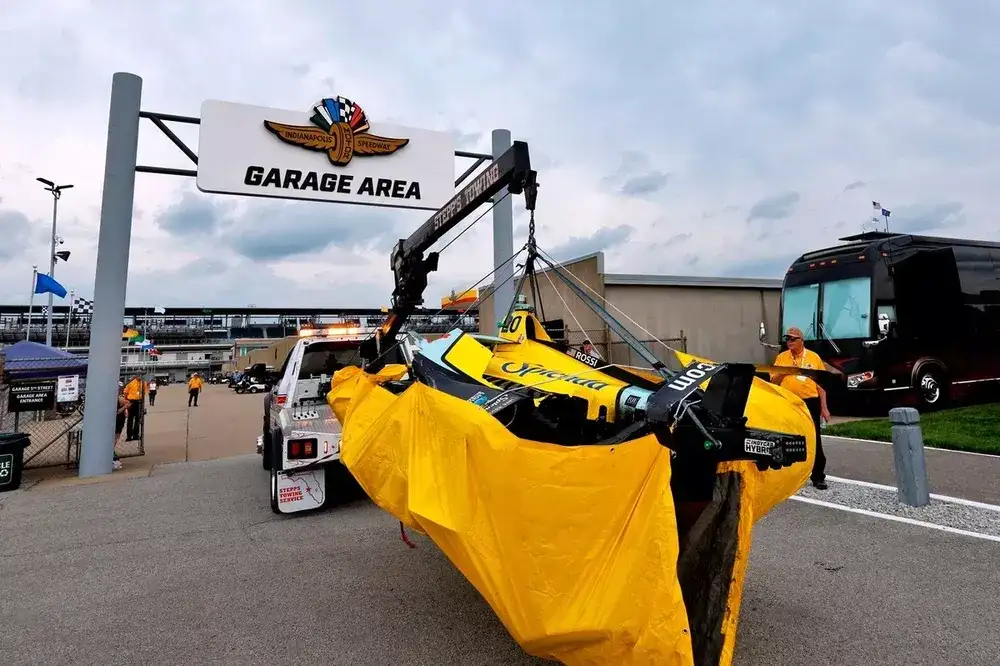
The wreck occurred as Rossi navigated the second turn of the 2.5-mile oval. The Indianapolis Motor Speedway layout—notorious for its high-speed demand on driver physiology—rendered the No. 20 Chevrolet a total loss after impact with the SAFER barrier.

The machine hit the exterior wall before dragging its rear along the concrete perimeter.
Romain Grosjean and Pato O'Ward were also linked to incidents during the same testing window, illustrating a broader volatility within the field.
The regulations governing the Indy 500 permit drivers to swap to backup chassis without forfeiting their established starting positions, a critical bureaucratic hedge that facilitates Rossi’s continued participation.
Tactical and Physiological Strain
The decision to proceed reflects a binary choice between career-critical momentum and immediate physical recuperation. In high-speed motorsport, the throttle foot and shifting hand represent the primary points of contact between the operator and the mechanical load.
Read More: FIFA World Cup 2026 Revenue Reaches $15 Billion With New Ticket Prices
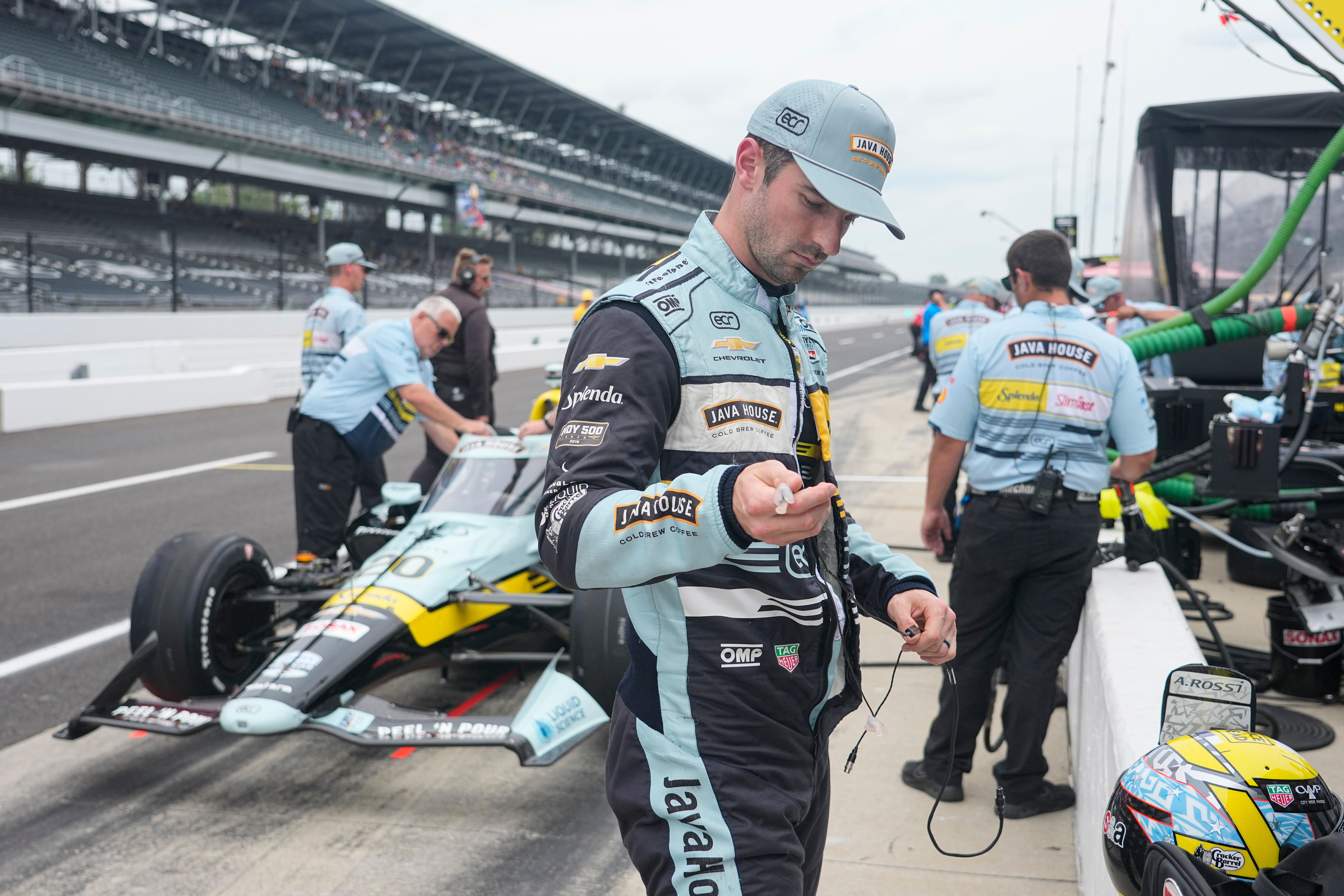
Nuance in the paddock suggests the following signal:The medical clearance provided to Rossi serves as a functional threshold rather than an indicator of full recovery. The disparity between typical orthopedic recovery timelines and the urgency of the May racing schedule underscores the friction between the biological limitations of the pilot and the industrial requirement to field a machine for the Sunday race.
Contextual Background
The Indianapolis 500 remains a singular event in the racing calendar where speed-induced risk is institutionalized. Monday’s incident—part of the preparations for the event now scheduled for May 24—highlights the recurring instability drivers face when testing the physical limits of a 200mph machine. With Alex Palou holding pole position, the focus shifts toward whether Rossi’s physical condition will alter his capability to manage the car’s feedback loop under race-pace duration.
Read More: Kyle Busch Remembered at Indy 500 After Sudden Death